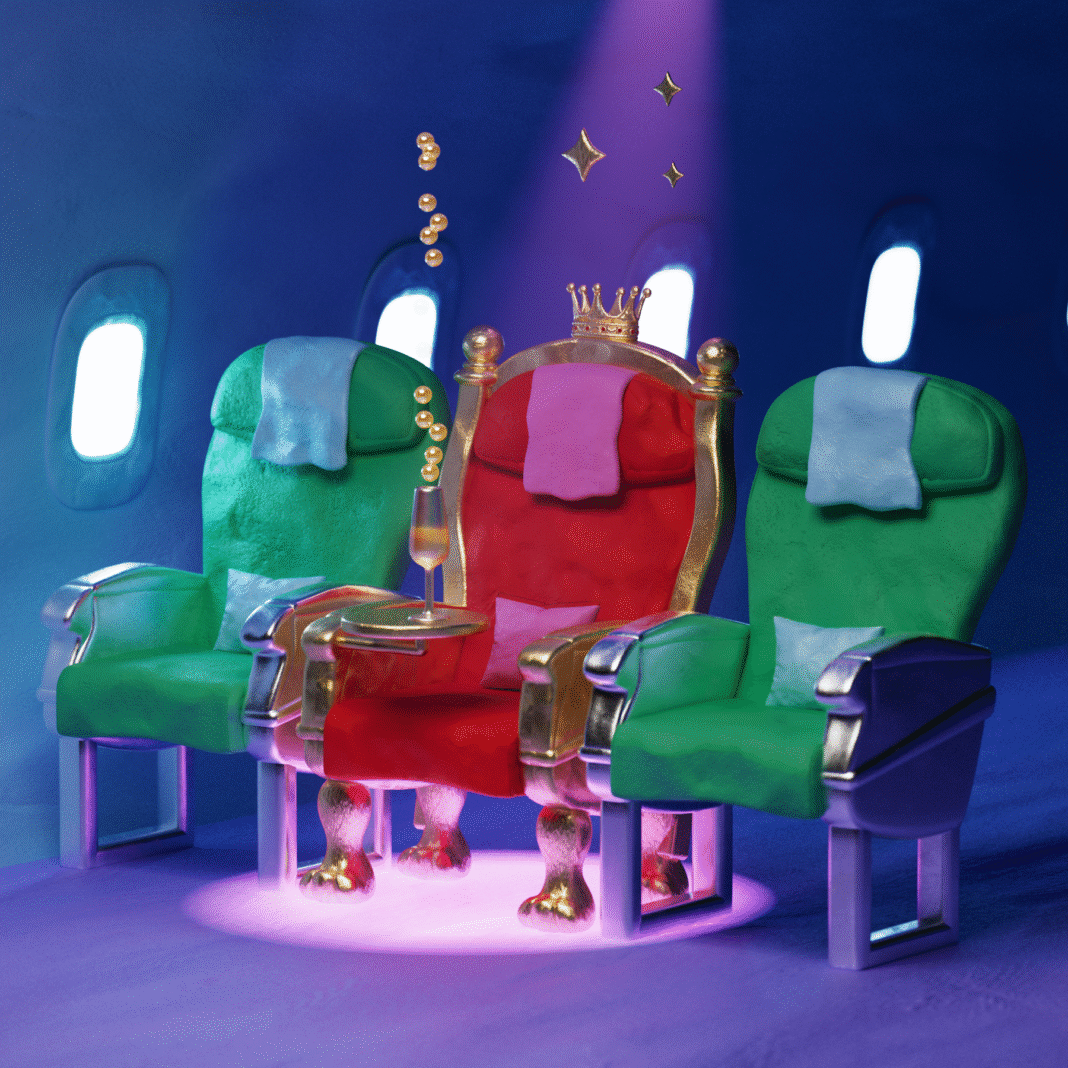
First-class cabins were once filled with complimentary upgrades. Airlines routinely gave away their best seats to frequent fliers or as operational gestures. This practice treated premium space as a cost of doing business rather than a core revenue source.
A strategic shift began as carriers sought new profit streams. They started analyzing vast amounts of passenger data and booking patterns. This allowed them to predict which travelers might pay for a superior experience.
Sophisticated pricing and revenue management systems became key tools. Airlines now dynamically price first-class tickets separately from economy fares. The goal is to maximize revenue from every seat on every flight.
The upgrade process itself was transformed. Instead of freebies, airlines created paid upgrade auctions and last-minute offers. Passengers now bid or pay set fees to move to the front of the plane, often through airline apps.
Loyalty programs also evolved to support this model. Earning top-tier status became more difficult, making complimentary upgrades rarer. Miles can still be used, but often require substantial additional co-payments.
This focus on premium cabin sales has significantly boosted airline finances. First and business class seats now generate a disproportionate share of revenue. They often subsidize the lower margins found in economy cabins.
The transformation is largely complete across the global industry. What was once a generous perk is now a carefully managed profit center. The front of the plane is firmly positioned as a premium product for purchase.