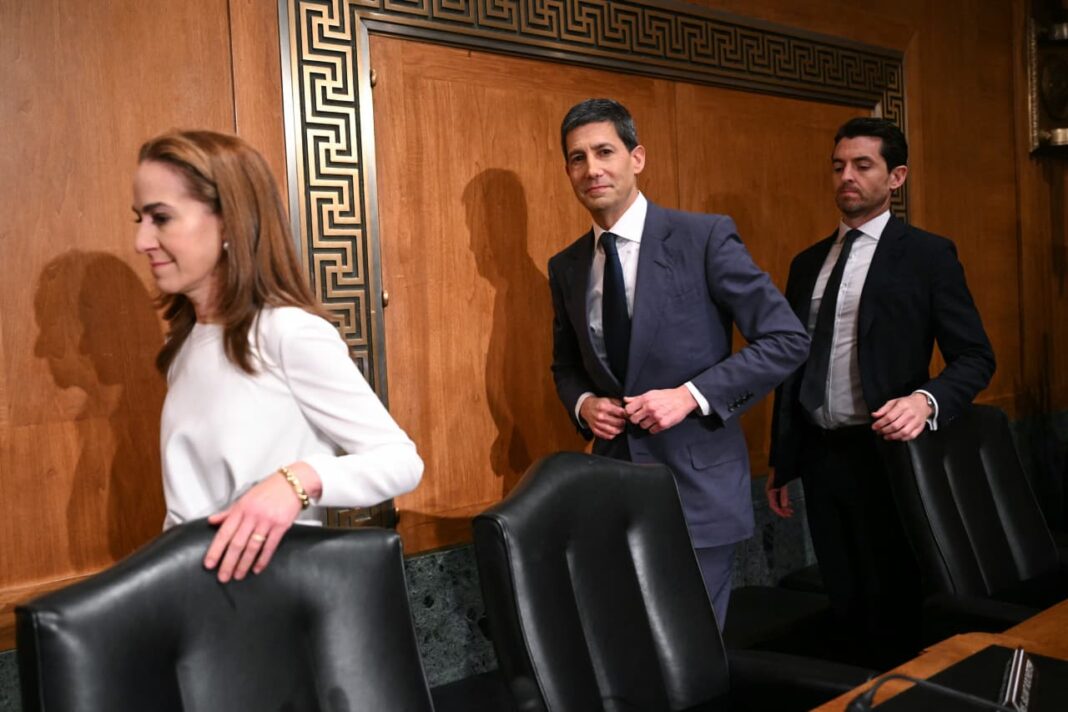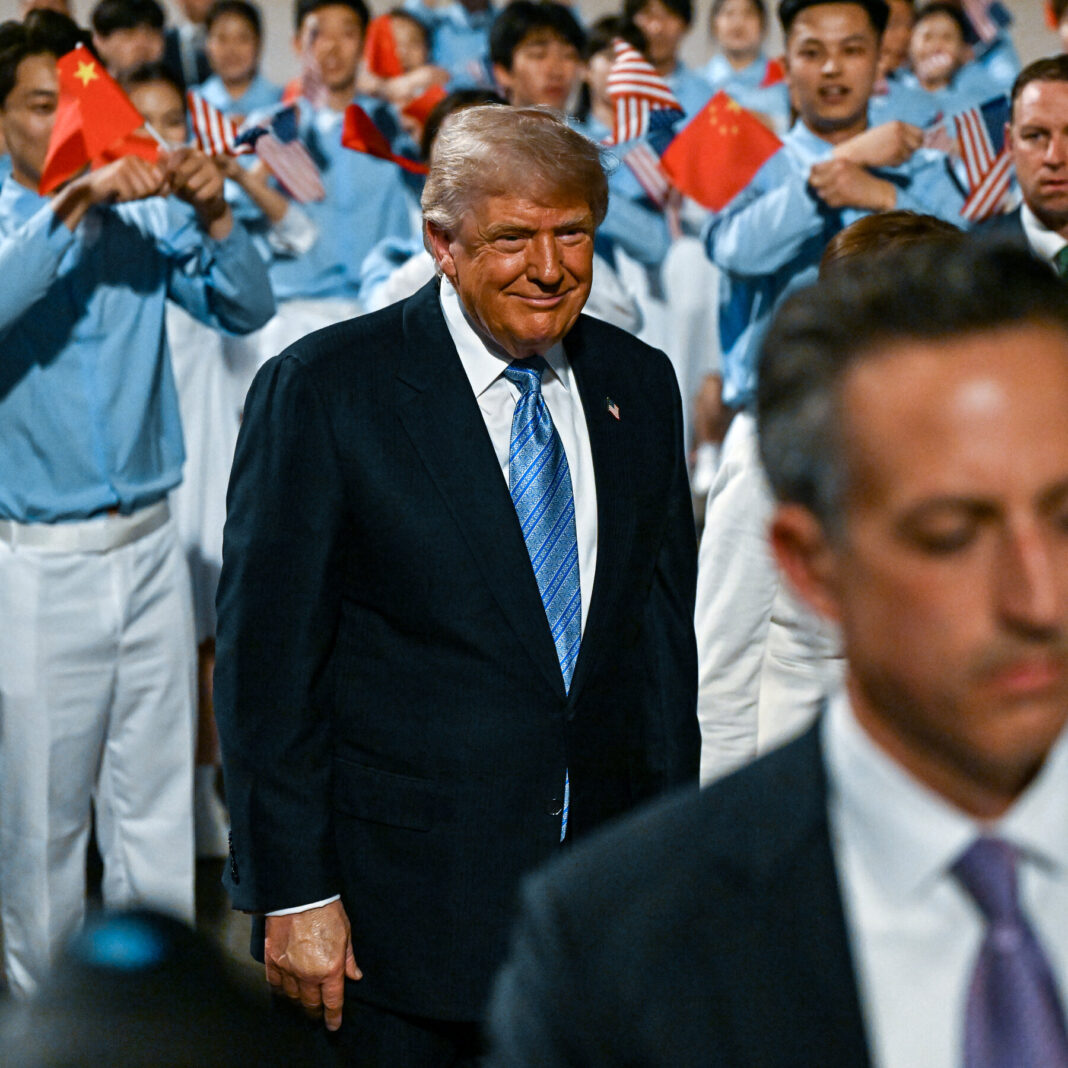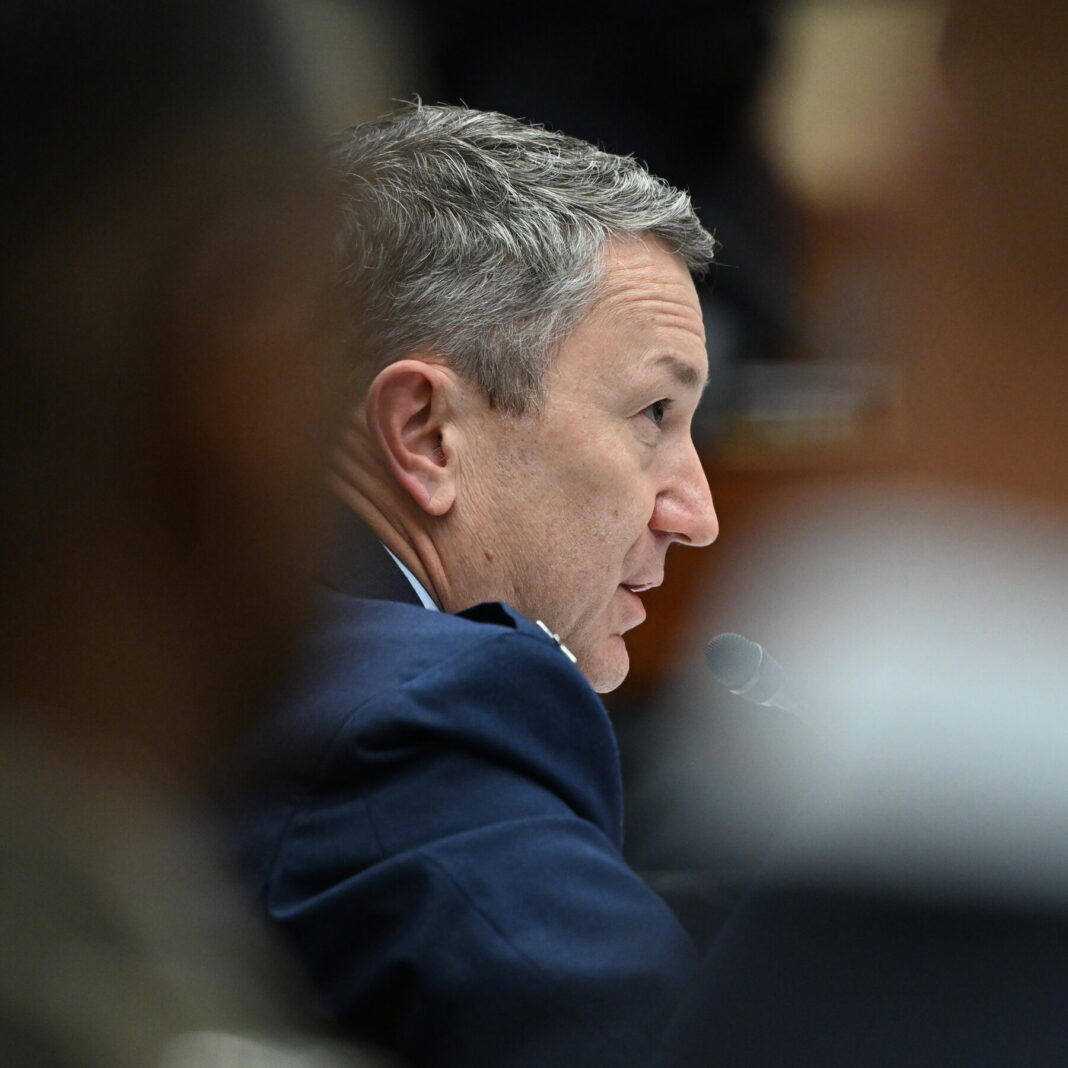
Gen. Caine, the nation’s top military adviser, has remained largely silent on the strategic direction of the Iran war. This lack of public commentary has left many questioning the underlying military plans.
The general is currently navigating a precarious position leading armed forces through a conflict that is both divisive and widely unpopular. His reticence contrasts sharply with the vocal debates among other senior officials.
Observers note that the absence of clear strategic communication from the top military adviser risks creating confusion. Troops and allies alike are seeking clarity on long-term objectives.
The administration faces mounting pressure to define success in the campaign. Without explicit guidance from Gen. Caine, speculation about troop deployments and exit strategies continues to grow.
Critics argue that the silence may stem from internal divisions within the Pentagon. Some suggest the general is attempting to avoid inflaming political tensions.
Proponents, however, view the quiet approach as disciplined and deliberate. They believe it prevents strategic leaks that could aid adversaries on the battlefield.
The war’s unpopularity further complicates the military’s ability to maintain public support. Gen. Caine’s next public appearance is now highly anticipated for potential insight.
The broader question remains whether this strategic silence will ultimately serve operational security. Or if it will deepen uncertainty among the ranks and the American public.