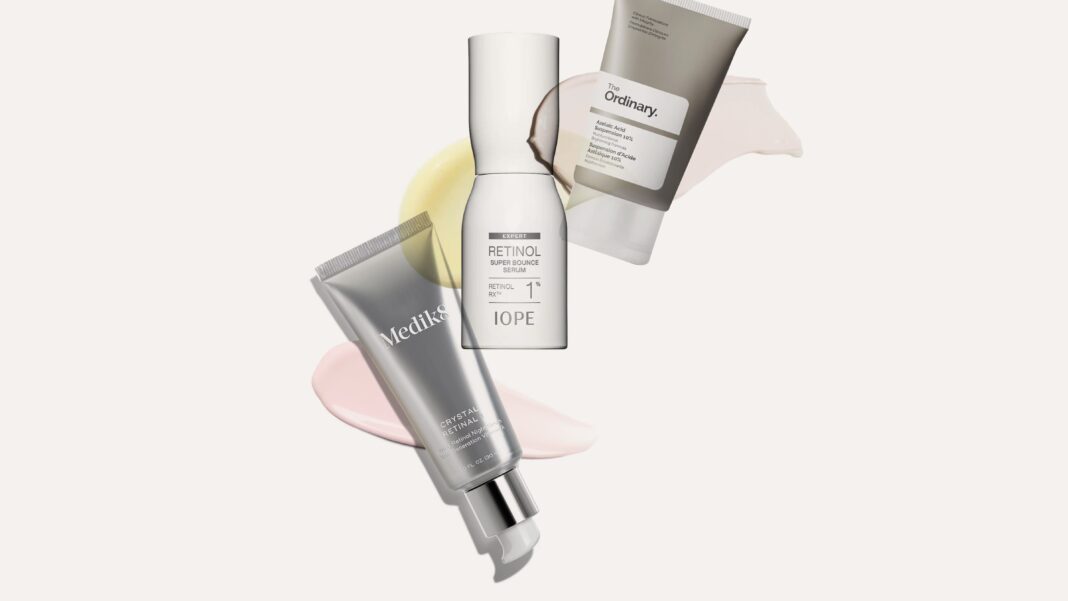
For those seeking gentler options, several effective alternatives to prescription tretinoin exist. These products can address common skin concerns like acne and fine lines. They often provide results with a lower risk of irritation.
Bakuchiol is a popular plant-derived ingredient. It mimics some benefits of retinol without causing sensitivity. This makes it suitable for reactive or delicate skin types.
Niacinamide, or vitamin B3, is a versatile and calming alternative. It helps regulate oil production and improves skin texture. It also strengthens the skin’s barrier function over time.
Retinyl esters, such as retinyl palmitate, offer a mild approach. They convert to retinoic acid slowly within the skin. This gradual process minimizes potential redness and peeling.
Adapalene gel is available over-the-counter in many regions. It is a retinoid specifically formulated for acne treatment. It tends to be less irritating than tretinoin for many users.
Azelaic acid is excellent for addressing both acne and discoloration. It reduces inflammation and helps fade post-acne marks. Its gentle nature suits sensitive, redness-prone skin.
Peptide complexes support collagen production to combat fine lines. They work by signaling the skin to repair and renew itself. These ingredients are typically very well-tolerated.
Glycolic acid and other AHAs provide surface-level renewal. They exfoliate to improve radiance and smooth texture. Consistent use can yield a more even complexion.
Vitamin C is a powerful antioxidant that brightens the skin. It helps fade dark spots and protects against environmental damage. It pairs well with many other gentle actives.
Choosing the right alternative depends on individual skin goals and tolerance. A consistent, gentle routine often delivers the best long-term results. Consulting a dermatologist can provide personalized guidance.