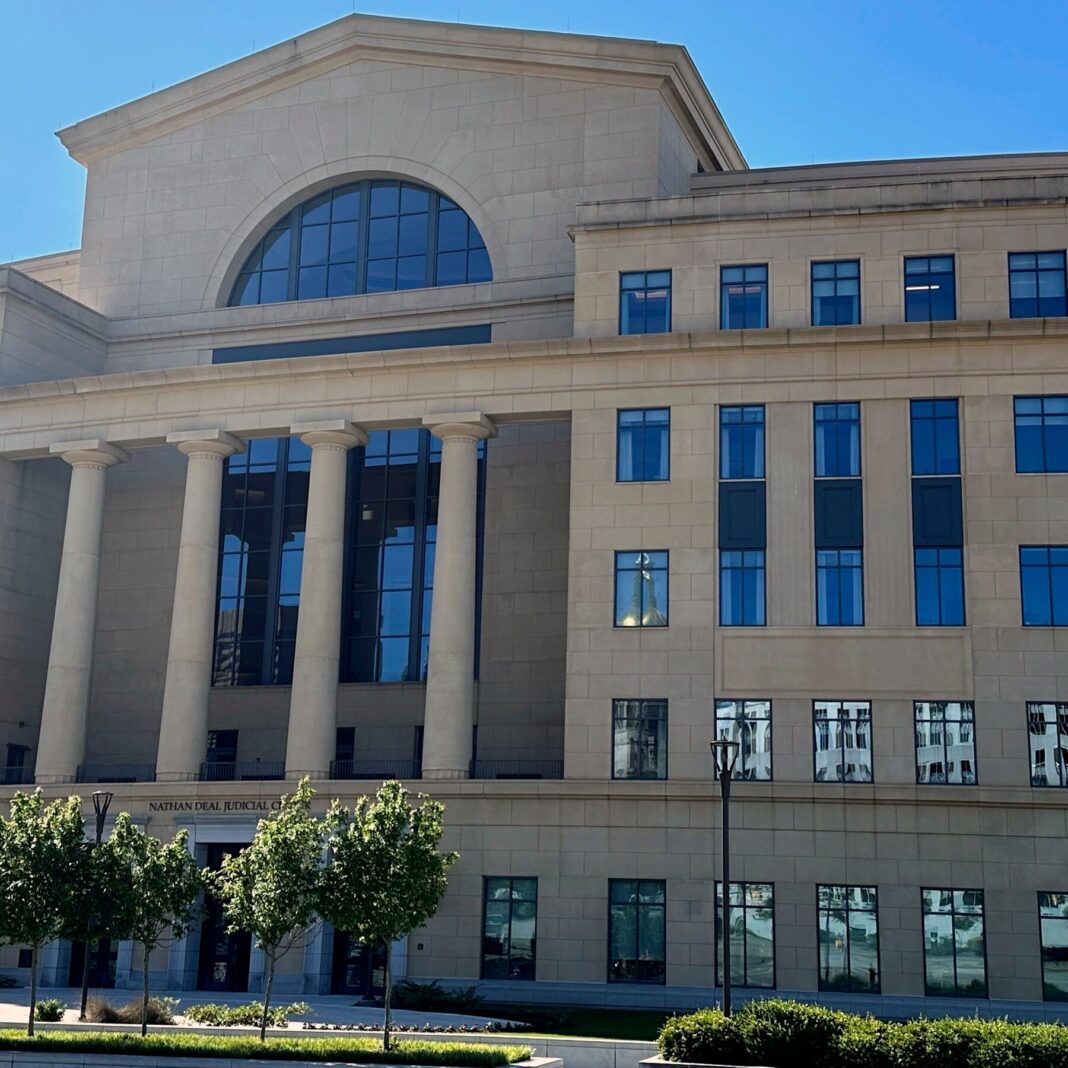
Georgia Supreme Court Justices Fend Off Left-Leaning Challengers
Republican-appointed incumbents on the Georgia Supreme Court defeated well-funded opponents in the state’s nonpartisan judicial elections. The challengers had attempted to inject issues like abortion rights into the races. Voters ultimately chose to retain the sitting justices.
The outcome preserves a conservative-leaning majority on the state’s highest court. The incumbents ran on a platform of judicial restraint and adherence to the law. They avoided direct engagement with political debates during their campaigns.
The challengers, backed by significant out-of-state funding, emphasized the role of the court in shaping social policy. They argued for expanding protections beyond what current law provides. This strategy failed to gain traction with a majority of voters.
Abortion access became a central theme in the race, following the U.S. Supreme Court’s decision overturning Roe v. Wade. Georgia’s strict abortion law remains in place, with the state court yet to rule on its constitutionality. The incumbents argued that the question should be settled through the legislative process.
Campaign finance reports showed the challengers outspending the incumbents by a wide margin. Much of that money came from liberal advocacy groups based outside Georgia. The incumbents relied on more traditional fundraising from local legal and business communities.
The results mirror a broader national trend of judicial elections becoming more partisan. Nonpartisan labels often mask the political alliances of candidates. Georgia’s election underscored how high-profile issues can reshape these races.
With the incumbents securing re-election, the court’s direction remains stable for now. The justices will continue to weigh cases on crime, property rights, and government authority. Their decisions will carry significant weight in a politically divided state.