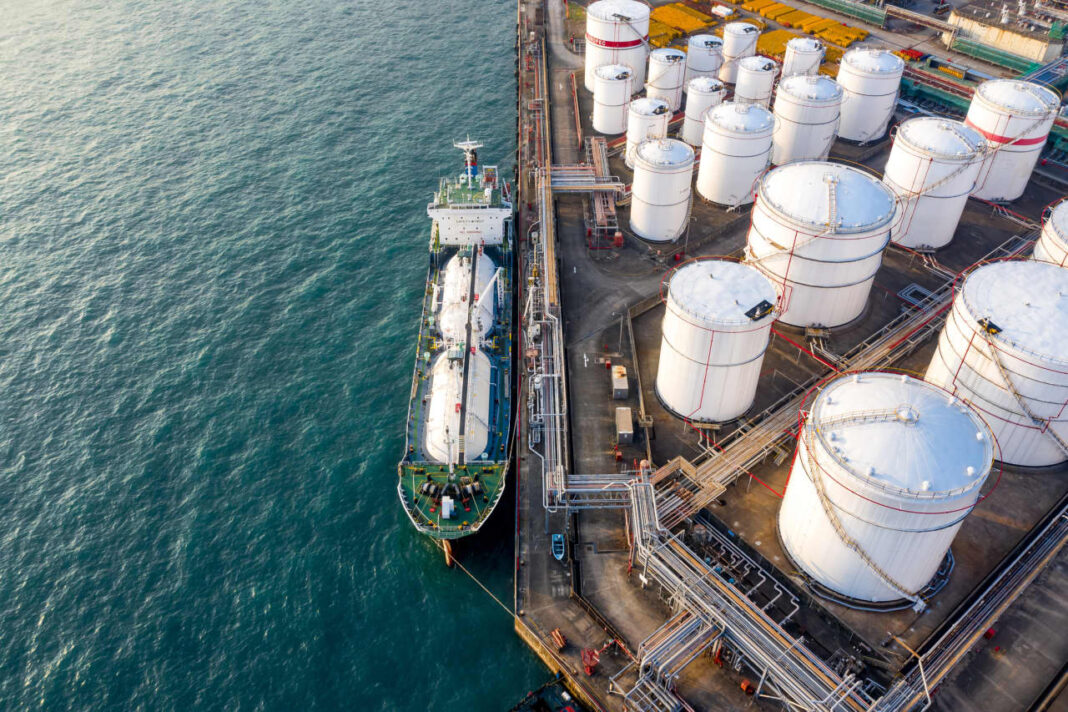
Global oil supplies are rising again. The world is expected to have more crude than it needs for the first time since the Iran war began in February. This marks a major shift in the energy market.
A crude oil glut does not guarantee cheaper diesel at the pump. The two products follow different market dynamics. Refining capacity and seasonal demand play major roles in setting diesel prices.
Crude oil is the raw material for diesel, but processing costs matter just as much. Refineries must convert crude into usable fuel, and that step adds significant expense. Limited refining capacity can keep diesel prices high even when crude is abundant.
Demand for diesel remains strong across trucking, agriculture, and construction. These sectors consume large volumes of fuel and are less sensitive to price changes. That steady demand supports diesel prices independent of crude supply.
Global refining margins have stayed elevated in recent months. Margins reflect the gap between crude costs and the price of finished fuels like diesel. When margins are high, consumers pay more even if crude gets cheaper.
Seasonal factors also influence diesel prices. Winter heating demand and harvest seasons can tighten supplies. These pressures often override the effect of a crude glut.
Traders watch inventory levels for both crude and refined products. Rising crude stocks do not always translate into rising diesel stocks. The two markets can move in opposite directions.
The takeaway for consumers is simple. More crude oil does not automatically mean lower diesel prices. Refining constraints and steady demand will likely keep diesel costs elevated for now.