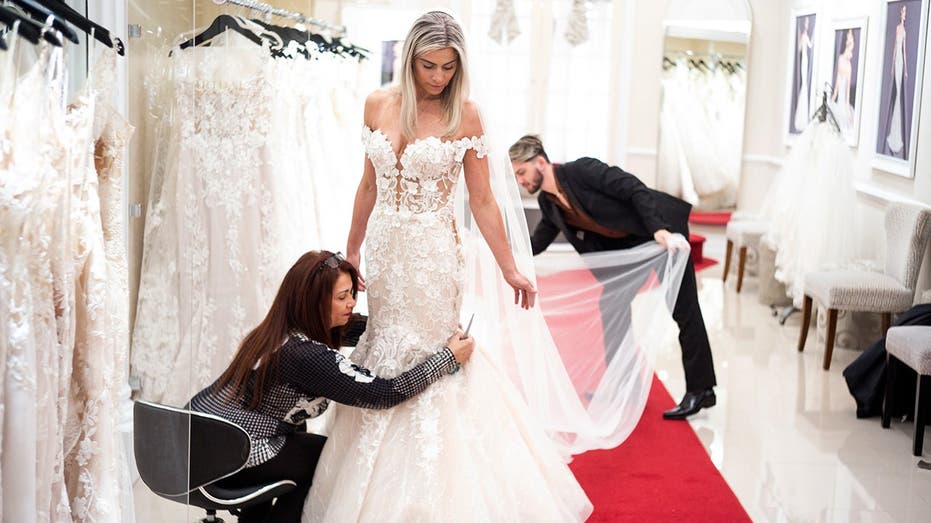
GLP-1 weight loss drugs are altering how bridal shops operate, leading to an increase in last-minute orders and new legal requirements. Brides using these medications often experience rapid weight changes, forcing stores to adapt quickly.
Many bridal boutiques now require customers to sign waivers. These documents address potential issues with alterations due to changing body sizes. The shift aims to protect stores from financial losses on rushed modifications.
Shops report a surge in rush orders for wedding dresses. Brides on GLP-1 drugs sometimes lose significant weight just weeks before their events. This creates tight deadlines for seamstresses to resize gowns.
The trend is reshaping inventory management. Retailers now stock more adjustable styles. They also advise customers to order smaller sizes to reduce future alterations.
Alterations departments face increased pressure. Workers must complete complex resizing in shorter timeframes. Some shops have added extra staff to manage the workload.
The waivers typically detail potential extra costs for multiple adjustments. They also clarify store policies on final sales. This helps manage expectations for brides undergoing rapid weight loss.
Industry experts note a broader impact on wedding timelines. Couples may need to schedule dress fittings closer to ceremony dates. This affects planning for photographers, venues, and other vendors.
The changes reflect a growing intersection between healthcare and consumer retail. As GLP-1 drugs become more common, more industries may see similar operational shifts.