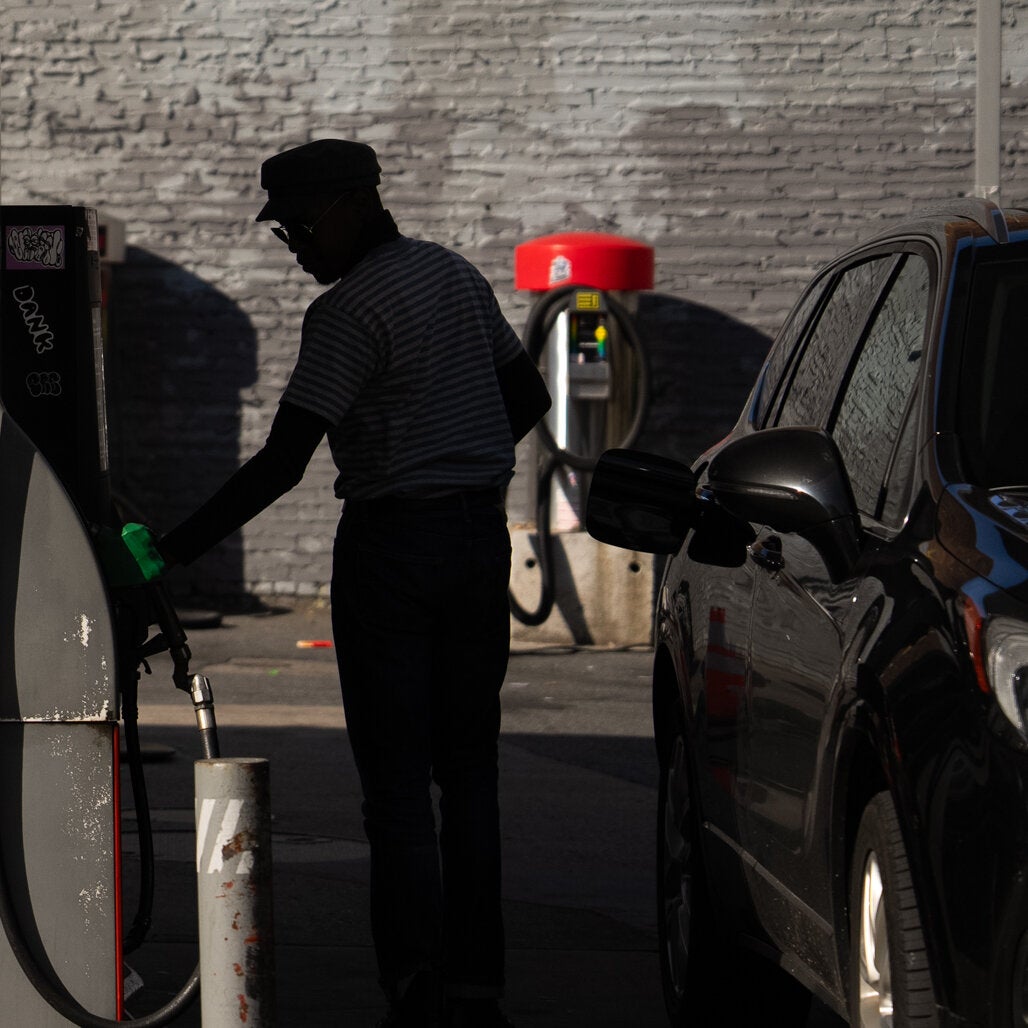
Rising gas prices tied to the 2026 energy shock are pushing drivers to rethink daily habits. Many commuters now face hard choices about how often they get behind the wheel.
Some drivers report cutting back on unnecessary trips and combining errands into single outings. Others have switched to carpooling with coworkers or neighbors to share fuel costs.
Household budgets are feeling the squeeze as fuel expenses climb. Families are weighing whether to trade larger vehicles for more fuel-efficient models.
Public transit ridership has grown in some regions as drivers seek cheaper alternatives. Bike and walking commutes are also gaining traction for shorter distances.
Remote work arrangements remain a factor for those able to avoid the daily drive. Employers report more requests for flexible schedules as workers look to save on fuel.
Drivers are sharing tips on stretching each tank further, from gentler acceleration to proper tire maintenance. Small changes behind the wheel can add up over time.
The energy shock has also sparked broader debate about fuel dependence and long-term transportation choices. Consumers want practical solutions that fit real-world budgets.
Readers are invited to share how higher prices have reshaped their driving routines. Personal stories help illustrate the wider impact of the ongoing energy crunch.