Heating costs are expected to rise about 7% on average this winter, according to federal energy forecasts. The increase reflects tighter fuel supplies and higher global energy prices. Households across the country will feel the impact in different ways.
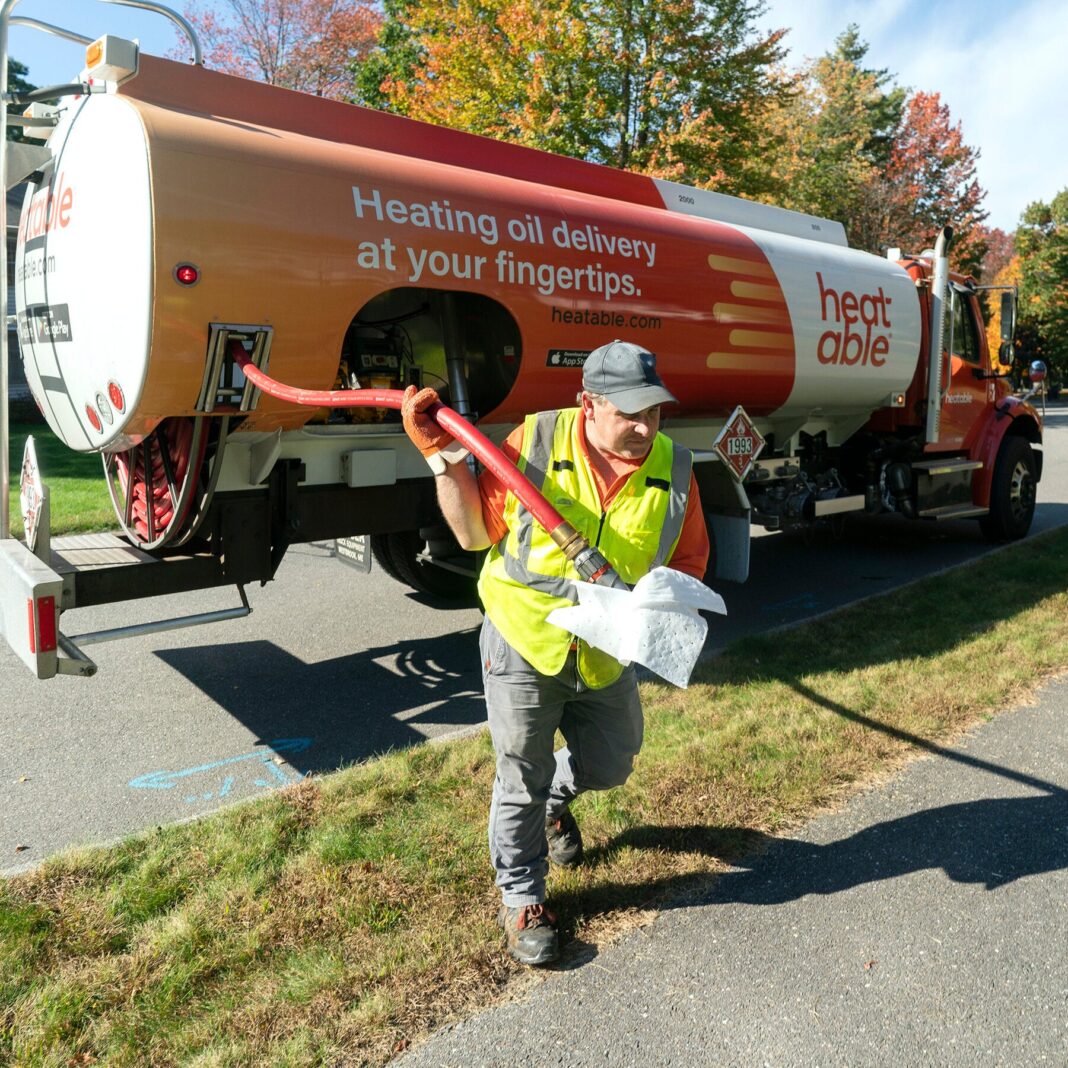
Heating oil users face the steepest increase, with prices up roughly 70%. The war in Iran has sharply reduced the global supply of that fuel. Those who rely on oil heat should prepare for significantly higher bills.
Natural gas users will see more modest increases. Supply remains relatively stable compared with oil markets. Still, any rise adds pressure to winter budgets.
Electricity costs are also expected to climb in many regions. Higher fuel prices for power plants drive the increase. Ratepayers should check local utility forecasts for specifics.
The 7% average masks wide variation by fuel type and region. Oil-dependent areas will experience the sharpest jumps. Regulators warn that low-income households are most at risk.
Experts advise homeowners to act before cold weather arrives. Simple steps include sealing drafts, tuning furnaces, and setting programmable thermostats. Budget billing plans can spread costs over the year.
Federal heating assistance programs remain available for eligible households. Applications typically open in early winter. Applicants should apply early, as funding is limited.