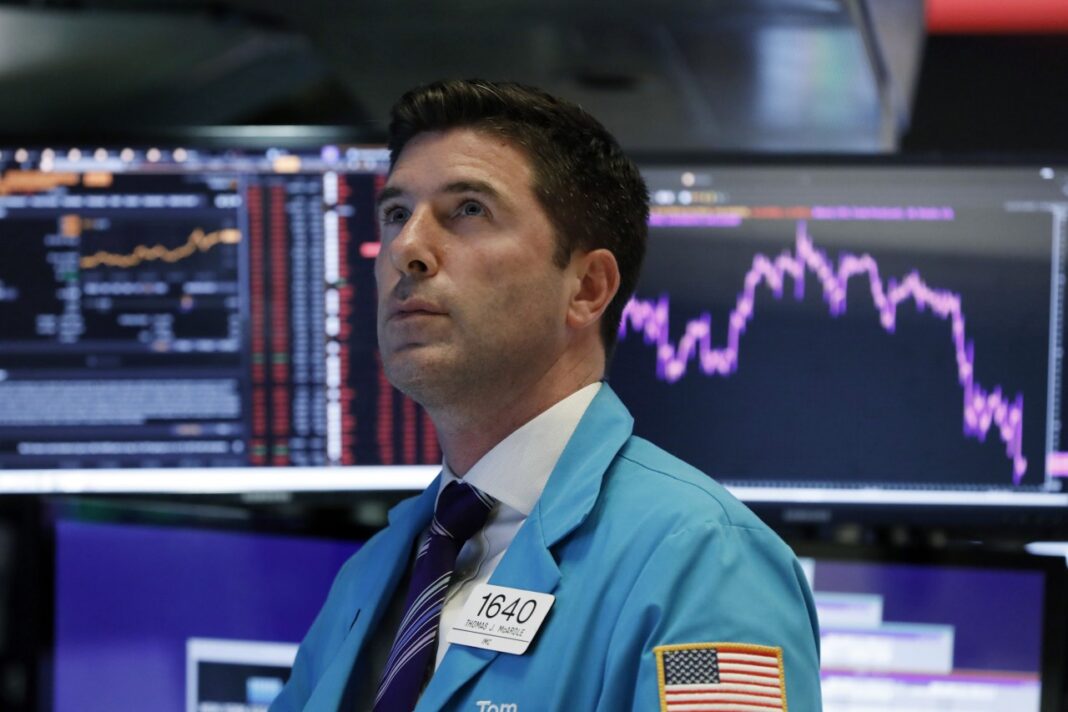
Bank of America analysts warn that a Democratic sweep in the midterm elections could pressure stock prices. The bank’s chief equity strategist, Michael Hartnett, cites a rising probability of Democrats winning both the House and Senate. This outcome would likely reduce investor appetite for risk.
Historical patterns suggest markets prefer divided government to prevent major policy shifts. A unified Democratic Congress could push through higher corporate taxes and stricter regulations. Such changes would directly affect corporate earnings and profit margins.
Bank of America does not provide a single precise forecast for the market decline. Instead, it frames the risk as “meaningful” based on current polling and betting odds. The exact drop would depend on the size of the Democratic majority and specific legislative proposals.
Investors often sell first and ask questions later when political uncertainty rises. Sectors like energy, pharmaceuticals, and financials could face the most immediate selling pressure. Technology and communication services might also be vulnerable to antitrust scrutiny.
Markets have historically weathered political shifts without long-term damage. However, the speed and scope of any selloff would depend on how aggressively new laws are pursued. A narrow Democratic majority would likely limit the most extreme policy changes.
Retail investors should focus on their time horizon rather than short-term election noise. Long-term portfolios typically recover from political selloffs within months, not years. Panic selling during election cycles often locks in losses that would otherwise reverse.
Bank of America’s note is a risk assessment, not a prediction of certain doom. It reminds investors that political outcomes can trigger volatility, especially when one party gains unified control. Monitoring polling averages and prediction markets can help gauge the changing odds.