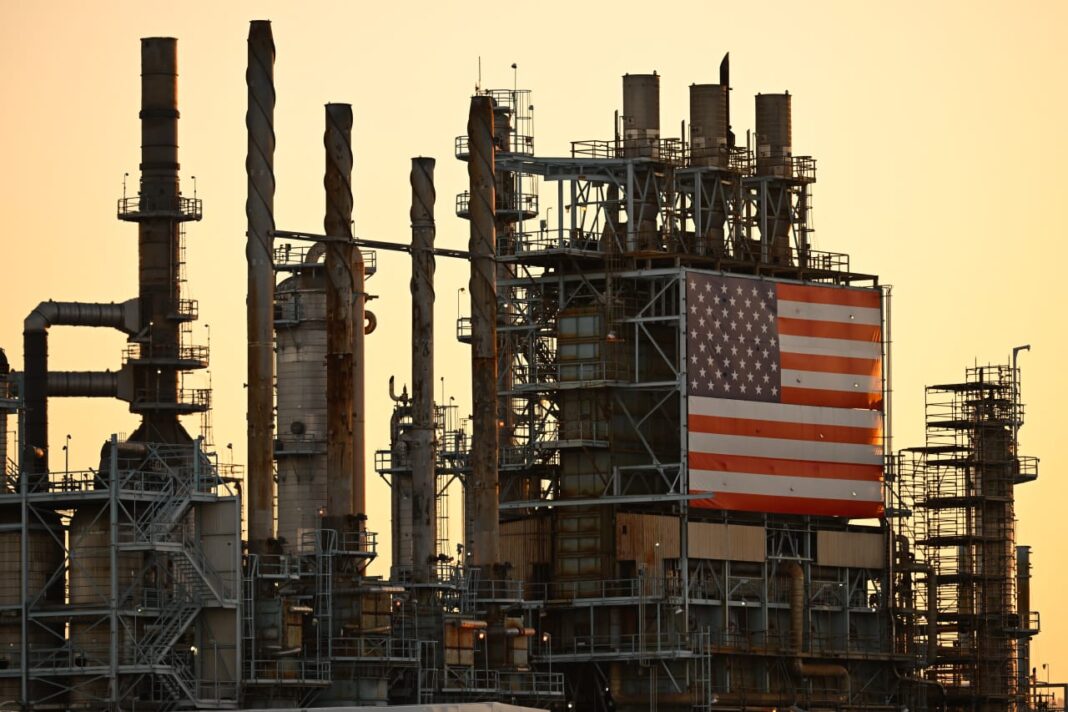
A ban on U.S. diesel exports could raise domestic retail gasoline prices by about 30 cents per gallon. Goldman Sachs strategists outlined this estimate in a recent analysis. The projection reflects how export limits would reshape fuel flows.
The bank examined potential restrictions as Washington weighs options to curb fuel costs. Diesel exports have become a focus amid tight global supplies. Any policy change would affect both U.S. and international markets.
Goldman’s team estimates the price impact at $0.30 per gallon for domestic retail gasoline. That figure assumes the ban diverts exported diesel back into domestic inventories. Higher supply at home would normally ease prices, but the bank sees the opposite effect.
The counterintuitive outcome stems from diesel’s role in the global market. U.S. exports help balance worldwide refining capacity and demand. Removing that supply would tighten international markets and raise U.S. benchmark prices.
Retail gasoline prices track diesel and crude oil benchmarks closely. A diesel export ban could push up those benchmarks even as domestic diesel stocks rise. Gasoline consumers would then face higher pump prices.
The analysis also considers potential retaliation from trading partners. Restricting exports could prompt other nations to limit their own fuel shipments. Such moves would amplify price swings across energy markets.
Goldman’s note does not predict whether a ban will occur. It instead models one possible outcome if policymakers pursue the measure. The 30-cent estimate remains a key data point in the debate.