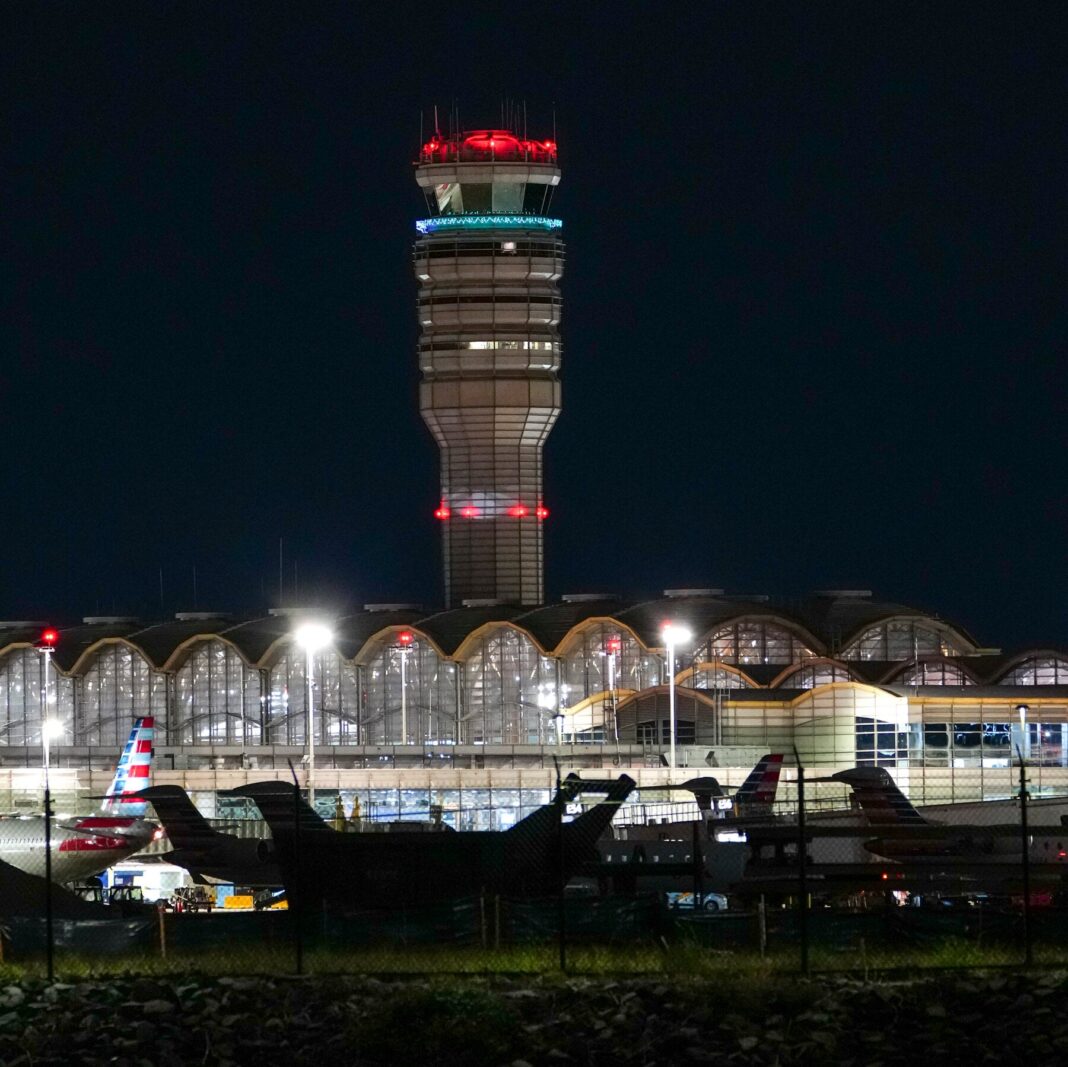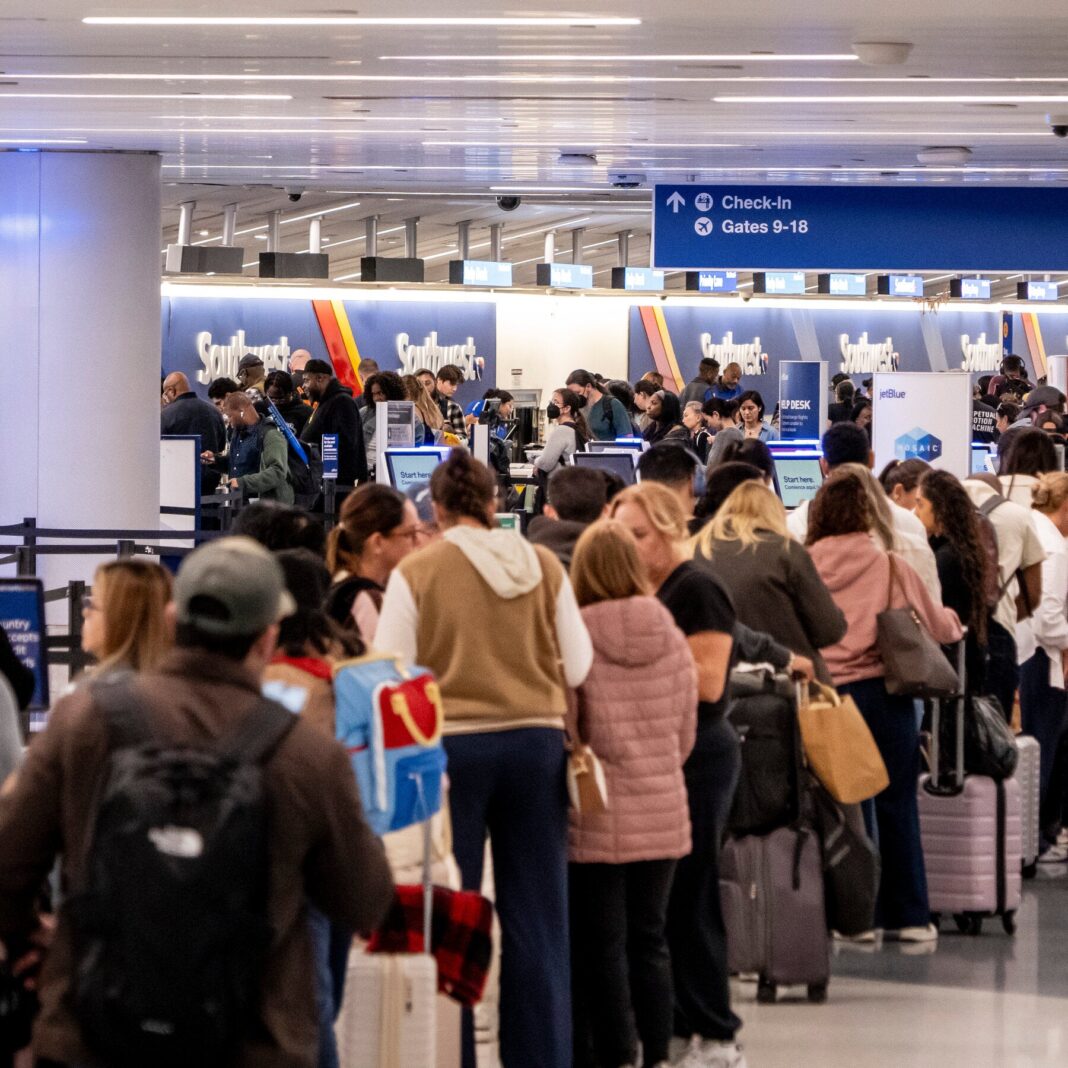
A nationwide ground stop halted most U.S. flights on Friday. Yet dozens of international flights still departed from American airports. Several West Coast planes also left for Hawaii during the order.
The exemptions were not random. Federal officials applied specific criteria when clearing flights to leave. Those rules allowed certain long-haul and international routes to proceed.
Flights already cleared for oceanic airspace received priority. These aircraft operate under separate tracking and communication systems. Controllers can manage them without straining ground resources.
International departures also faced less disruption because of crew and slot rules. Foreign carriers must meet strict timing windows at overseas airports. Delays risk heavy penalties and lost landing rights.
Hawaii-bound flights from the West Coast qualified under a separate provision. Their long overwater routes require dedicated tracking. The arrangement kept those corridors open while domestic traffic remained parked.
Airlines worked with the FAA to identify eligible flights before departure. Carriers submitted requests that detailed route, crew status, and airspace needs. Approval came only when the ground stop could still be maintained elsewhere.
The exceptions did not signal a broader reopening. Most domestic flights stayed grounded through the order. Officials stressed that safety remained the deciding factor in every case.