A powerful El Niño weather pattern is developing this year. Scientists warn it could sharply increase global hunger. The phenomenon disrupts rainfall across entire regions.
Some areas will receive excessive rain and flooding. Others will face severe drought and crop failure. Both extremes damage food production.
Wars and reductions in foreign aid have already strained food systems. El Niño adds another layer of pressure. Vulnerable countries are least able to absorb the shock.
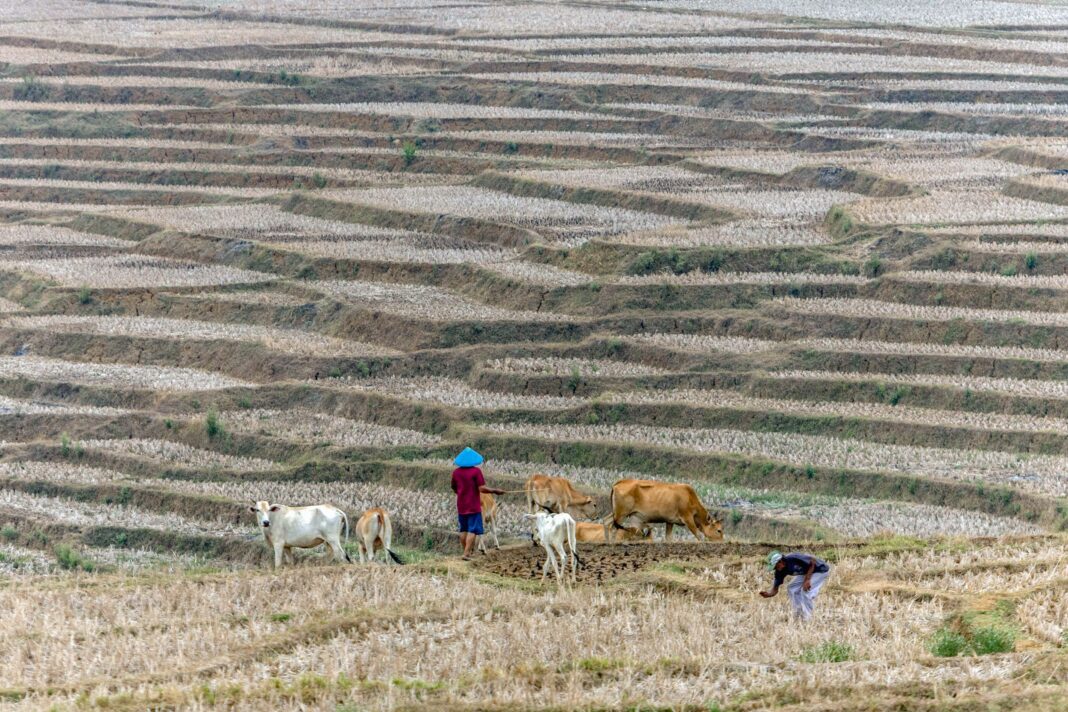
Farmers in drought-hit regions may lose entire harvests. Flooding can destroy stored grain and livestock. Food prices are likely to rise as supplies shrink.
International aid agencies are preparing for higher demand. Resources are already stretched thin. A simultaneous crisis across multiple regions could overwhelm relief efforts.
Early warning systems help governments plan ahead. But many affected countries lack the funding to act quickly. Delayed response turns weather shocks into prolonged hunger crises.
Experts urge investment in climate-resilient crops and irrigation. Long-term planning matters as much as emergency aid. Without it, future El Niño events will repeat the same damage.