Perimenopause brings a sharp drop in estrogen levels. Estrogen helps skin retain moisture and produce oil. The result is persistent dryness that standard lotions may not fix.
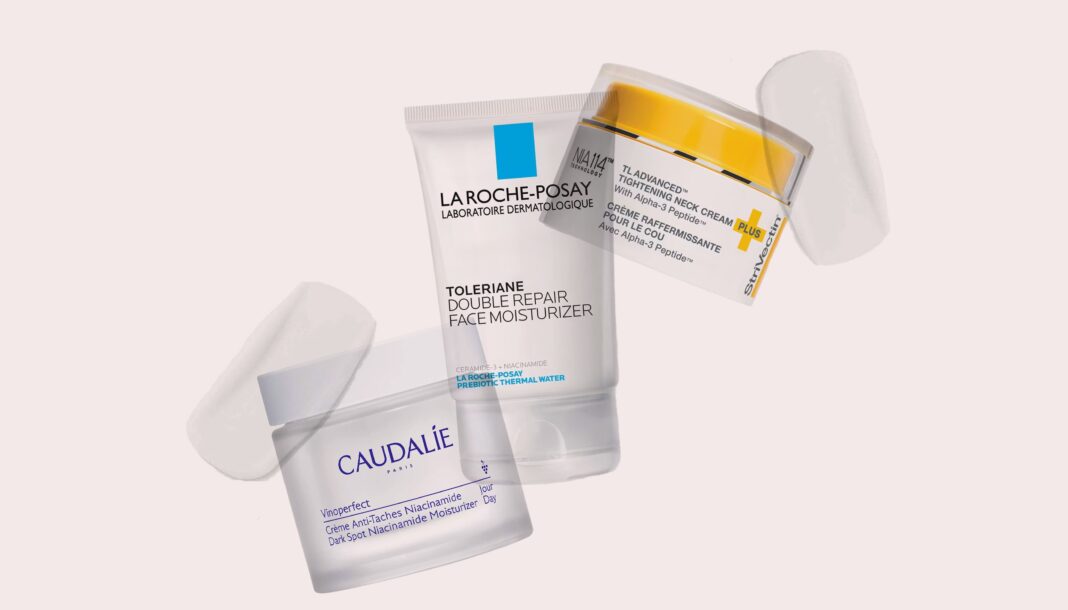
Dermatologists recommend switching to richer moisturizers during this stage. Products with ceramides and hyaluronic acid help rebuild the skin barrier. Glycerin draws water into the skin without clogging pores.
Look for creams rather than lightweight lotions. A thicker texture signals higher oil content and longer hydration. Ointments work best for very dry or cracked skin.
Fragrance-free formulas reduce irritation risk. Perimenopausal skin often becomes more sensitive to additives. Check labels for alcohol and essential oils that can sting.
Apply moisturizer within three minutes after showering. This traps water before it evaporates from the skin. Use lukewarm water instead of hot, which strips natural oils.
A humidifier adds moisture to indoor air during winter months. It can reduce overnight water loss from the skin. Keep indoor humidity between 40 and 50 percent for best results.
Gentle cleansing matters more than ever. Foaming washes and exfoliating scrubs can worsen dryness. Choose a creamy, non-foaming cleanser twice daily.
See a dermatologist if dryness persists despite these steps. Prescription creams with estrogen or retinoids may help. Persistent cracking or bleeding needs professional evaluation.