How to Get the Dimensional Hair Color You Actually Want
Choosing the right highlights requires more than just picking a shade. Colorists explain that understanding the difference between techniques is the first step. Not every lightened strand is balayage, and knowing the distinction saves time and money.
Traditional foil highlights offer precise placement and predictable lift. This method works well for clients wanting dramatic brightness or covering gray hair. Foils create defined, uniform sections of color from root to tip.
Balayage uses a freehand painting technique for a softer, more natural look. The color is concentrated on the mid-lengths and ends. This approach mimics how the sun naturally lightens hair over time.
Babylights are ultra-fine highlights that blend seamlessly with the base color. They require more time and patience but deliver a subtle, sun-kissed effect. This option suits clients seeking low-maintenance regrowth.
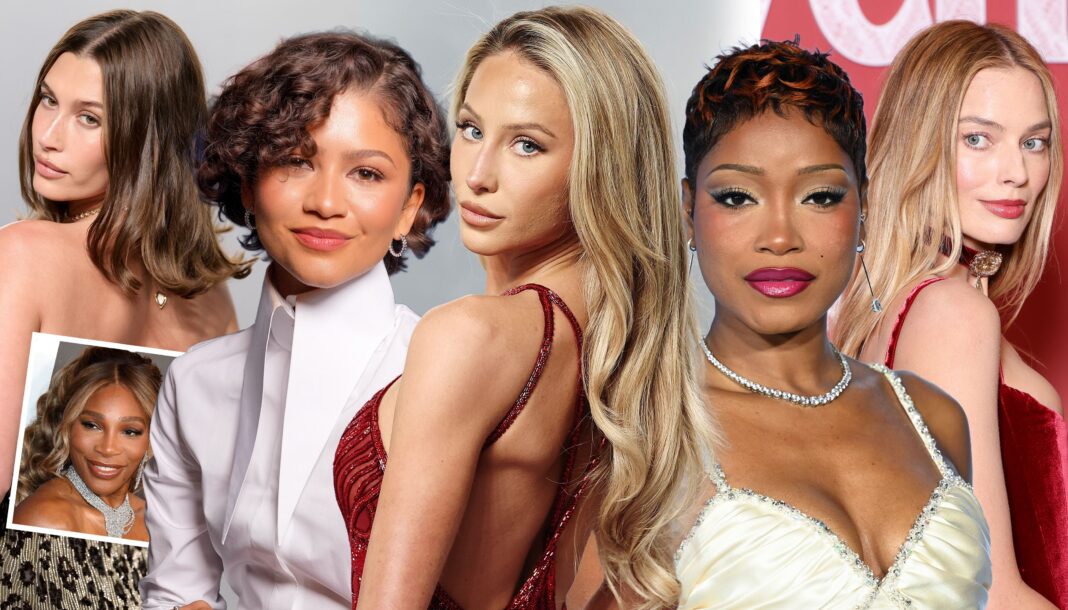
The key to successful highlights lies in the consultation. Bring reference photos that match your skin tone and natural base color. A professional will recommend a technique based on your hair texture and desired outcome.
Maintenance varies by method. Foil highlights typically need touch-ups every six to eight weeks. Balayage and babylights can last up to four months before requiring a refresh.
Professional colorists often combine techniques for customized results. A stylist might use balayage for softness and a few foils for brightness around the face. This hybrid approach provides both dimension and impact.