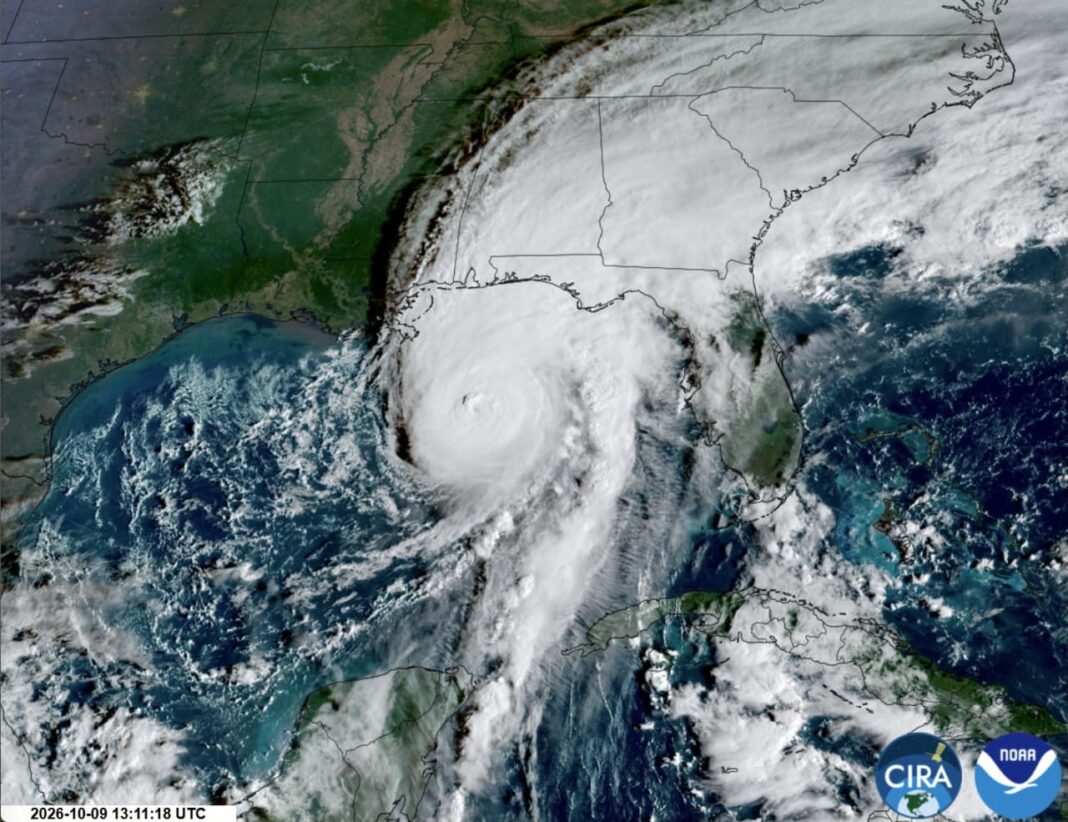
Hurricane Isaias is moving toward the U.S. East Coast and could disrupt oil and fuel supplies. The storm arrives as energy markets already face tight inventories. Analysts say this combination makes the situation unusual.
The Atlantic hurricane season often causes brief supply interruptions. Most storms pass without lasting damage to refineries or pipelines. This year may not follow that pattern.
Fuel stockpiles are lower than normal after months of weak refining activity. Demand has been uneven as the economy recovers from pandemic shutdowns. Any storm-related outage could strain available supplies.
Isaias is expected to track near Florida and up the eastern seaboard. Offshore platforms and coastal refineries lie in its potential path. Operators have begun precautionary shutdowns.
Ports along the route may close temporarily, halting tanker traffic. Pipeline flows could also slow if power outages occur. Such disruptions would affect gasoline, diesel, and jet fuel deliveries.
Traders are watching the storm closely for signs of prolonged damage. A quick pass would likely cause only minor price moves. A direct hit on refining hubs would have a larger impact.
The market has little spare capacity to absorb shocks right now. Inventory builds from earlier this year have been drawn down. That leaves fewer buffers against unexpected outages.
Refiners can sometimes restart operations within days after a storm. But repeated strikes or severe flooding can extend downtime. The current tight supply backdrop raises the stakes for any delay.
Weather forecasts suggest Isaias will weaken as it moves north. Still, heavy rain and wind can cause refinery outages far inland. The full extent of any damage will not be clear for days.