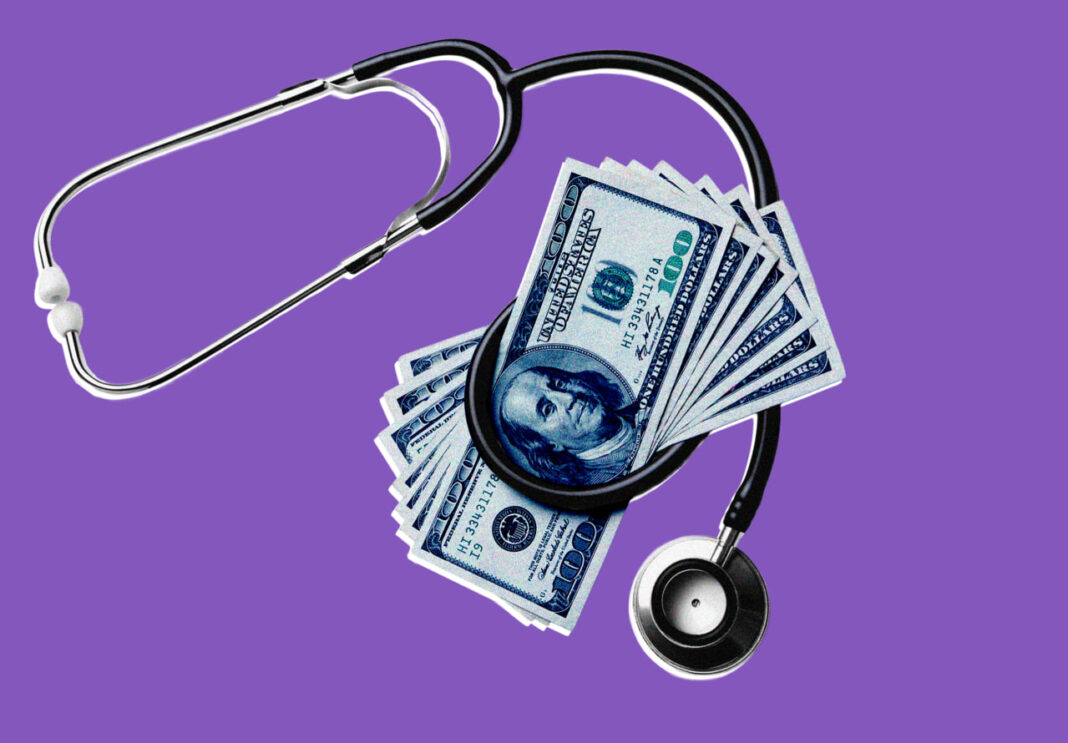
An unexpected $1,000 medical bill arrived in the mail. The patient chose not to pay it immediately. Many medical bills contain errors or inflated charges that can be challenged.
Experts recommend reviewing every medical bill carefully before sending a payment. Errors are common in billing codes, service dates, and itemized charges. One study found that up to 80 percent of medical bills contain mistakes.
The first step is to request an itemized bill from the provider. This breaks down every service, medication, and procedure. Compare it against the explanation of benefits from the insurance company.
Discrepancies often arise between what the insurer agreed to cover and what the provider charged. Contact the billing department to ask for clarification on any unfamiliar charges. Many hospitals will correct errors quickly when flagged.
Negotiation is also an option. Providers sometimes reduce bills for patients who pay in cash or set up a payment plan. Some debts can be settled for a lower amount than originally billed.
Patients should check if they qualify for financial assistance. Nonprofit hospitals are required to offer charity care programs. Income-based discounts are available at many facilities.
The Fair Debt Collection Practices Act provides protections for those who cannot pay immediately. Consumers have the right to dispute a bill in writing and request verification of the debt.
Waiting to pay a disputed bill does not automatically damage credit scores. Medical debts under $500 are not reported to credit bureaus under new rules. Larger amounts have a grace period before reporting begins.
Taking these steps can save hundreds or thousands of dollars. A delayed payment is better than paying an incorrect charge. Always verify before handing over money.