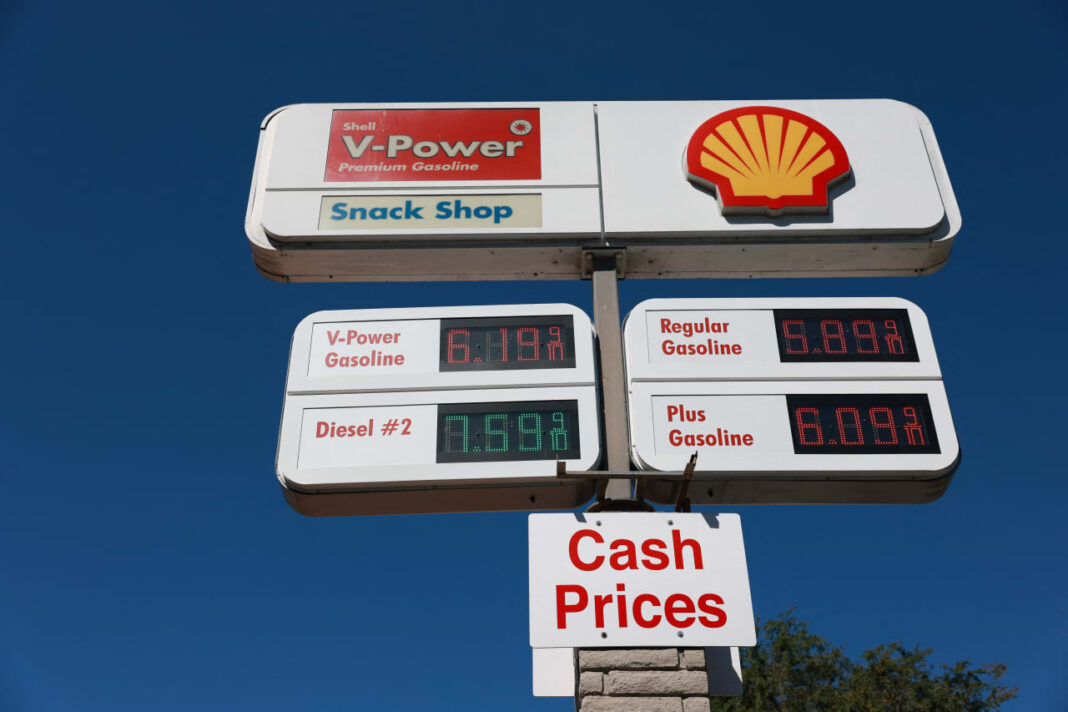
Recent developments in the Middle East are shifting economic forecasts. A cease-fire between Israel and Iran has eased immediate oil market tensions. This could begin to lower a key source of inflationary pressure.
Many economists warn that U.S. inflation may still climb in the near term. However, the potential for more stable energy prices is a significant change. It alters the timeline for when relief might arrive.
The summer months could see a meaningful decline in certain price increases. These were directly tied to the recent conflict and its effect on crude oil. A sustained calm would allow these cost pressures to dissipate.
This creates a new path for Federal Reserve policy. Central bankers have been hesitant to reduce borrowing costs with geopolitical risks elevated. Removing that uncertainty provides more room to maneuver.
Market expectations for interest rate cuts are rising. Investors now anticipate the Fed could act more aggressively later this year. Financial conditions may ease as a result.
The overall inflation fight is not yet complete. Core price measures remain stubbornly high. But the external shock from energy is now less of a threat.
The focus returns to domestic economic data. Future decisions will hinge on employment and consumer spending reports. The cease-fire has provided a crucial, though tentative, window of opportunity.