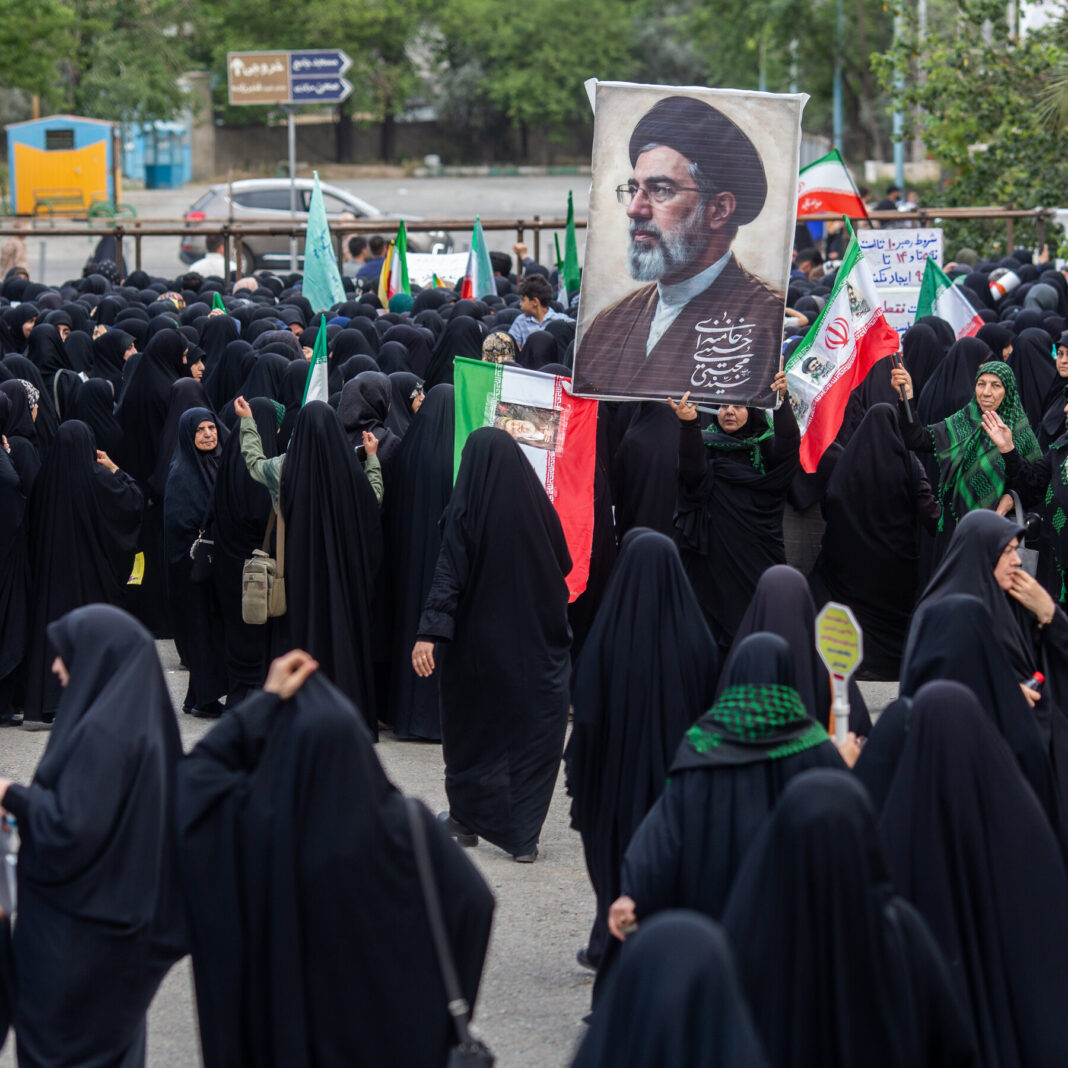
Iran is insisting on the release of billions of dollars in frozen assets as a precondition for any negotiations with the Trump administration. The country’s leaders argue that meaningful talks cannot begin without access to those funds. The issue has become a major sticking point in diplomatic discussions between the two nations.
The frozen assets stem from oil sales and other transactions that were blocked under U.S. sanctions. Iran claims the money is rightfully its own and should be unfrozen as a sign of good faith. American officials have resisted, viewing the demands as a negotiation tactic.
Iran’s economy has struggled under tight sanctions, driving inflation and unemployment. The regime sees the unfrozen funds as a lifeline to stabilize its finances. U.S. policymakers, however, worry that releasing the money could enable military or proxy activities.
Talks have stalled as both sides hold firm on their positions. Iranian leaders have publicly stated they will not engage in broader discussions unless the financial hurdle is cleared. Washington remains cautious, seeking assurances that any released funds will not support hostile actions.
The standoff underscores the deep mistrust between the two nations. Past attempts at diplomacy have faltered over similar disputes about financial terms. The current impasse suggests a long road ahead for any potential deal.
Regional observers note that the deadlock affects not only U.S.-Iran relations but also broader Middle Eastern stability. Neighboring countries watch closely, concerned about the potential for escalation. International mediators have struggled to bridge the divide.
Experts argue that both sides must find a middle ground to move forward. A partial release of funds, tied to strict monitoring, has been suggested as a possible compromise. Yet, no such proposal has gained traction in official talks.
The outcome remains uncertain as deadlines approach. Iran has signaled that patience is wearing thin, while the U.S. demands tangible security guarantees. The world awaits a resolution that could reshape diplomatic dynamics in the region.