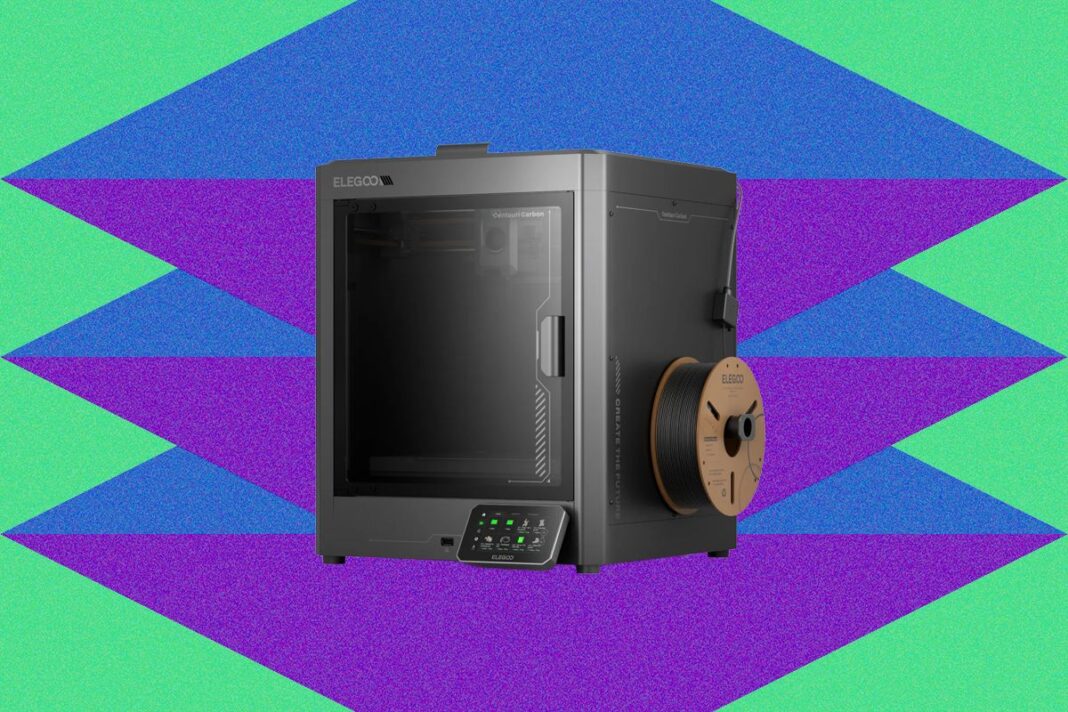
Children love 3D printers almost as much as they love their favorite digital characters. For parents considering a purchase, the decision is often about balancing excitement with practicality.
A 3D printer offers a hands-on introduction to technology and design. It moves kids from passive screen time to active creation, teaching problem-solving and spatial reasoning in a tangible way.
Safety is a primary concern for younger users. Many printers now include enclosed frames and lower-temperature print heads to prevent burns or exposure to fumes. Always check for age recommendations and safety certifications.
Ease of use has improved significantly in recent models. Kid-focused printers often feature simplified software, preset print profiles, and wireless connectivity from tablets. This reduces frustration for both children and adults.
The cost of entry has dropped, but ongoing expenses remain. Filament materials, replacement parts, and maintenance add up over time. A budget for supplies should be factored into the initial purchase.
Parental involvement is still necessary, especially for troubleshooting. While printers are more user-friendly, they are not fully automated. Adults should expect to supervise setup, first prints, and common jams.
Educational value extends beyond printing toys. Kids can learn about 3D modeling software, engineering tolerances, and material properties. This makes the printer a tool for learning, not just a gadget.
Consider the printer’s placement in the home. It requires a stable, ventilated area away from flammable items. Noise and duration of prints also affect household routines.
Setting clear rules around usage and content is important. Without guidance, children may print unnecessary items or unsafe objects. Establishing parameters helps the printer remain a positive tool.
Ultimately, a 3D printer can be a worthwhile investment for a creative and tech-curious child. It provides a unique blend of digital and physical creation that few other toys offer.