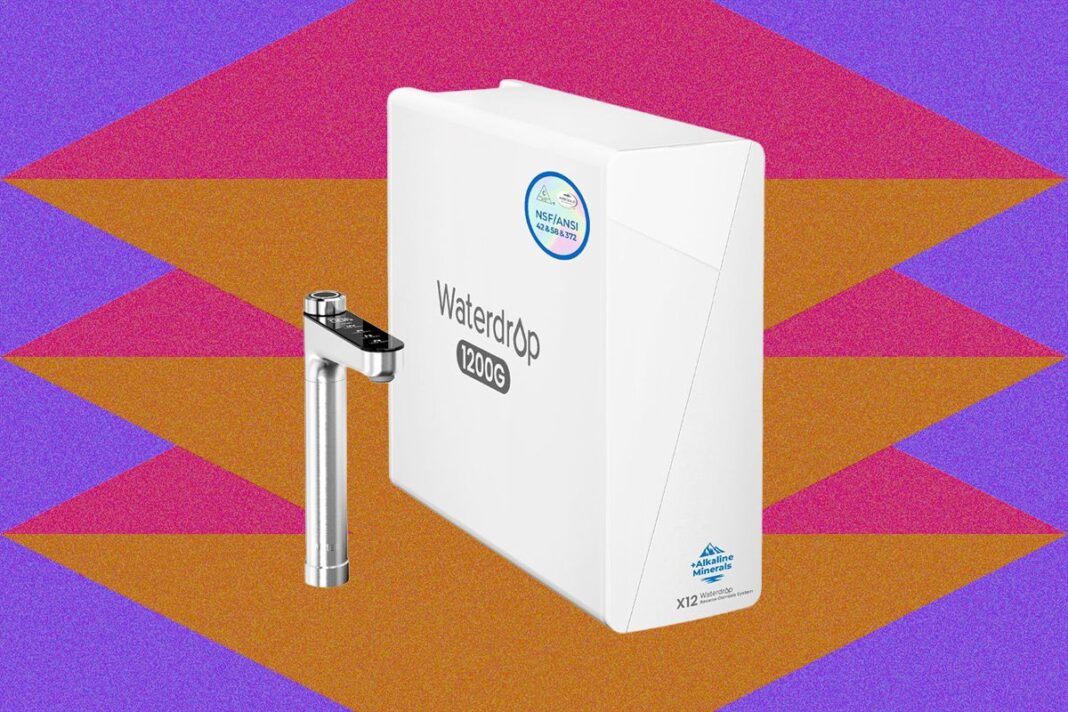
Under-sink reverse osmosis systems filter water at the point of use, removing contaminants like lead, chlorine, and dissolved solids. The Waterdrop X12 test showed clear improvements in tap water taste. Homeowners must weigh benefits against purchase and maintenance costs.
Reverse osmosis pushes water through a semipermeable membrane that traps particles down to 0.0001 microns. This process removes most dissolved salts, heavy metals, and microbes. The result is cleaner, better-tasting drinking water straight from the tap.
Installation requires a dedicated faucet and connection to the cold water supply line. Most units fit under a standard kitchen sink with adequate clearance. A storage tank holds filtered water for immediate use, though it takes up additional space.
The Waterdrop X12 improved taste noticeably during testing. Chlorine odors disappeared, and the water felt cleaner on the palate. These sensory gains matter for households that drink tap water daily and want to avoid bottled alternatives.
Purchase prices for under-sink systems range from roughly $150 to over $600 depending on capacity and features. Replacement filters add recurring costs, often $50 to $100 per year. Membrane replacements every two to three years push lifetime expenses higher.
Reverse osmosis wastes water during filtration, with typical systems sending two to four gallons to drain for every gallon purified. This ratio raises utility bills in water-scarce regions. Newer models reduce waste but rarely eliminate it entirely.
The systems remove beneficial minerals like calcium and magnesium along with contaminants. Some users add remineralization stages to restore these elements. This extra step adds cost and complexity to routine maintenance.
Under-sink reverse osmosis suits households concerned about specific contaminants or dissatisfied with tap water taste. Budget-conscious buyers should factor in long-term filter and water costs before committing. For many users, the convenience and quality gains justify the investment.