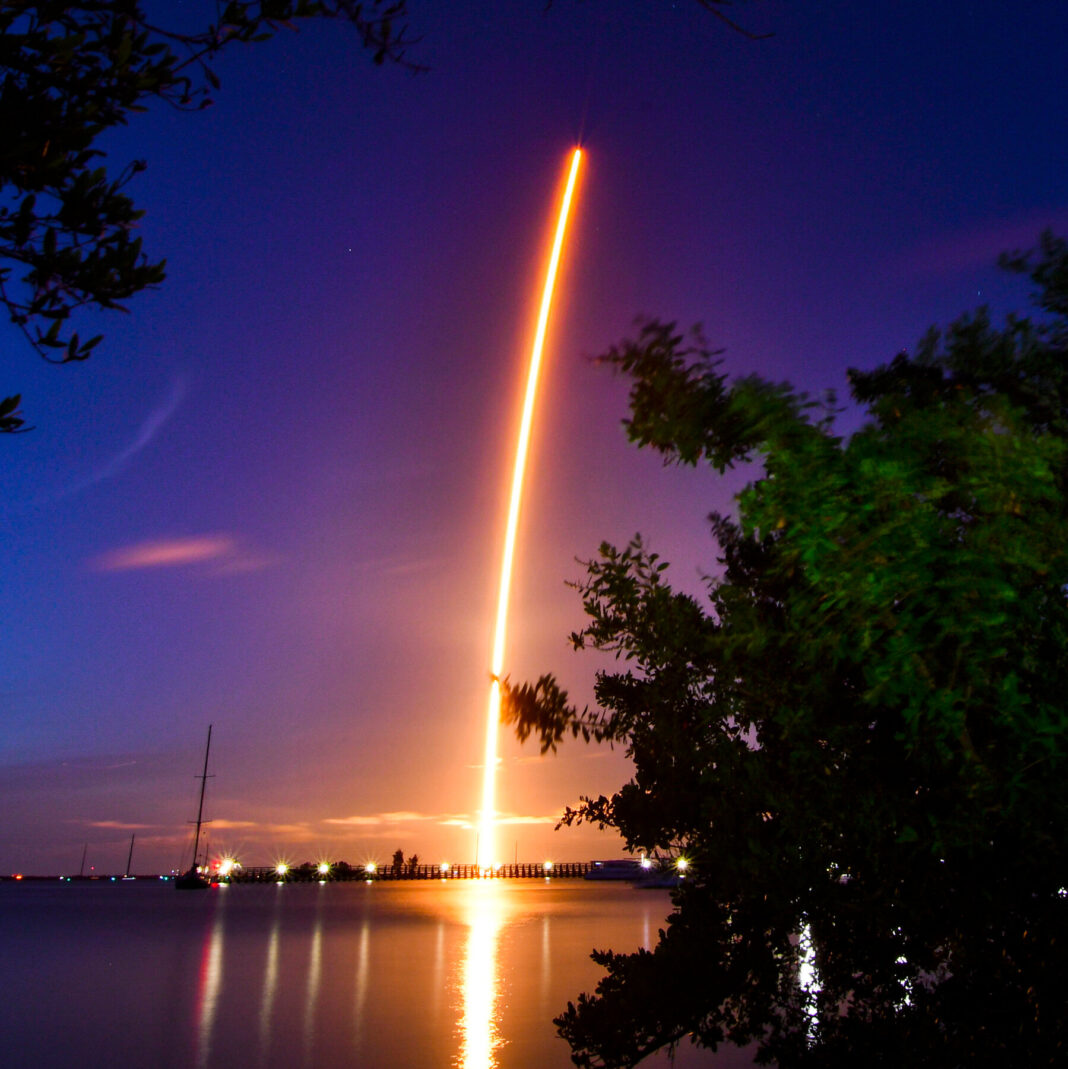
Space tourism has faced repeated delays and growing costs, pushing the dream of space travel for ordinary people further out of reach. Several high-profile companies once promised regular commercial flights by the mid-2020s. Those timelines have since slipped by years.
Ticket prices remain a major barrier. A seat on a suborbital flight still costs hundreds of thousands of dollars. For orbital trips, the price tag climbs into the millions. This has limited access to the ultra-wealthy and a handful of corporate-sponsored passengers.
Technical challenges have also slowed progress. Rocket failures and safety concerns have grounded test flights. Regulatory hurdles from agencies like the Federal Aviation Administration have added layers of complexity. Each setback adds more months or years to development schedules.
Consumer interest, however, remains high. Surveys show a growing appetite for space experiences, even at current price points. Companies like SpaceX, Blue Origin, and Virgin Galactic continue to refine their vehicles. They are betting that demand will eventually outweigh the obstacles.
The market may shift as technology matures. Reusable rockets and advanced materials could lower launch costs over time. Manufacturers are also exploring new designs for passenger comfort and safety. These innovations might bring prices down gradually.
Experts predict a slow, steady evolution rather than an overnight revolution. The first phase will likely focus on brief suborbital hops. Orbital hotels and longer stays could follow in the next decade. Widespread access remains a distant goal.
For now, space tourism remains a niche offering. The industry is still fighting for reliability and affordability. Whether it will ever serve ordinary travelers depends on continued investment and breakthroughs. The answer remains uncertain but not impossible.