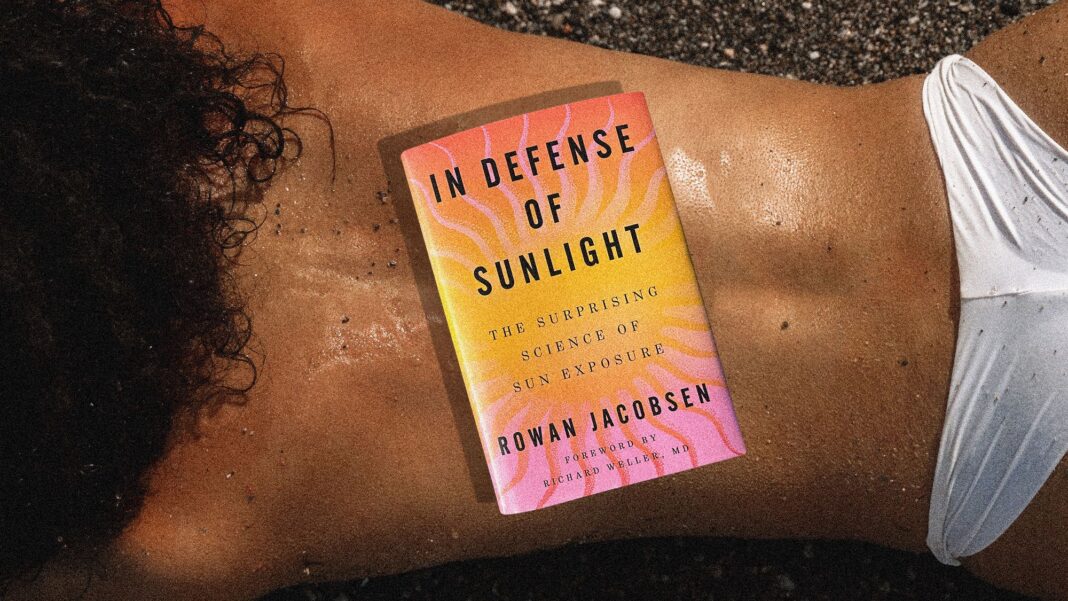
In Defense of Sunlight: A New Book Adds More Heat to the Sun Exposure Debate
A recent book is stirring fresh conversation about the role of sunlight in human health. As tanning culture makes a dangerous comeback and misinformation about SPF spreads online, the debate over sun exposure has become increasingly polarized. The author of *In Defense of Sunlight* offers a perspective that challenges conventional wisdom.
The book argues that modern society has swung too far in its avoidance of the sun. It points to growing evidence that moderate, unprotected sun exposure provides essential benefits. These include vitamin D production, improved mood, and potential regulation of the immune system. The author suggests that complete sun avoidance may carry its own health risks.
This position comes at a time when dermatologists warn about rising skin cancer rates. The American Academy of Dermatology continues to recommend daily sunscreen use. Many experts express concern that such arguments could undermine public health campaigns against harmful UV radiation.
However, the author does not advocate for reckless sunbathing. The book emphasizes the importance of skin type, latitude, and time of day. It proposes a framework for calculating safe exposure limits based on individual factors. This approach aims to balance the risks of burning with the benefits of sunlight.
The debate highlights a gap in current research. Most studies focus on the harmful effects of UV radiation. Far fewer examine the consequences of chronic sun avoidance. The author calls for more nuanced scientific investigation that considers both sides of the equation.
Critics worry that this message may be misunderstood. In an era of trending wellness misinformation, some fear it could encourage dangerous behavior. Social media influencers have already used similar arguments to promote tanning without protection.
Ultimately, the book serves as a reminder that few health issues are black and white. Sun exposure is not purely good or bad. The challenge lies in finding the sweet spot that maximizes benefits while minimizing harm. As the conversation evolves, consumers must rely on credible sources to navigate conflicting advice.