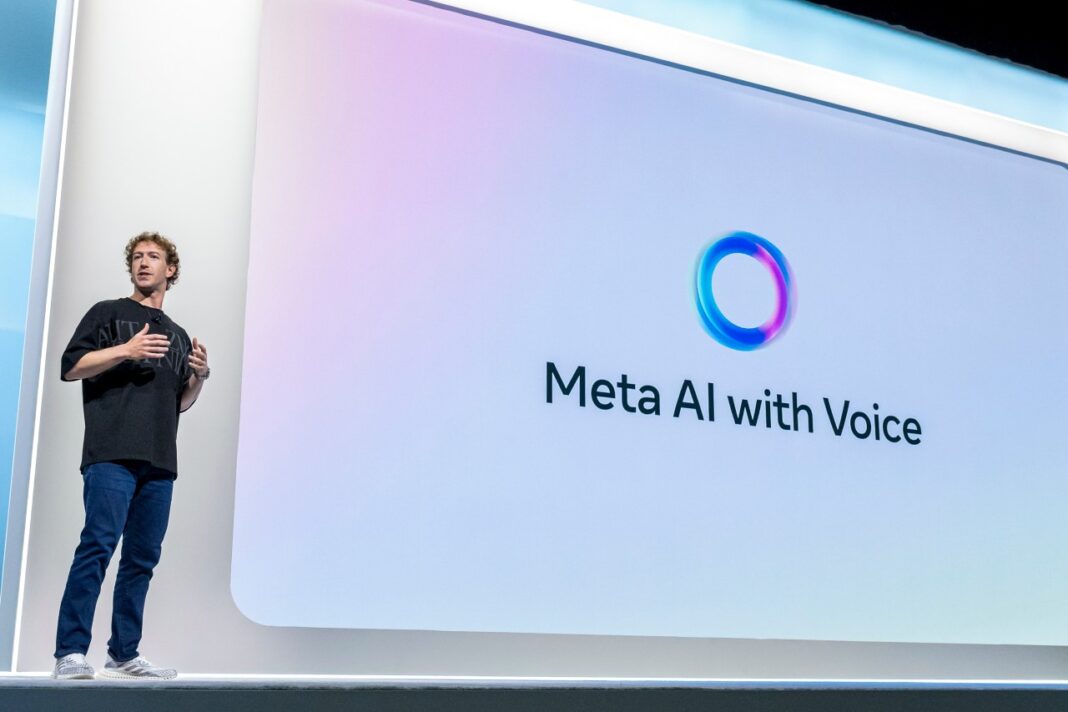
The AI industry’s massive spending spree may finally face a reality check. Meta’s potential move to rent out excess computing power signals that big tech might have overbuilt capacity. This development raises questions about whether the relentless investment in artificial intelligence infrastructure will slow down.
For months, major technology companies have poured billions into AI data centers and chips. The race to dominate the AI market has driven spending to unprecedented levels. Meta, Google, Amazon, and Microsoft have all committed vast sums to secure their positions.
If Meta follows through with renting compute power, it would mark a shift in strategy. Previously, companies hoarded computing resources for internal AI development. Renting excess capacity suggests supply may now outpace immediate demand.
The move could pressure other firms to reconsider their own spending plans. Investors have grown cautious about the high costs with unclear returns. A slowdown in capital expenditure might ease fears of a bubble forming in the AI sector.
However, renting compute does not necessarily mean a retreat from AI ambitions. Meta still plans to invest heavily in next-generation models and services. The rental strategy could simply optimize existing assets while generating revenue.
Other tech giants may watch Meta’s experiment closely before adjusting their own approaches. If successful, renting compute could become a new industry norm. It would help companies monetize idle hardware without cutting overall AI investment.
The outcome will depend on whether demand for AI compute grows fast enough to absorb the excess. If it does, the spending war might continue unabated. If not, the first cracks in the AI arms race could appear.