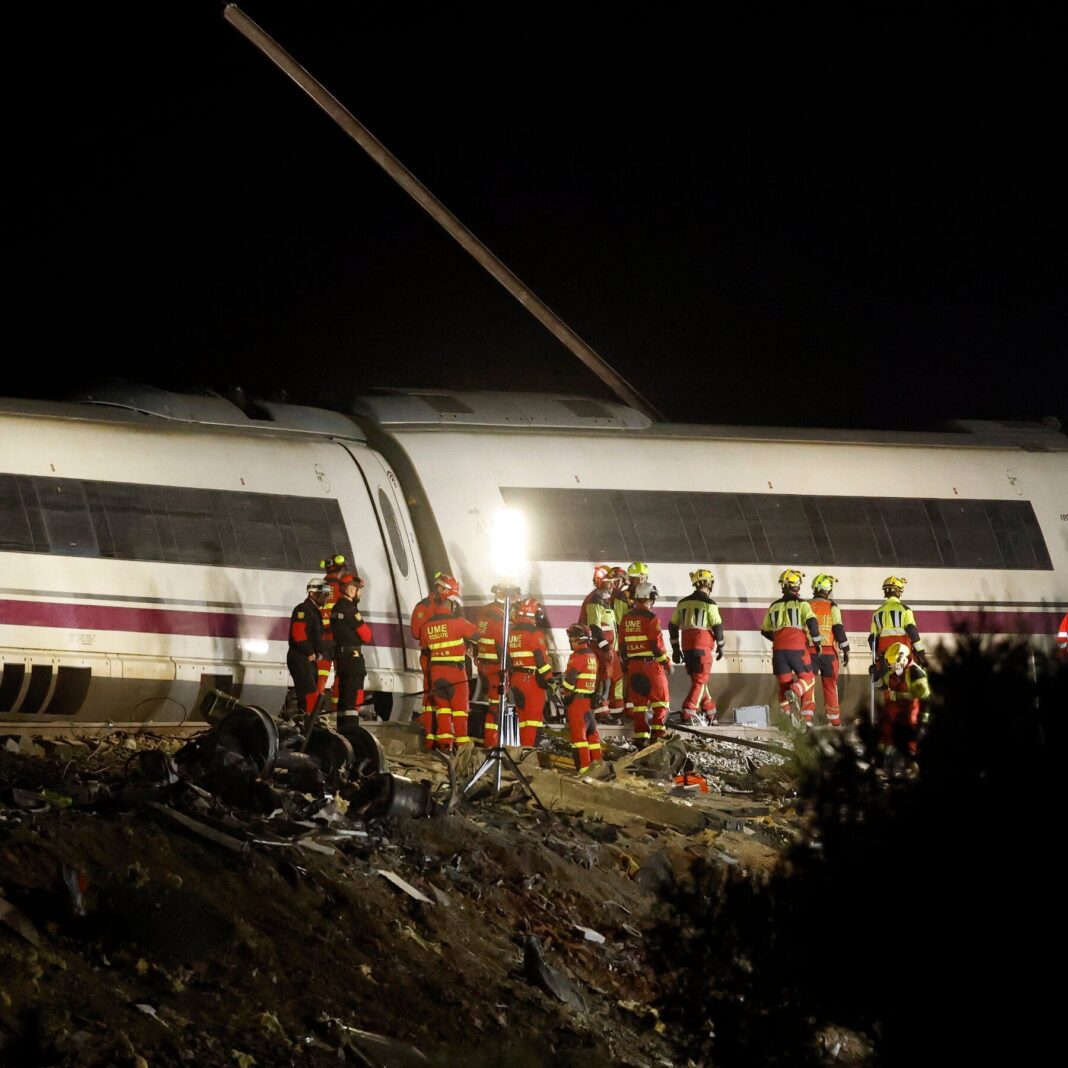
Choosing the safest seat in a train crash is not as simple as picking the middle of the car, rail safety experts say. A high-speed collision near Toledo, Spain, killed at least 69 people this week and renewed questions about passenger safety. The long-held belief that middle cars offer the best protection has limits, according to specialists.
Crash dynamics vary widely depending on speed, track geometry, and the point of impact. No single seat position guarantees survival in every scenario. Experts caution that the middle-of-train advice is a rough guideline, not a rule.
Rear cars may absorb less force in a frontal collision but can be vulnerable in a rear-end impact. Front cars face the initial shock but sometimes escape secondary pileups. The outcome often depends on how the train derails or crumples.
Modern railcars are built with crumple zones and reinforced structures designed to distribute energy. These features can make any seat safer than older designs. Passengers should focus on following crew instructions and staying seated with seatbelts fastened where available.
Emergency exits and vestibule areas carry their own risks during a crash. Standing near doors or moving between cars increases the chance of injury from debris or sudden stops. Remaining seated and braced is generally the safest response when a collision is imminent.
Rail authorities continue to study crash data to improve car design and seating layouts. Some research suggests that aisle seats reduce exposure to flying glass and structural collapse. Window seats offer more protection from side impacts but less escape flexibility.
Passengers can take practical steps regardless of seat choice. Keep heavy items stowed, note the nearest exits, and listen to onboard safety briefings. Awareness and quick reactions matter more than the specific seat location in most emergencies.
The Toledo collision remains under investigation, and officials have not released detailed findings on seat-specific outcomes. Experts stress that rail travel remains statistically far safer than road transport. The search for a universally “safest seat” may never produce a simple answer.