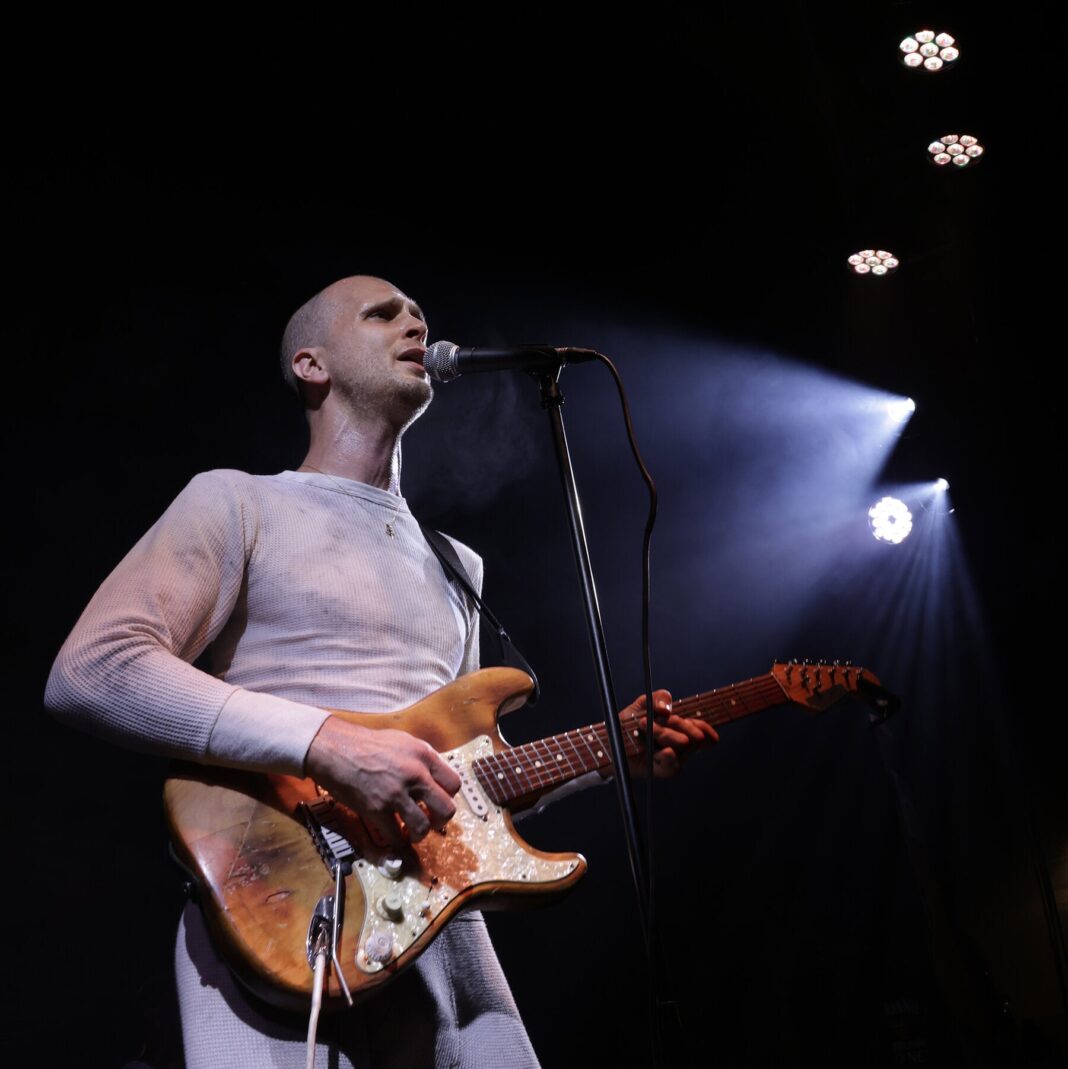
Singer JMSN has demanded that President Trump stop using his song “Love Me” in a recent promotional video. The artist objected to the track’s inclusion in political messaging. His complaint centers on the use of his work without permission.
The video in question was a self-promotional production paid for with public money. It featured the song alongside images promoting the president. Public funds covered the cost of creating and distributing the material. The use of a pop song in such content typically requires a license.
JMSN, whose real name is Christian Berishaj, released “Love Me” in 2021. The track has since gained a following in alternative R&B circles. He joins a growing list of musicians who have objected to political use of their catalogs.
Artists including Neil Young, the Rolling Stones, and Tom Petty have previously issued cease-and-desist notices over similar uses. Those disputes often hinge on whether a campaign obtained proper synchronization or public performance rights. Legal action can follow if an artist proves unauthorized use.
Copyright law gives songwriters control over reproductions and public performances of their work. Political campaigns must secure permission from both the composition owner and the recording owner. Using a track without those agreements can trigger liability.
The White House has not publicly responded to JMSN’s demand. Representatives for the artist did not announce whether they plan to sue. The dispute adds to broader debates over music, money, and political speech.
Public funding for the video raises additional questions about taxpayer resources. Watchdog groups have criticized similar expenditures in the past. The story continues to draw attention from both music fans and political observers.