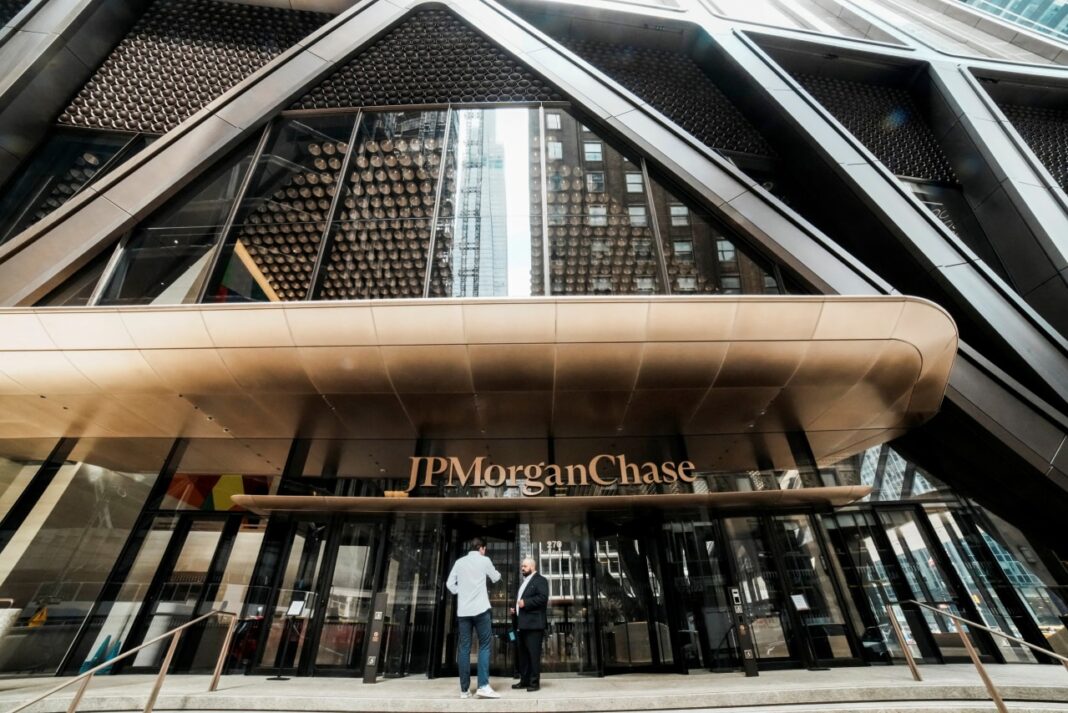
JPMorgan Chase recently awarded one of its top traders a $4 million bonus after what is being called the “salami incident” — a series of small, unauthorized trades that bypassed the bank’s risk controls. The incident has sparked significant backlash from other banks, who argue the reward undermines industry efforts to enforce stricter compliance.
The mega award has galvanized the financial industry’s push for rule changes. Banks are concerned that such large bonuses, even after regulatory breaches, set a dangerous precedent. They fear it may encourage risk-taking behavior that could lead to broader systemic issues.
The $4 million bonus was given to a trader who executed multiple small trades designed to stay under internal monitoring thresholds. The tactic, known as “salami slicing,” allows traders to avoid detection while still profiting from market movements.
JPMorgan defended the bonus, stating the trades did not violate any laws and were contained within the bank’s own risk parameters. Critics, however, argue that rewarding such behavior sends the wrong message about accountability and compliance.
Other major banks are now calling for clearer guidelines on bonus structures tied to compliance violations. They want regulators to step in and establish uniform standards that prevent similar incidents from being rewarded in the future.
The controversy comes at a time when financial regulators are already tightening scrutiny on compensation practices. The incident has added fuel to ongoing debates about whether bonuses should be tied more directly to long-term performance and risk management.
Industry observers note that the backlash could lead to stricter internal policies across the banking sector. Some banks are already reviewing their own bonus frameworks to ensure they align with regulatory expectations and ethical standards.
The “salami incident” highlights the tension between rewarding talent and maintaining robust risk controls. As the industry grapples with this balance, the push for rule changes is likely to intensify in the coming months.