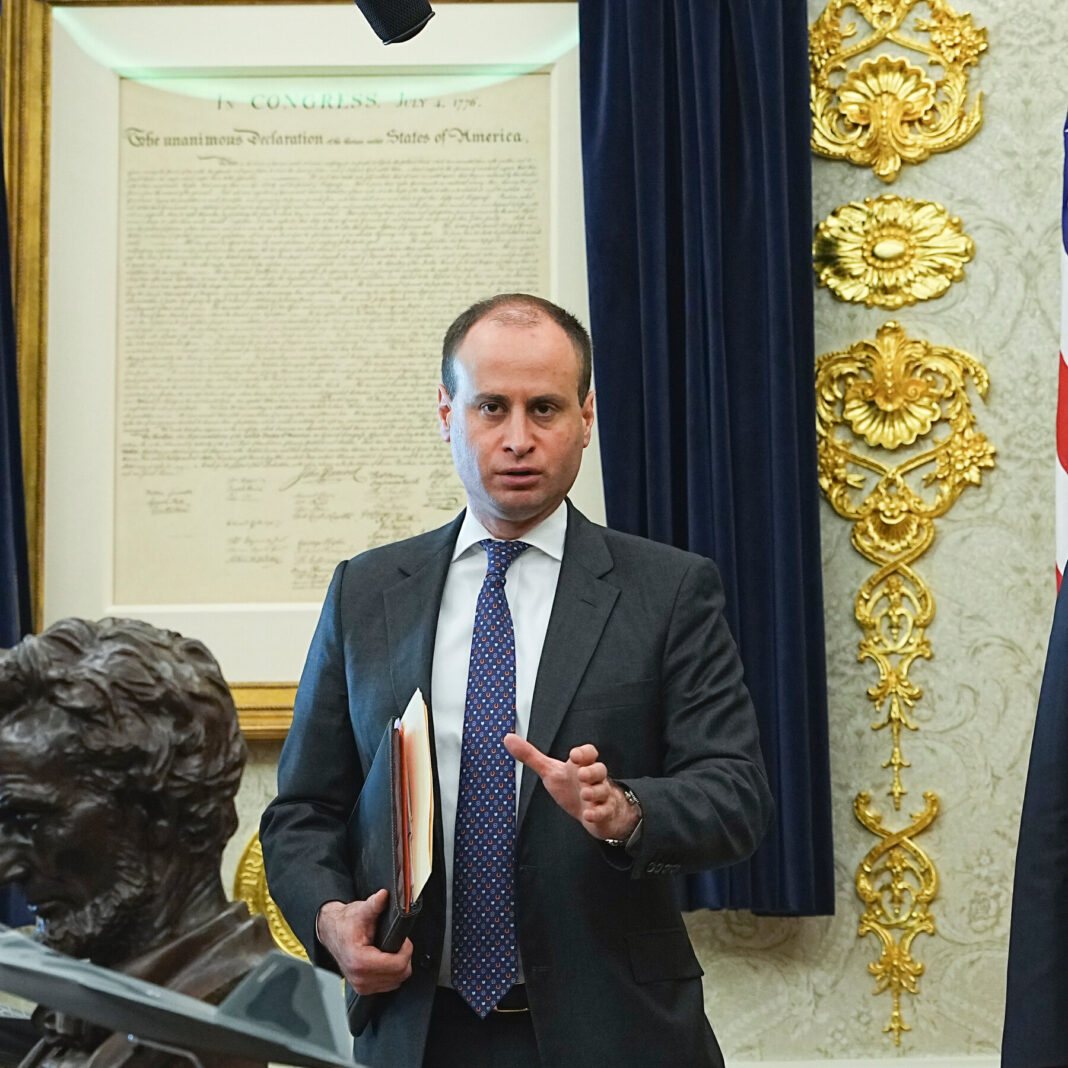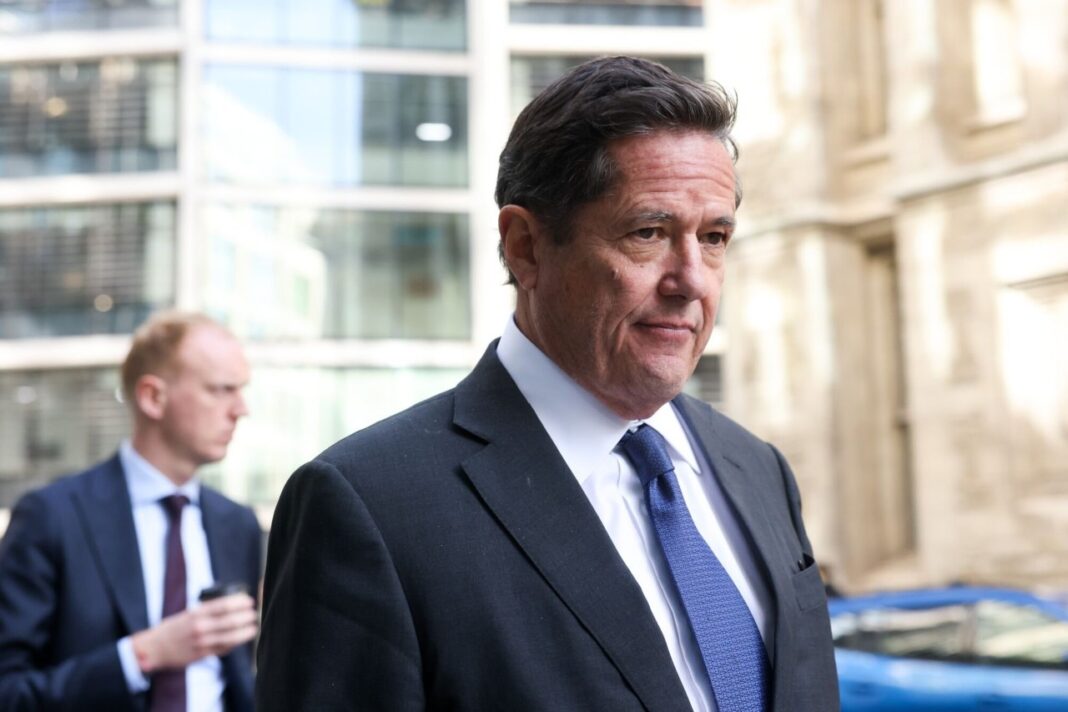
Jes Staley, a former senior executive at JPMorgan and Barclays, testified about his relationship with Jeffrey Epstein, revealing new details about their interactions. Staley stated that he had consensual sex with one of Epstein’s “assistants,” a disclosure that adds a personal dimension to the ongoing legal scrutiny. He also acknowledged that he warned Epstein about his cash withdrawals, a move that raises questions about what Staley knew at the time.
The testimony comes amid broader civil lawsuits and investigations into Epstein’s network and the financial institutions that worked with him. Staley’s deposition provides a rare, firsthand account from a high-ranking banker who maintained a close professional bond with Epstein for years. His statements are now part of the public record, offering a glimpse into the internal dealings between the two men.
Staley’s warning about cash withdrawals suggests he was aware of Epstein’s unusual financial activity. That warning, according to testimony, was not necessarily an act of suspicion but rather a piece of advice from a banker to a client. Still, the comment underscores the extent to which Epstein’s transactions drew attention, even from those in his inner circle.
The relationship between Staley and Epstein was already known to have been close, with emails showing a friendly and often personal tone. Staley once described Epstein as a “highly valued” client and compared him to a “mentor” in some respects. The new testimony, however, clarifies the physical nature of part of that relationship, moving beyond professional admiration to a more personal entanglement.
Legal experts suggest that Staley’s testimony could influence how courts view institutional knowledge of Epstein’s behavior. If senior executives were aware of his financial patterns, questions arise about what was reported to compliance departments. The warning about withdrawals may be examined as evidence of awareness, though Staley did not indicate he suspected criminal activity.
JPMorgan has previously stated that it regrets its association with Epstein, though it has also argued that Staley acted independently. Barclays, where Staley later served as CEO, has faced pressure over his past ties to Epstein, leading to his departure in 2021. Staley has consistently denied any involvement in Epstein’s illegal activities, and this testimony does not change that position.
For observers, the testimony offers more than a personal revelation; it provides a lens into how Epstein managed his relationships with powerful financial figures. The mix of loyalty, advice, and secrecy in Staley’s account mirrors other accounts from former Epstein associates. As legal proceedings continue, the full breadth of Epstein’s connections remains under examination.
The case is part of a larger effort by prosecutors and plaintiffs to determine how Epstein operated for so long without consistent opposition. Staley’s cooperation in testimony marks a step toward accountability, even if his role was limited to that of a client and acquaintance. No further statements from Staley are expected at this time.