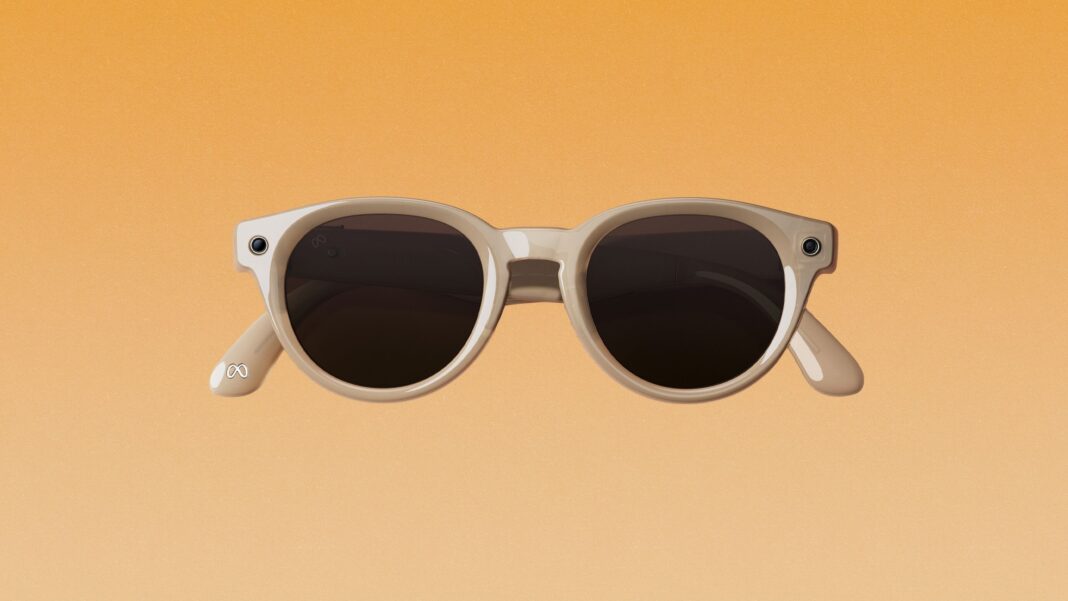
Meta and Ray-Ban have released the third generation of their smart glasses, branded as the Meta Glasses Nova. The new model arrives with modest hardware updates rather than a major redesign. Consumers expecting a revolutionary leap will find mostly incremental changes.
The most notable improvements are in battery life and microphone performance. Users can expect slightly longer usage times between charges compared to the previous generation. The upgraded microphones aim to deliver clearer voice pickup for calls and voice commands.
Cameras remain a core feature of the device. The glasses still allow users to capture photos and short videos directly from the frame. This continues to raise the same privacy considerations that have followed the product line since its inception.
Design and form factor stay largely unchanged from the last version. The frames retain a familiar Ray-Ban aesthetic that blends traditional eyewear with embedded technology. Few external cues distinguish the new model from its predecessor.
Meta’s AI assistant integration remains a central selling point. The glasses can answer questions, identify objects, and provide contextual information through voice interaction. These features depend on a paired smartphone and a stable internet connection.
On the software side, updates focus on refining existing capabilities rather than introducing new ones. Voice command accuracy has improved, according to the company. However, the overall user experience feels similar to what earlier adopters already know.
Pricing and availability place the Nova in the same premium category as prior models. The glasses target early adopters and tech enthusiasts more than mainstream consumers. For those already owning a recent pair, upgrading offers limited value.
In short, the Meta Glasses Nova represents a cautious step forward. The improvements are real but minor, and the core experience remains unchanged. Buyers seeking dramatic innovation may want to wait for a future generation.