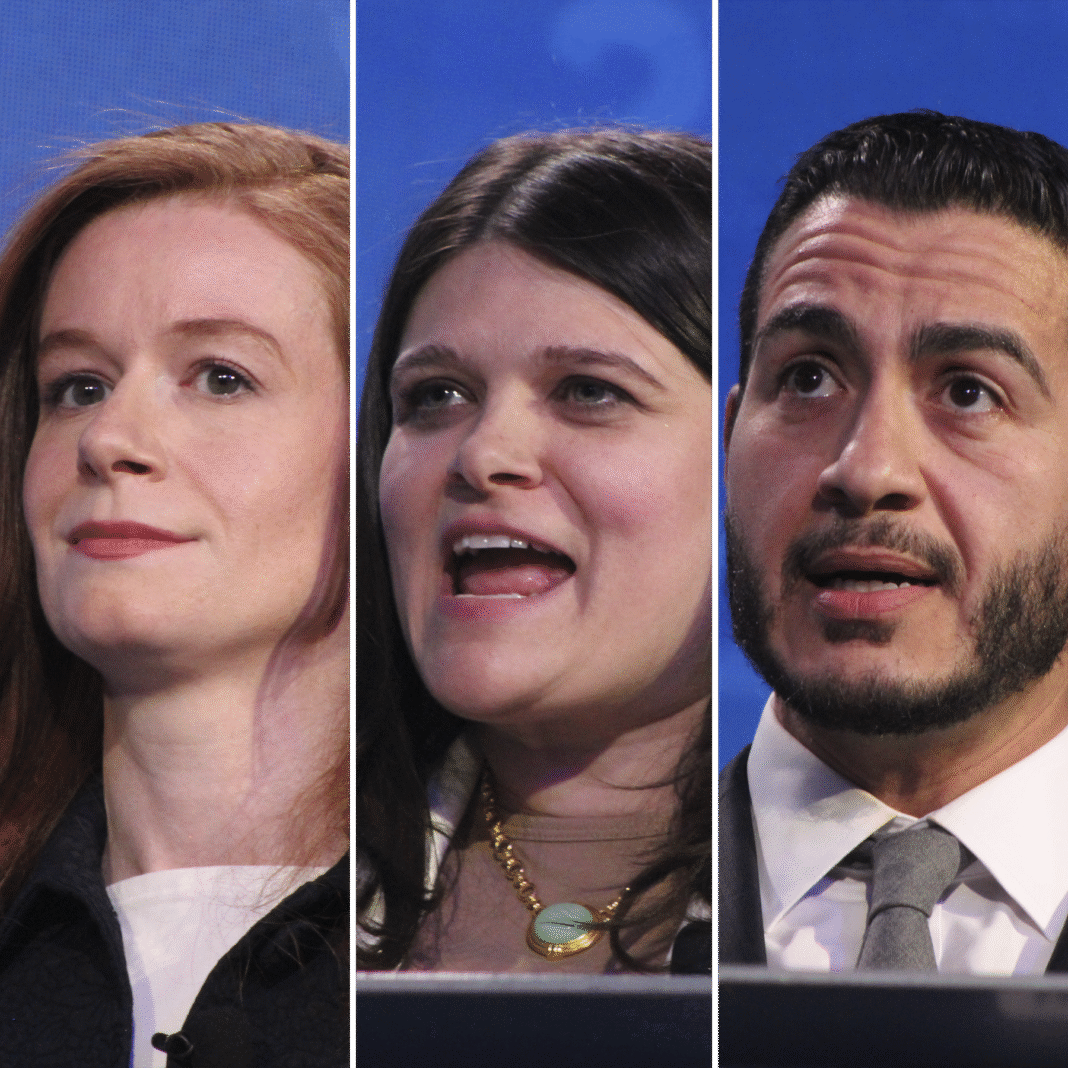
Michigan Senate candidates faced a question about AIPAC during a recent primary debate. The responses revealed a deepening divide within the Democratic Party over U.S. policy toward Israel.
One candidate avoided directly answering whether they would accept the pro-Israel group’s endorsement. The hesitation underscored the growing tension between the party’s progressive base and its traditional pro-Israel stance.
The debate highlighted how Democrats are navigating the issue with increasing caution. Many candidates now face pressure from both pro-Israel donors and activists critical of Israeli government policies.
The shift reflects a broader change in the party’s coalition. Younger and more diverse voters have become more skeptical of unconditional U.S. support for Israel.
Some Democrats now call for conditioning aid to Israel or opposing settlement expansion. These positions were once rare in the party but have gained traction in recent years.
The Michigan race offers a clear example of this ideological split. Candidates must balance strong support from pro-Israel groups against demands from the party’s left flank.
Political analysts say the issue will continue to shape Democratic primaries. The party’s internal debate over Israel shows no signs of resolution ahead of the next election cycle.