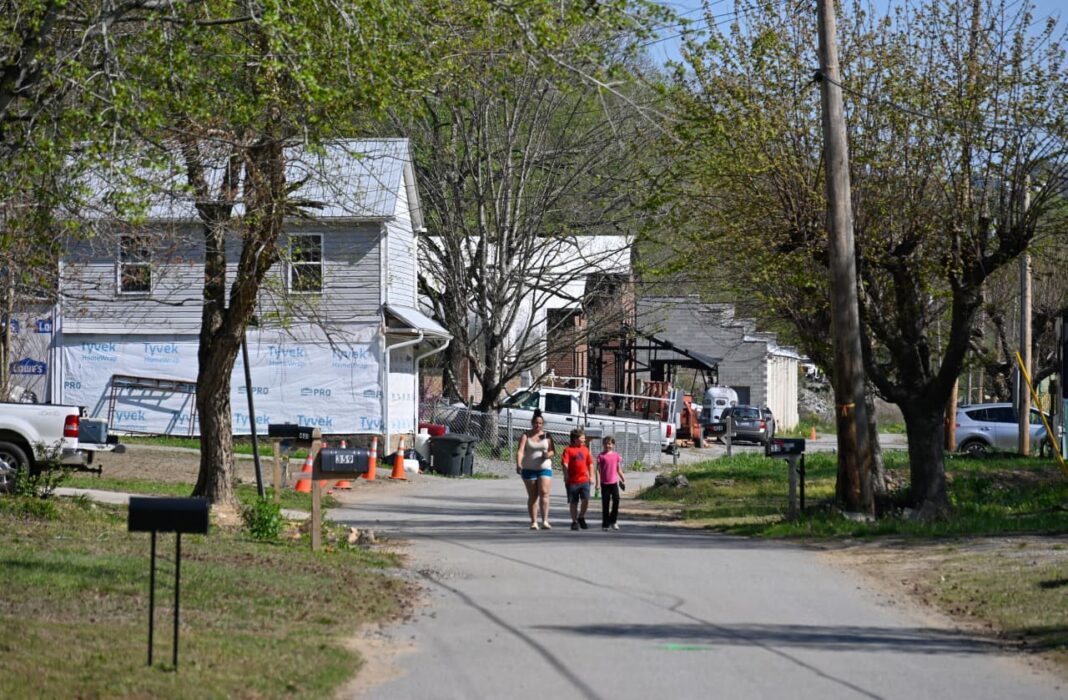
New home construction in the United States dropped sharply in May, reaching its lowest point since the peak of the 2020 pandemic. This decline adds further strain to an already challenging housing market for prospective buyers.
The downturn in new building activity signals a tightening supply of available homes. Fewer new construction projects mean less inventory for buyers to choose from in the coming months.
This reduction in supply could push prices higher. With demand remaining steady, a smaller pool of new homes may intensify competition among buyers.
Builders are facing several headwinds contributing to this slowdown. Rising interest rates and ongoing supply chain issues have made new projects less financially viable.
Higher mortgage rates are also cooling buyer demand, which in turn discourages builders from starting new developments. This creates a feedback loop that limits market activity.
For home buyers, this means fewer options and potentially higher costs. Existing homes remain scarce, and the lack of new construction offers little relief.
The current low in construction activity is a key indicator of broader economic pressures. It reflects both builder caution and the lingering effects of higher financing costs.
Industry experts suggest this trend may persist if borrowing costs remain elevated. Buyers should prepare for a prolonged period of limited new home availability.
Despite the challenges, some regions may see localized building activity. Overall, however, the national outlook points to continued constraints on housing supply.