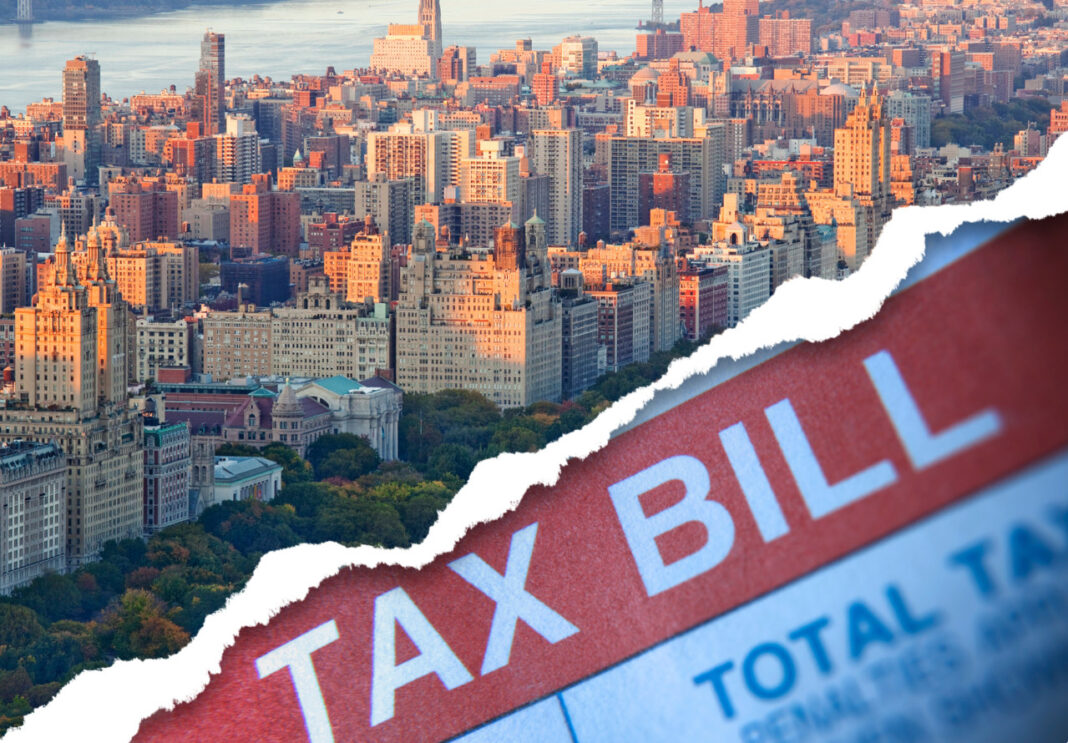
A proposed tax on high-value second homes in New York City aims to generate significant revenue. The plan targets luxury residential properties used part-time by their owners. Officials estimate it could raise hundreds of millions annually.
This surcharge specifically applies to non-primary residences valued over a certain threshold. It is designed to tap into the wealth of ultra-affluent property owners. The goal is to fund city services and affordable housing initiatives.
Critics argue the policy risks driving away top taxpayers. Many wealthy individuals could relocate their primary residency to states with lower taxes. Florida and other sunbelt states are seen as likely destinations.
The potential exodus threatens key city industries reliant on high-spending residents. Luxury retail, fine dining, and cultural institutions would feel the impact. These sectors support thousands of local jobs across the five boroughs.
Proponents counter that the city’s unique amenities will retain most owners. They believe the tax burden is a reasonable trade for urban access. The revenue is framed as essential for maintaining the city’s appeal.
The debate highlights a delicate balance in urban economic policy. Cities must fund services without stifling economic vitality. This tax proposal tests the loyalty of the wealthiest residents.
Its outcome will be closely watched by other major metropolitan areas. Many cities grapple with similar budgetary pressures and inequality concerns. New York’s experiment could set a notable national precedent.