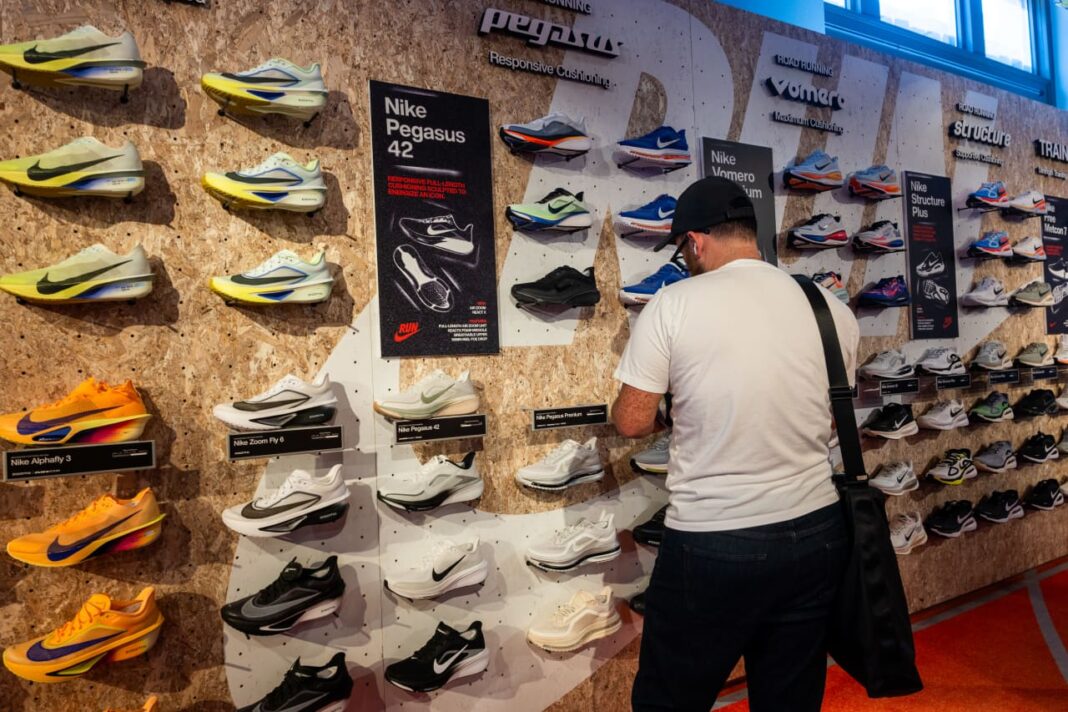
Nike reported quarterly earnings that exceeded Wall Street’s profit and revenue expectations. The athletic giant posted stronger-than-anticipated results for its latest fiscal period.
The company’s profit was boosted by a one-time tariff refund. This refund helped lift Nike’s gross margins above analyst forecasts for the quarter.
Excluding that refund, the financial picture was less rosy. Underlying demand trends showed a more tempered performance for the sportswear maker.
Revenue growth slowed in key markets like North America. Inventory levels remained high, pressuring the company’s ability to sell products at full price.
Nike executives pointed to ongoing challenges with consumer spending. Shoppers are becoming more cautious, delaying purchases of non-essential items.
The company also faced rising costs for raw materials and logistics. These expenses partially offset the gains from the tariff reimbursement.
Analysts noted the earnings beat did not signal a fundamental turnaround. The tariff refund was a non-recurring event, masking deeper operational hurdles.
Nike’s stock initially rose on the news before retreating. Investors weighed the short-term boost against longer-term growth concerns.
The company reaffirmed its outlook for the current quarter. Management emphasized efforts to clear excess inventory through promotions and tighter supply controls.