U.S. and global benchmark oil prices have fallen to levels not seen since late February, before the U.S.-Israeli conflict with Iran began. The drop does not mean risks tied to the conflict have vanished.
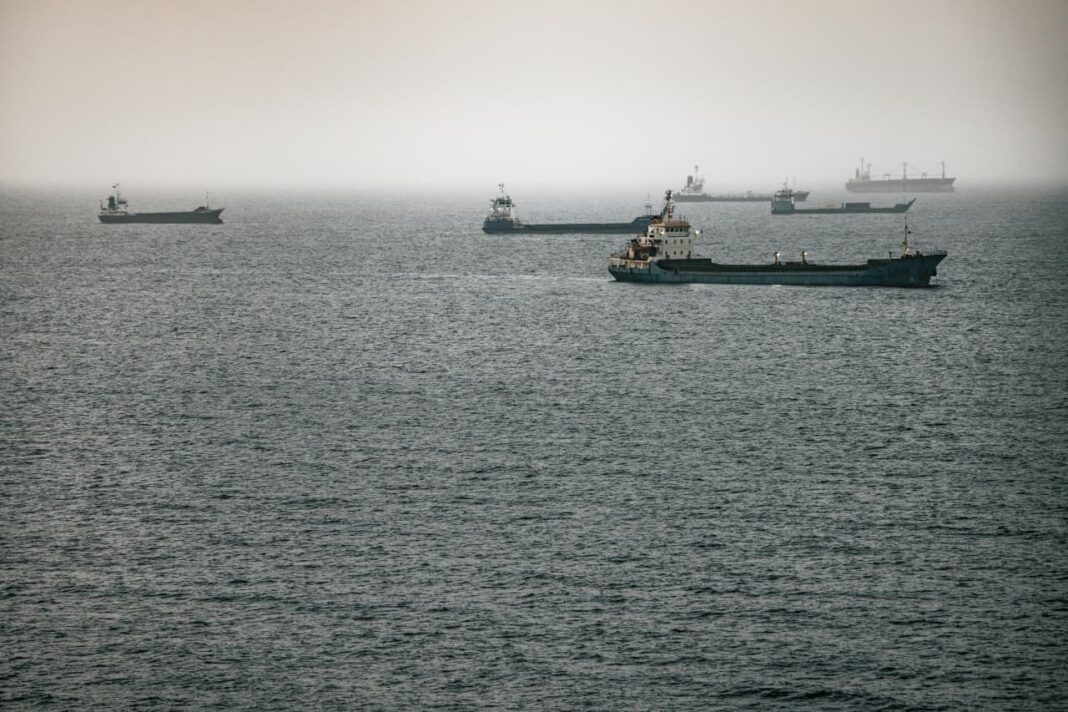
President Donald Trump’s recent comments on Iran underscore that supply threats remain. A disruption to oil shipments through the Strait of Hormuz still poses a significant risk to global markets.
Physical flow through the strait has improved in recent weeks, easing immediate supply concerns. Tanker traffic has returned to near-normal levels after earlier disruptions.
Market participants are now weighing the improved flow against ongoing geopolitical tensions. The potential for renewed conflict keeps traders cautious about future supply stability.
Analysts note that oil prices could spike again if tensions escalate. The current calm in pricing does not reflect a long-term resolution to underlying risks.
The energy sector remains sensitive to any shifts in U.S.-Iran relations. Policy changes or military actions could quickly reverse the recent price decline.
For now, markets are pricing in a temporary lull rather than a permanent end to supply risks. Observers recommend watching for new developments in the region.