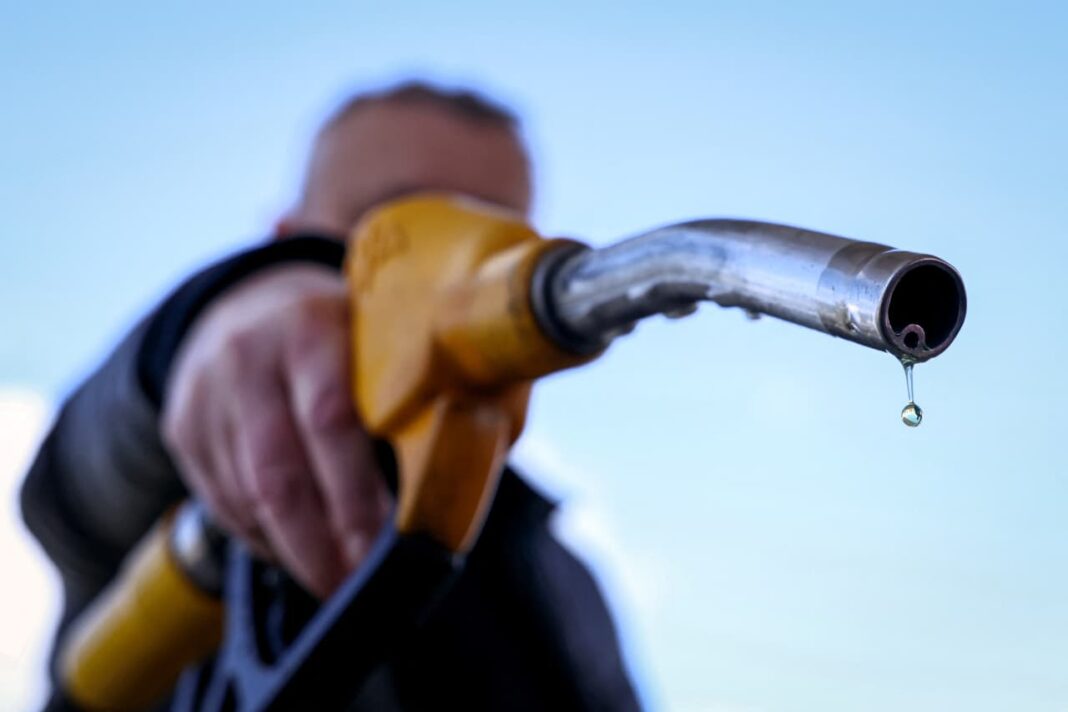
Oil prices may drop in global markets, but gasoline prices at the pump are unlikely to follow. This disconnect reveals a structural trap for consumers.
The current energy crisis is not driven by geopolitical conflict in Iran. Instead, financial speculation on Wall Street is inflating fuel costs.
When crude oil prices fall, retail gasoline prices often remain high or fall more slowly. This lag results from market manipulation and trading strategies in futures markets.
Investors and hedge funds use commodities like oil as financial assets, not just physical goods. Their bets drive up prices beyond supply and demand fundamentals.
Refineries and retailers also protect margins during volatile periods. They pass higher costs to consumers quickly but delay passing on savings.
This pattern leaves drivers stuck paying elevated prices regardless of global oil trends. The trap tightens as Wall Street profits grow.
Regulatory gaps allow these speculative practices to persist. Without intervention, consumers face a broken pricing system that favors traders over households.
The solution requires greater transparency in oil futures markets. Until then, falling crude prices will offer little relief at the pump.