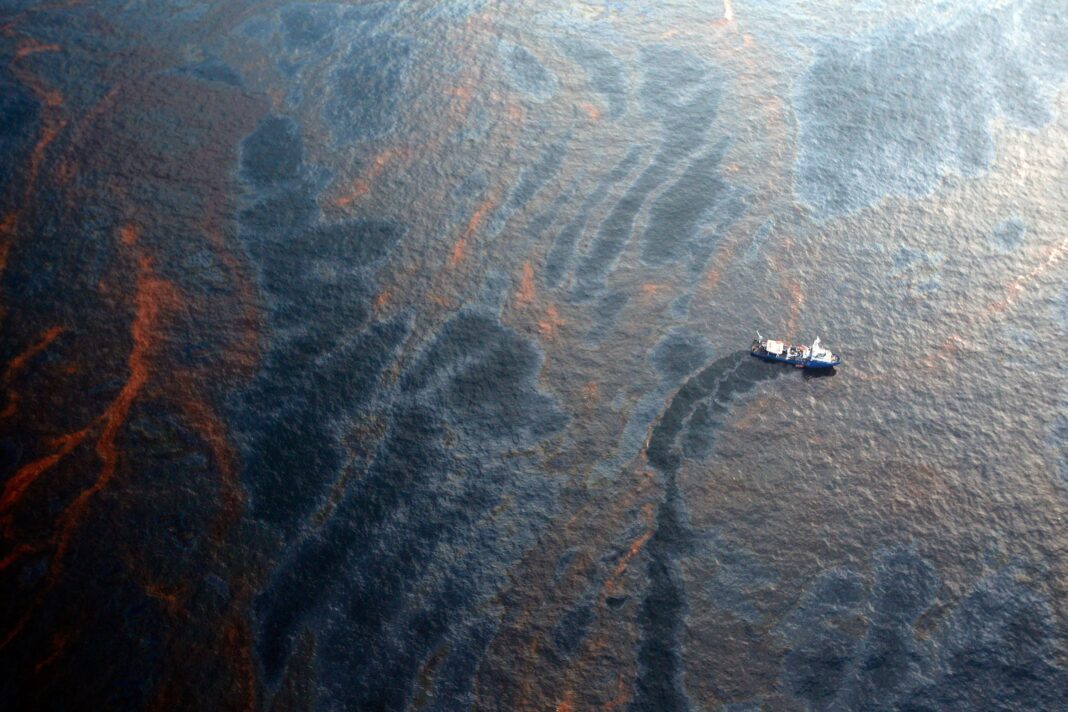
New research reveals that oil spills cause lasting damage to deep-ocean habitats, not just surface waters. Contamination can persist for a decade or more after the initial spill. Animal populations in affected areas have declined by as much as 80 percent.
While oil is known to float, its impact extends far below the surface over time. Scientists found that oil can permeate even the deepest marine environments. The study challenges assumptions about how quickly ocean ecosystems recover.
The research focused on the long-term effects of major spills on seafloor communities. Tiny organisms at the base of the food web showed severe declines. These losses cascade upward through the entire marine ecosystem.
Oil sinks when it binds with particles and marine snow. This process carries contaminants to the ocean floor. Once there, the oil persists in sediments for years.
Recovery rates vary widely among species. Some populations show little sign of rebounding even after a decade. Slow-growing deep-sea organisms face the greatest risk.
The findings have implications for how spills are assessed and monitored. Current cleanup efforts focus largely on surface waters. Long-term deep-sea monitoring remains limited.
Researchers call for expanded study of deep-ocean ecosystems after spills. Better understanding of these habitats could improve recovery efforts. The full extent of damage may not be known for decades.