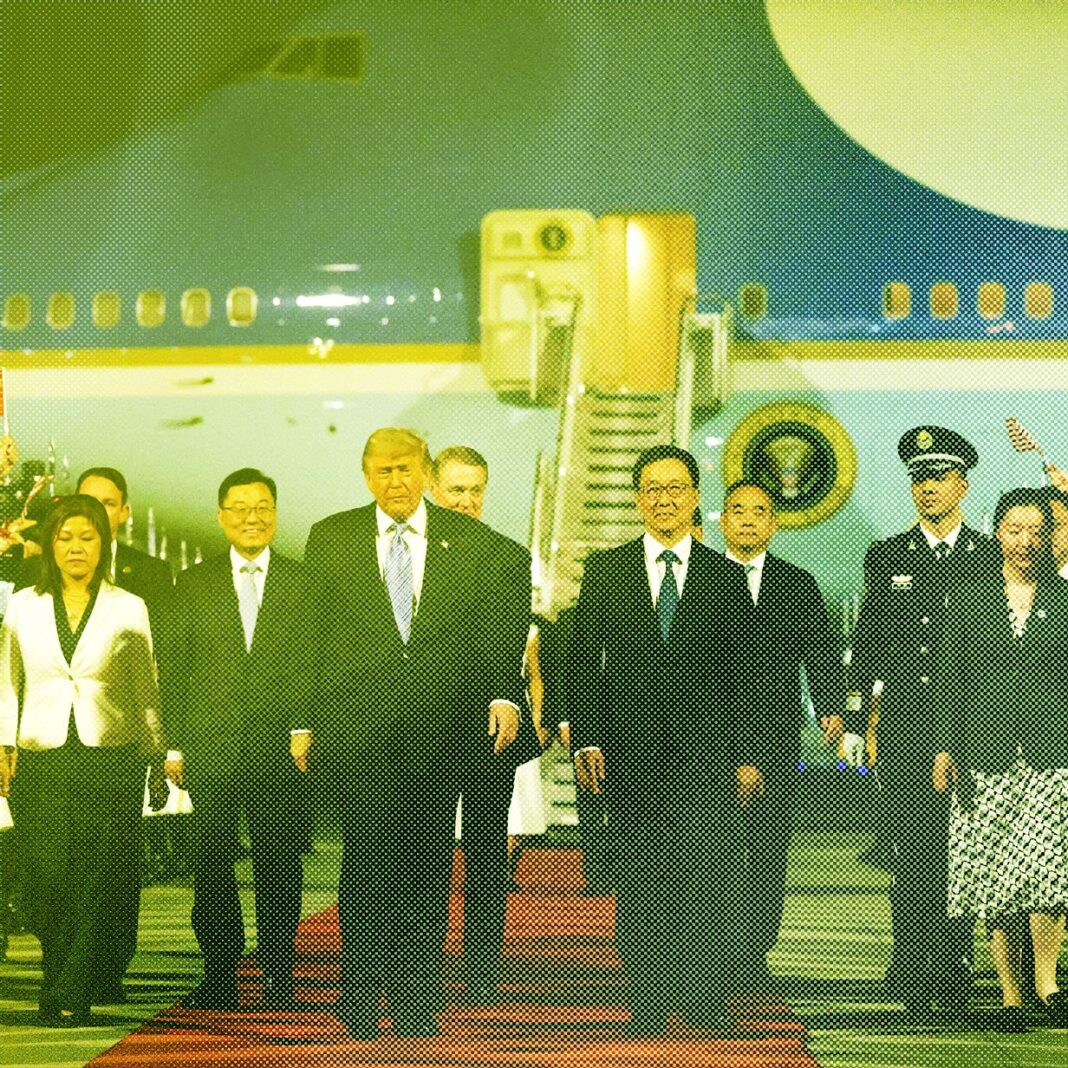
In a pivotal moment for global diplomacy, Donald Trump’s visit to China is set to shape high-stakes conversations among world leaders. The trip occurs as economic tensions and foreign policy challenges reach a critical point. Analysts are closely watching how Trump’s interactions with Chinese officials may influence trade negotiations and international alliances.
The ongoing rivalry between Elon Musk and Sam Altman has captured significant attention in the tech world. Musk, the CEO of Tesla and SpaceX, and Altman, the CEO of OpenAI, are locked in a competitive legal battle. The dispute centers on control over artificial intelligence developments and corporate leadership. The outcome could have far-reaching implications for the future of AI innovation and regulation.
Meanwhile, a surge of conspiracy theories surrounding hantavirus has emerged online. These unfounded claims link the virus to various political narratives and biological weapons programs. Health experts warn that such misinformation can undermine public trust in scientific guidance. Authorities are urging the public to rely on verified sources for accurate information about the disease.
Trump’s delegation to China includes prominent tech figures and business leaders. This high-profile posse aims to strengthen economic ties but also raises questions about potential conflicts of interest. Critics argue that mixing corporate interests with diplomatic missions could blur ethical boundaries. Supporters contend that such engagement is essential for securing favorable trade terms.
The Musk-Altman trial highlights the intense competition within the AI sector. Both entrepreneurs seek to position their companies as leaders in the rapidly evolving field. Legal experts predict the case could set precedents for intellectual property rights and corporate governance in technology. The trial also underscores the growing influence of AI on global markets.
Hantavirus conspiracy theories often stem from misunderstanding the virus’s origins and transmission. The virus, which spreads through rodent droppings, causes severe respiratory illness. False narratives risk diverting attention from practical prevention measures. Public health officials emphasize the importance of education and debunking myths.
Each of these stories reflects broader themes of power, innovation, and information. They show how politics, technology, and health intersect in complex ways. Readers are encouraged to stay informed through credible reporting. Understanding these dynamics is key to navigating today’s rapidly changing world.