A proposed copper mine in northern Minnesota has thrust the Boundary Waters Canoe Area Wilderness into a political and environmental debate. The contentious project is now a pressing reason for many to explore the region’s pristine waterways.
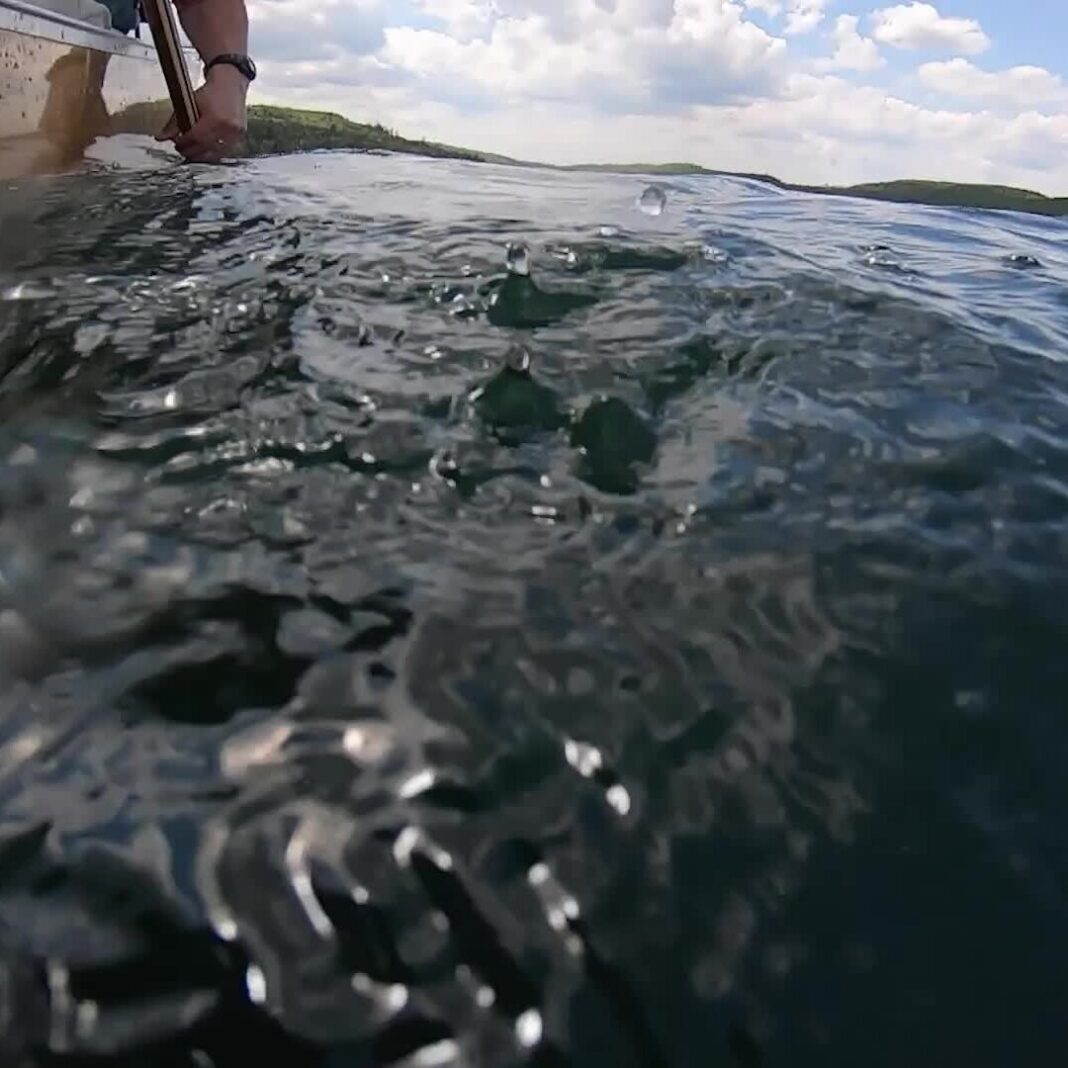
The Boundary Waters spans over one million acres of interconnected lakes and rivers. It is one of the most remote and protected wilderness areas in the United States. Canoeists and paddlers travel there for solitude, wildlife, and unmatched natural beauty.
The proposed mine, located just outside the wilderness boundary, would extract copper and other metals. Opponents argue that toxic runoff from the mine could permanently damage the delicate ecosystem. They point to failed mines elsewhere as a cautionary tale.
Supporters of the mine say it would create jobs and boost the local economy. They emphasize modern mining techniques and strict regulations to prevent environmental harm. The project has divided local communities and drawn national attention.
Paddling through the Boundary Waters offers a firsthand look at what is at stake. Clear water, ancient forests, and the call of loons define the experience. Each portage and campsite connects visitors to a landscape under threat.
The debate over the mine has increased interest in the area. Many people want to see the wilderness before any potential changes occur. Guided trips and rental outfitters report a surge in bookings.
The future of the Boundary Waters remains uncertain. Legal battles and federal reviews will decide the mine’s fate. For now, the waterways offer a powerful reminder of what conservation seeks to protect.