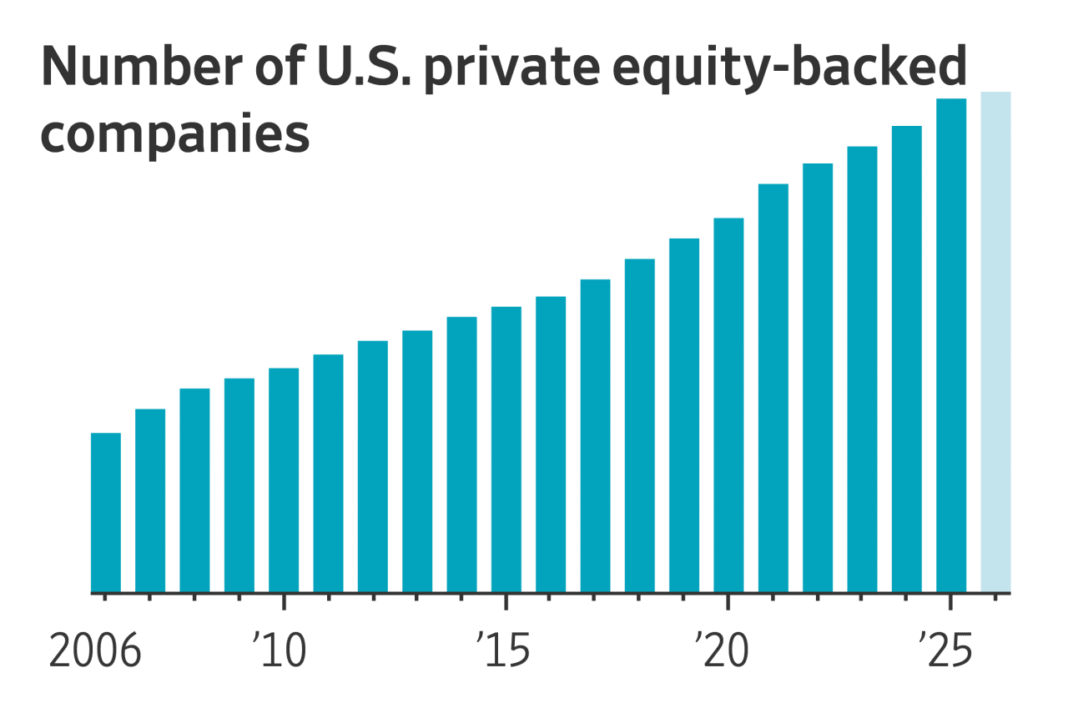
Private-equity firms are now holding a backlog of unsold assets equivalent to nine years of typical exit activity. This growing pileup reflects deepening challenges in selling portfolio companies, particularly in the software sector.
Investor concerns about artificial intelligence are complicating exit strategies for these holdings. Many buyers are hesitant to pay top prices for software firms whose long-term value may be disrupted by AI advancements.
The backlog has reached levels not seen in nearly a decade, signaling a prolonged period of stagnant deal flow. Private-equity managers are struggling to return capital to their limited partners as a result.
Market conditions have shifted significantly since the low-interest-rate environment that fueled rapid acquisitions. Higher borrowing costs and tighter credit markets are now slowing the pace of sales and initial public offerings.
Software companies, once a favored investment for buyout firms, face particular scrutiny today. Potential acquirers are assessing whether existing business models can withstand competition from AI-powered alternatives.
This dynamic is forcing private-equity owners to hold assets longer than planned. Some firms are opting for partial sales or dividend recapitalizations to generate liquidity without full exits.
The logjam poses broader implications for the private-equity industry. Investors may see reduced returns and longer lockup periods if the backlog persists.
Firms are now exploring creative solutions, such as selling stakes to other investment funds. These secondary transactions offer a way to unlock value while maintaining ownership structures.
The nine-year backlog underscores a fundamental shift in how private equity operates. Patience and strategic repositioning are becoming essential tools for navigating this new landscape.