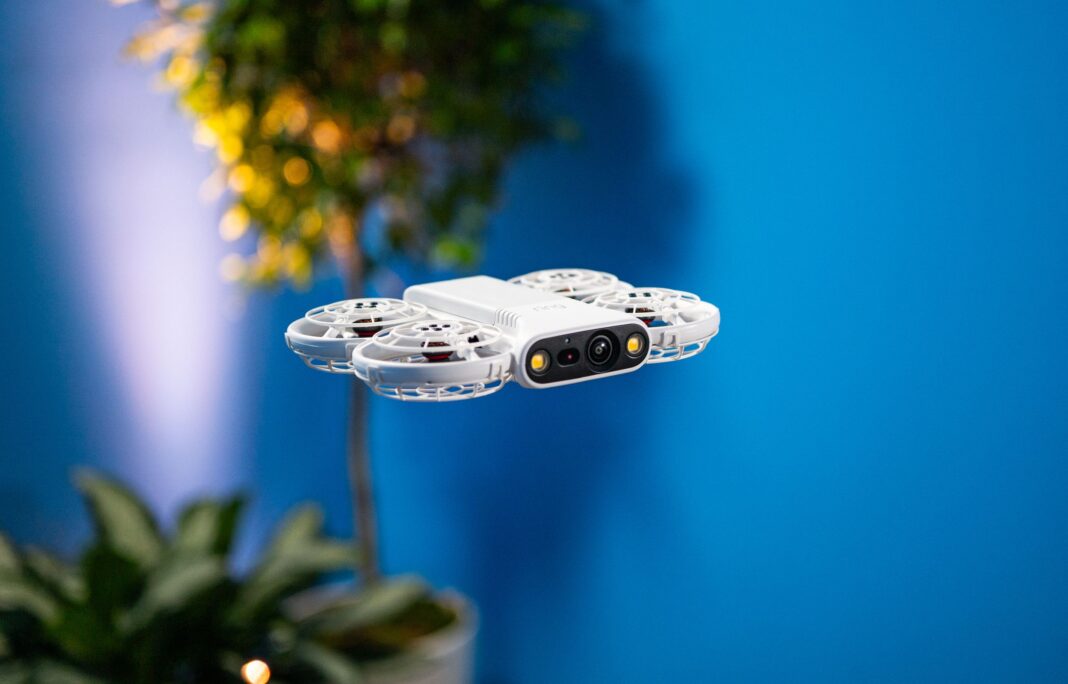
Ring has reintroduced its indoor drone camera, now enhanced with AI capabilities. The device costs $250 and flies around homes to monitor potential threats. It marks a return for Ring’s airborne security concept with smarter software.
The drone camera autonomously patrols indoor spaces using AI-driven navigation. It detects unusual activity and alerts homeowners in real time. The system aims to cover areas fixed cameras often miss.
Ring also unveiled the Rover Cam, a ground-based security device for businesses. It uses hardware from Amazon’s discontinued Astro robot. The Rover Cam rolls through commercial spaces to monitor activity.
Both devices reflect Ring’s push into autonomous security hardware. The drone handles residential surveillance while the Rover Cam targets commercial environments. Each product is designed to operate without constant human control.
The AI component lets the drone identify and respond to movement more precisely. It can distinguish between normal activity and potential security events. This reduces false alerts and improves monitoring accuracy.
The $250 price point positions the drone camera as a mid-range security option. It competes with other smart home monitoring devices on the market. Ring continues to expand its ecosystem beyond traditional doorbells and cameras.
The Rover Cam brings Astro’s underlying technology to a new audience. Amazon discontinued the Astro home robot, but its hardware now serves commercial security. This repurposing extends the life of the original design.
Ring’s latest lineup signals growing interest in mobile security devices. Flying and rolling cameras offer flexibility that stationary units cannot match. The company is betting that autonomous movement will define the next phase of home and business security.