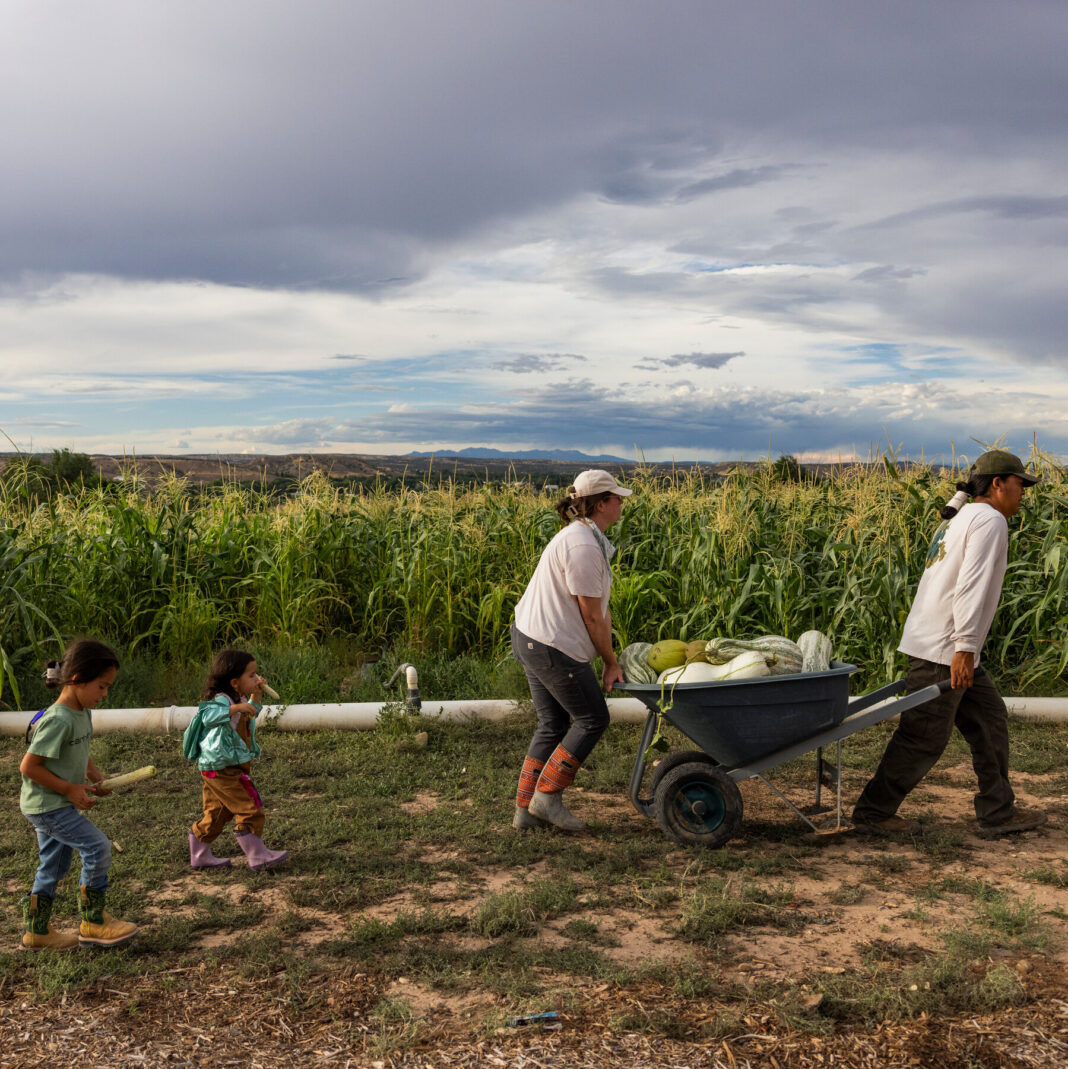
Rural communities are reporting significant delays and denials in accessing essential agricultural services, following the departure of thousands of federal workers from the Agriculture Department. Farmers across the country say they are struggling to secure loans, grants, and technical assistance that were previously routine.
The exodus of personnel has created bottlenecks in processing applications for farm operating loans and disaster relief programs. Many producers now wait weeks longer for approvals, threatening planting and harvest schedules. Some have been forced to seek private financing at higher costs.
Technical support for conservation practices and crop management has also been disrupted. Field offices, once staffed with local experts, are now understaffed or closed. Farmers report difficulty getting answers to basic questions about soil health, water rights, and pest control.
Infrastructure projects, including rural broadband and water system upgrades, face similar setbacks. Applications for federal funding are stalled, and communities are unsure when reviews will resume. Local officials describe a climate of uncertainty for long-term planning.
The departures stem from a broader federal workforce reduction that began earlier this year. The Agriculture Department has not released exact staffing numbers, but internal estimates suggest double-digit percentage losses in several regional offices. Recruiting replacements has been slow, with many positions remaining vacant for months.
Agency spokespeople acknowledge the strain but say the department is prioritizing the most critical services. They point to digital tools and hotlines as alternatives, though farmers and rural advocates argue these do not substitute for in-person support. Many report long wait times and generic responses.
The impact extends beyond individual farms. Local economies, reliant on agricultural activity, are feeling the ripple effects. Grain elevators, equipment dealers, and input suppliers all depend on a functioning federal pipeline for credit and support. When that pipeline breaks, the entire supply chain suffers.
Lawmakers from agricultural states have pressed the department for a recovery plan. Some propose rehiring former staff on temporary contracts, while others call for a restructuring of service delivery. No definitive action has been announced, leaving farmers to navigate the current gaps on their own.
For now, producers are adapting by sharing resources and leaning on private consultants. But many warn that repeated setbacks could push smaller operations out of business entirely. The coming harvest season will test how well the system holds up under the current strain.