A growing number of secular travelers are seeking out sacred spaces traditionally associated with religious pilgrimage. Burnout and a search for meaning are driving this shift, according to travel experts. These journeys offer stillness and renewal without requiring any religious commitment.
Ancient walking routes have seen a notable rise in nonreligious participants in recent years. Routes once reserved for the faithful now attract hikers seeking clarity and distance from daily pressures. The physical demands of long walks appeal to those looking to disconnect from digital life.
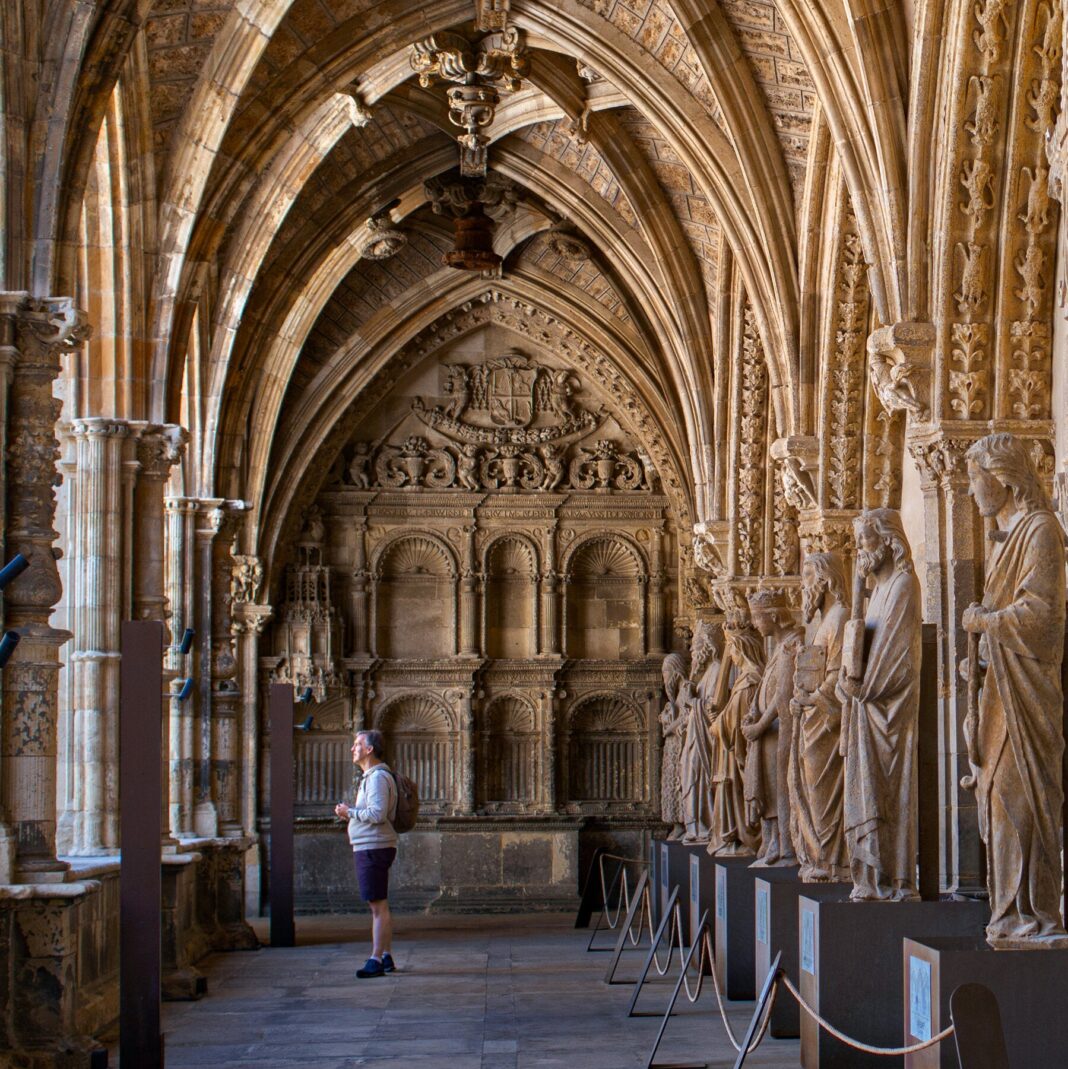
Hidden cloisters and monasteries increasingly welcome guests with no religious affiliation. Many offer quiet lodging and structured routines centered on rest rather than worship. Visitors report that the absence of obligations makes the experience more accessible.
The trend reflects broader changes in how people approach wellness and personal reflection. Travelers describe these trips as a form of mental reset rather than a spiritual quest. The appeal lies in simplicity, silence, and a slower pace.
Sacred sites are adapting by offering secular programming alongside traditional services. Some cloisters now host guided walks and contemplative sessions open to all backgrounds. These offerings focus on mindfulness and restoration instead of doctrine.
The motivations behind these journeys vary widely among travelers. Some seek solitude after major life changes, while others simply want a break from burnout. Many find that the setting itself provides comfort without demanding belief.
Travel industry observers note that the market for reflective travel continues to expand. Operators are responding with packages that blend cultural exploration with quiet retreats. The focus remains on personal renewal, not religious conversion.