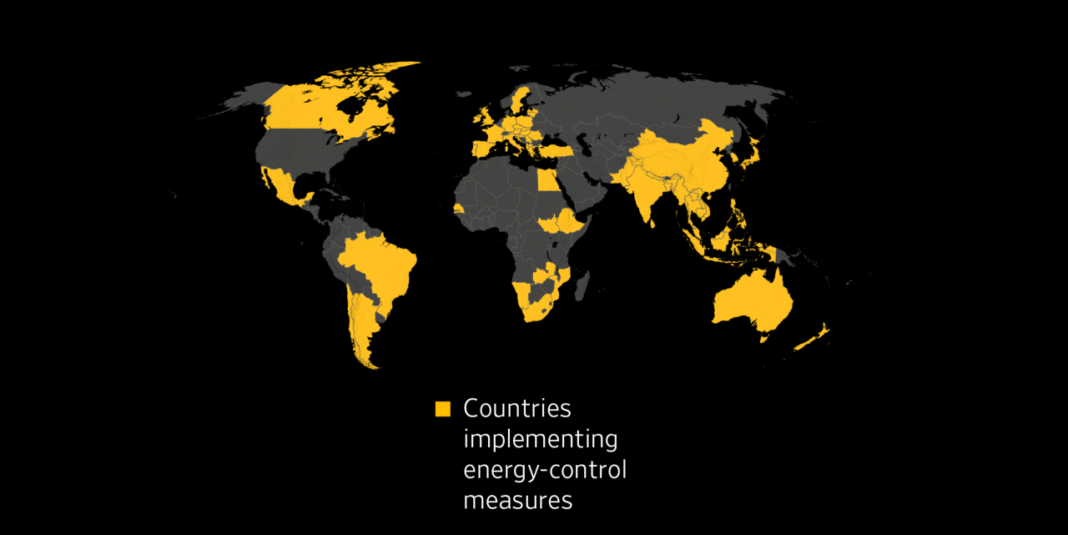
The global energy crisis is intensifying, affecting nations far beyond the initial flashpoints of conflict. Countries heavily reliant on energy imports are now bearing the brunt of supply disruptions and soaring prices.
In a war between major oil exporters, the economic fallout is cascading across continents. Governments are scrambling to secure fuel reserves as crude costs climb to multi-year highs.
Many developing nations face mounting pressure on their budgets and currencies. Higher energy bills are straining household incomes, forcing families to cut spending on other essentials across Europe, Asia, and Africa.
Industries from manufacturing to transportation are feeling the squeeze. Factories are reducing output, and supply chains face further delays as fuel costs erode profit margins.
The crisis is not limited to oil alone. Natural gas prices have surged, impacting electricity generation and heating costs in regions dependent on imports, such as parts of South America and South Asia.
Policy responses vary widely among affected countries. Some are implementing price caps or subsidies, while others are tapping strategic reserves to stabilize markets and prevent shortages.
Long-term shifts toward renewable energy sources are gaining momentum as a result. Governments are accelerating investments in solar, wind, and nuclear power to reduce future vulnerability to global price swings.
The spreading crisis underscores the interconnected nature of modern energy markets. Events in one region can ripple outward, reshaping economic stability for import-dependent nations worldwide.