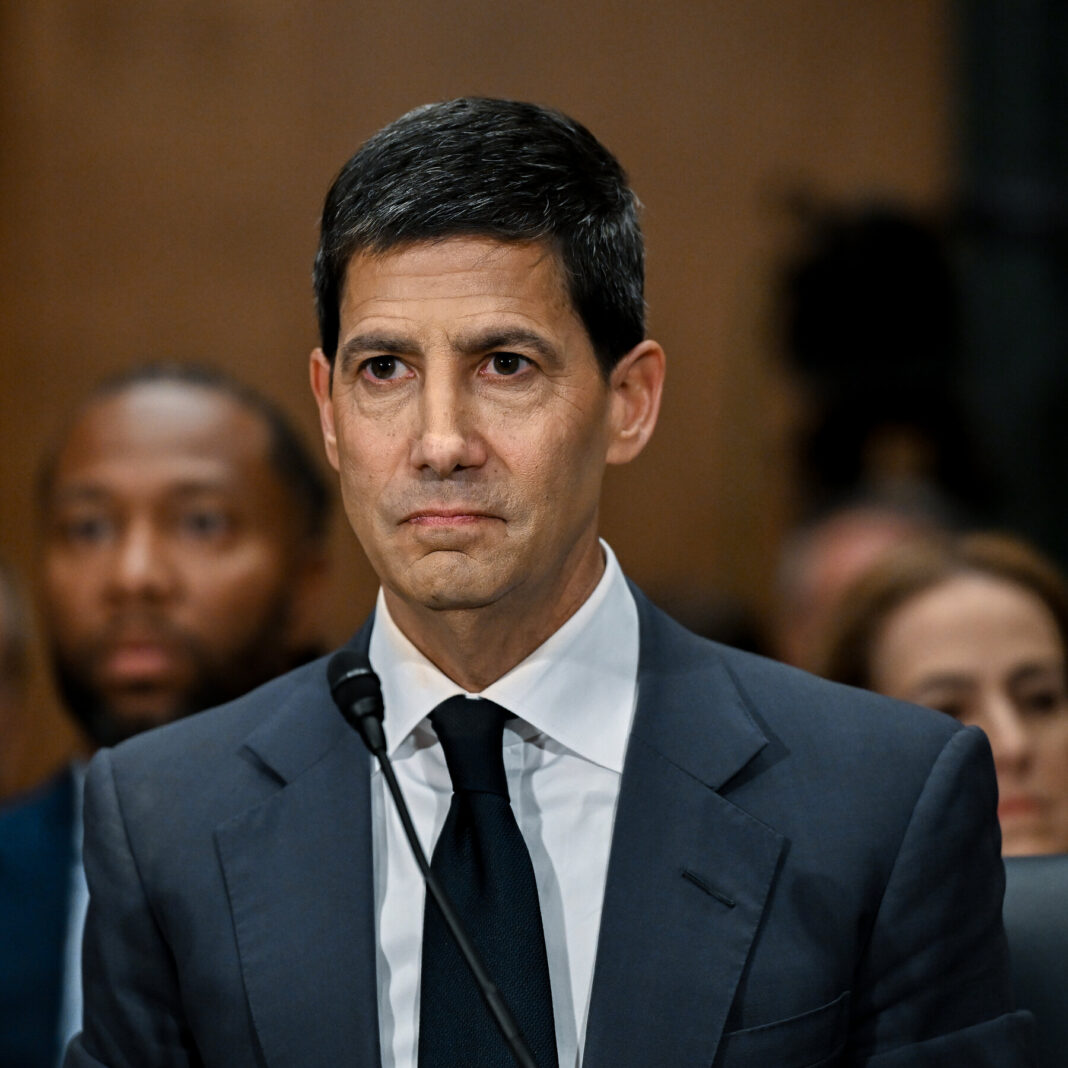
The Senate confirmed Kevin Warsh as the next chair of the Federal Reserve on Wednesday. He will replace Jerome H. Powell at a time of significant economic uncertainty.
The vote passed largely along party lines. Supporters cited Warsh’s experience and market knowledge as key assets.
Warsh now takes charge of the central bank amid growing trade tensions and volatile financial markets. His appointment comes with heightened scrutiny over the Fed’s independence from political influence.
Critics voiced concerns about Warsh’s close ties to the Trump administration. They worry the Fed could face pressure to prioritize short-term political goals over long-term economic stability.
Warsh previously served as a Fed governor from 2006 to 2011. He was a key architect of early responses to the 2008 financial crisis.
In his confirmation hearings, Warsh stressed his commitment to data-driven policy. He avoided direct comments on the current administration’s economic agenda.
The new chair inherits a complex landscape. Inflation remains above the Fed’s target, while global growth shows signs of slowing.
Analysts expect Warsh to maintain the current gradual approach to interest rate adjustments. Markets have reacted cautiously to his confirmation, with slight gains in bond yields.
Warsh’s leadership will test the Fed’s institutional credibility. His decisions will shape the economic outlook for the remainder of the decade.