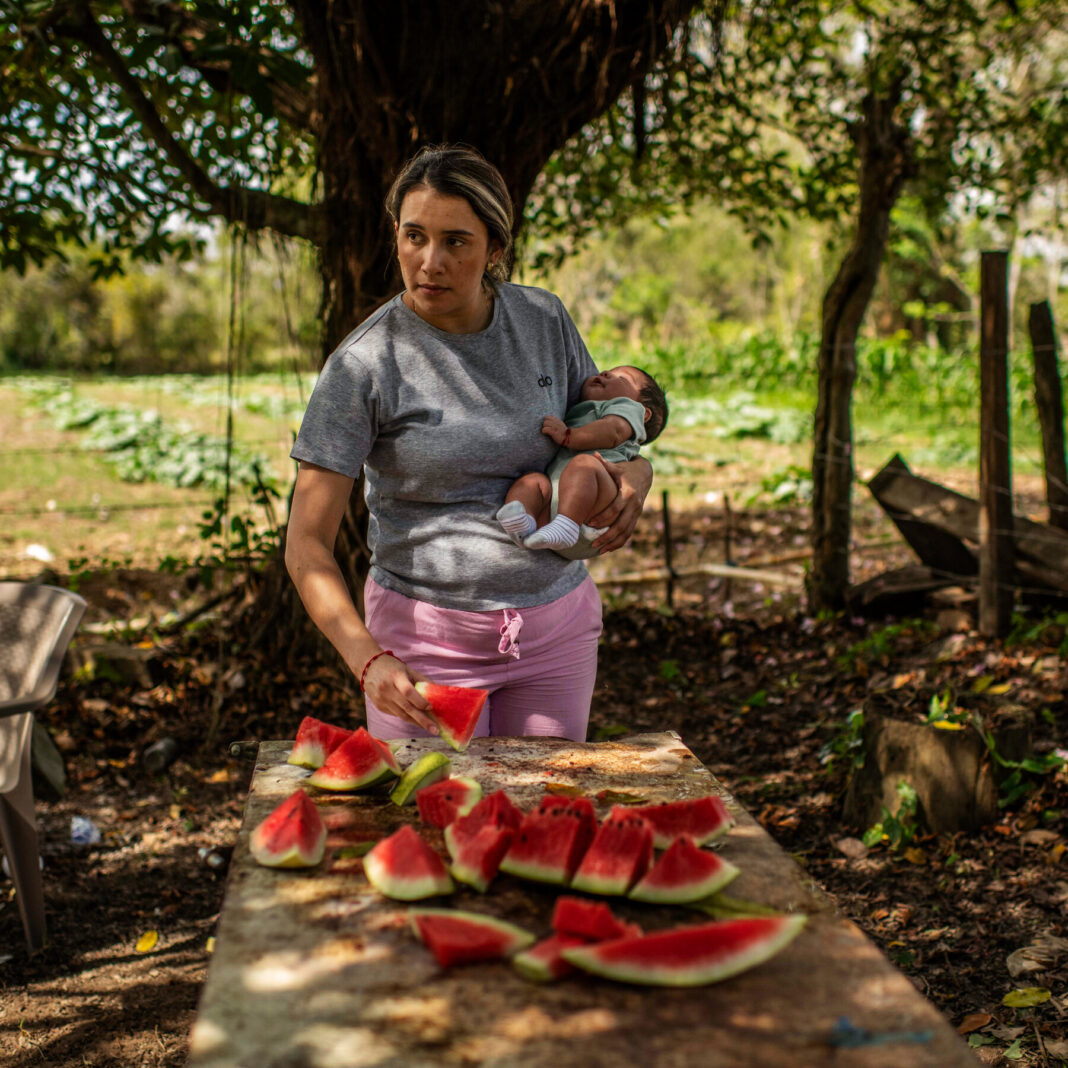
Diana Acosta Verde entered the United States without authorization while six months pregnant. She later gave birth in an American hospital. Federal immigration authorities then required her to return to a detention facility.
Her newborn child remained at the hospital. This action resulted in the immediate separation of mother and infant. The case highlights ongoing practices within the immigration enforcement system.
Such separations occur under specific detention protocols. Officials cite legal and procedural requirements for these actions. The policy continues to draw significant scrutiny and legal challenges.
Advocates argue the practice causes profound trauma. They emphasize the critical bonding period between a mother and a newborn. Medical and human rights groups have consistently condemned the separations.
The government maintains its actions are within the law. Officials state the priority is to process individuals according to established regulations. They assert that all detainees receive mandated care.
This incident underscores a persistent national debate. It revolves around border security, humanitarian concerns, and administrative procedures. Similar cases have previously sparked widespread public outcry.
The long-term effects on families remain a central concern. Policy discussions continue to evaluate the balance between enforcement and welfare. The outcome of such cases often influences broader immigration discourse.