The Social Security Administration’s largest employee union is demanding a $3 billion budget increase and the hiring of 20,000 additional workers to address a growing crisis of long wait times and understaffed field offices. The union warns that without immediate funding, public access to critical benefits will continue to deteriorate.
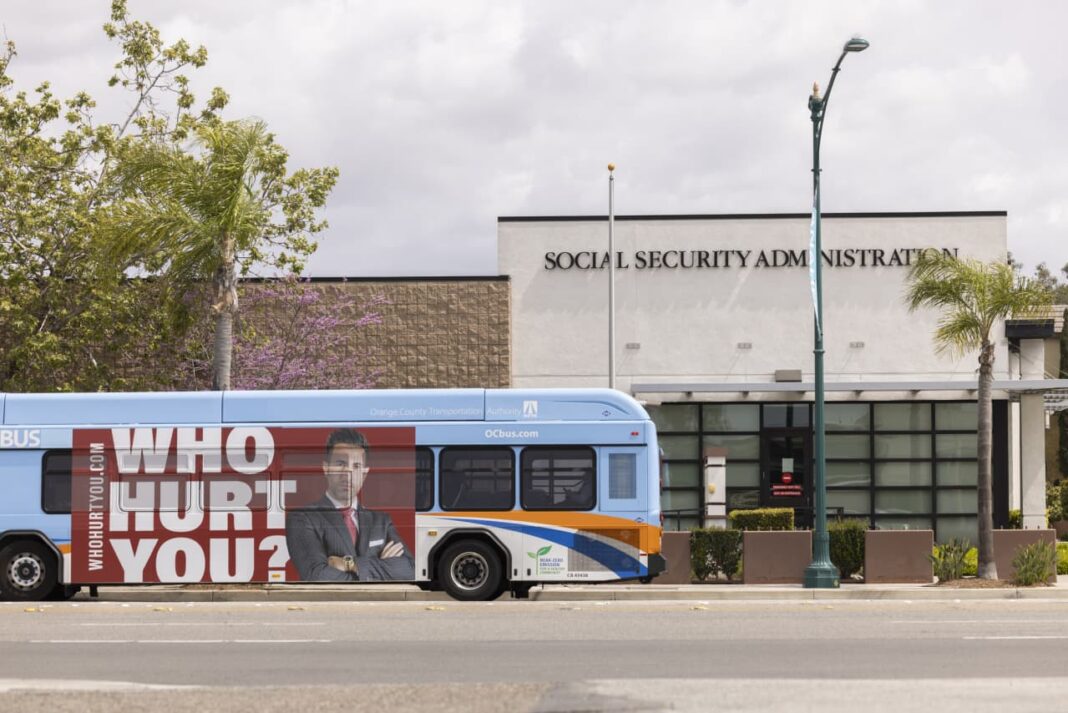
Union officials describe a network of “ghost offices” where physical locations remain open but are severely understaffed, leaving many visitors unable to secure in-person appointments. This staffing shortage has pushed phone wait times to record highs, with some callers reporting waits of several hours or longer.
The funding request comes as the agency faces an unprecedented surge in demand, driven by an aging population and an increase in new benefit applications. Union leaders argue that the current workforce is stretched too thin to process claims efficiently, leading to costly delays for retirees, disabled individuals, and survivors.
A union spokesperson stated that the backlog is not merely an inconvenience but a direct threat to the financial stability of millions of Americans. “The public is going to have a harder and harder time accessing these benefits,” the official warned, emphasizing the urgency of congressional action.
The proposed $3 billion allocation would go toward modernizing outdated technology, reopening full-service hours, and expanding remote service capacity. Union leaders stress that these investments are essential to restoring the agency’s core mission of providing reliable and timely support.
Critics within the administration have questioned the feasibility of such a large hiring surge, citing budget constraints and a tight labor market. However, union representatives counter that the cost of inaction is far higher, as backlogs lead to appeals, litigation, and financial hardship for beneficiaries.
The union plans to bring its demands directly to Congress in the coming weeks, urging lawmakers to prioritize the agency in the next federal budget. Without decisive intervention, officials argue, the Social Security system risks becoming increasingly inaccessible to the very people it was designed to protect.