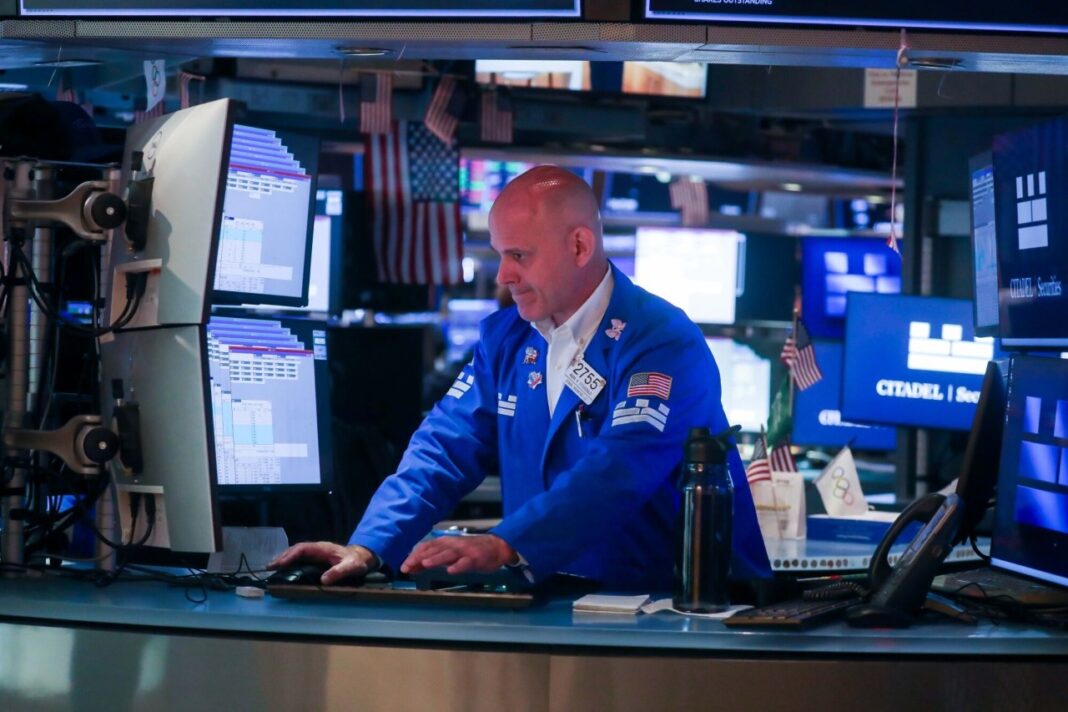
U.S. stocks closed at record highs on Wednesday after new inflation data raised expectations for Federal Reserve interest-rate cuts later this year. The broad rally pushed the S&P 500 and the Nasdaq Composite to fresh closing peaks. Investors welcomed the latest consumer price index report, which showed cooling price pressures for the first time in four months.
The Labor Department reported that headline inflation rose 2.9% in June from a year earlier, down from 3.3% in May. Core inflation, which excludes volatile food and energy costs, also eased to 3.3% from 3.4%. The softer figures suggested that the Fed’s campaign of higher borrowing costs is beginning to take hold. Traders responded by increasing bets on a rate cut as soon as September.
The Dow Jones Industrial Average also gained ground, though it lagged the other major indexes. Market breadth was positive, with advancing stocks outnumbering decliners across the New York Stock Exchange and the Nasdaq. Sectors tied to consumer spending and technology led the way higher. Meanwhile, Treasury yields fell, with the benchmark 10-year note slipping to its lowest level in several weeks.
In corporate news, Tapestry, the parent company of Coach and Kate Spade, saw its shares tumble after the fashion retailer issued a weak annual forecast. The company cited cautious consumer spending in North America and China, which pressured its outlook for the coming quarters. Tapestry’s stock dropped by double digits, making it one of the worst performers in the S&P 500 on the day.
Workday, the enterprise software firm, took the opposite direction and soared after the company raised its subscription revenue guidance for the full fiscal year. The upbeat outlook signaled resilient demand for its human resources and finance cloud applications. Shares of Workday jumped more than 10%, giving a boost to the broader software sector.
The mixed earnings results highlight a diverging picture for corporate America. While some companies benefit from steady demand and pricing power, others grapple with squeezed budgets among consumers and businesses. Analysts noted that the upcoming second-quarter reporting season will likely provide clearer signals on the health of the economy.
Looking ahead, investors are now focused on upcoming retail sales data and remarks from Fed officials for further clues on the path of monetary policy. The combination of easing inflation and a resilient labor market has fueled optimism for a soft landing. Still, some strategists cautioned that the market’s high valuation leaves little room for disappointment.