Reopening the Strait of Hormuz would provide some relief to global oil markets. However, the impact on prices and supply would be limited initially. A full return to normal operations will take time.
Energy and shipping companies remain cautious. Analysts note these firms are reluctant to fully restore operations immediately. They require confidence that regional hostilities have permanently ceased.
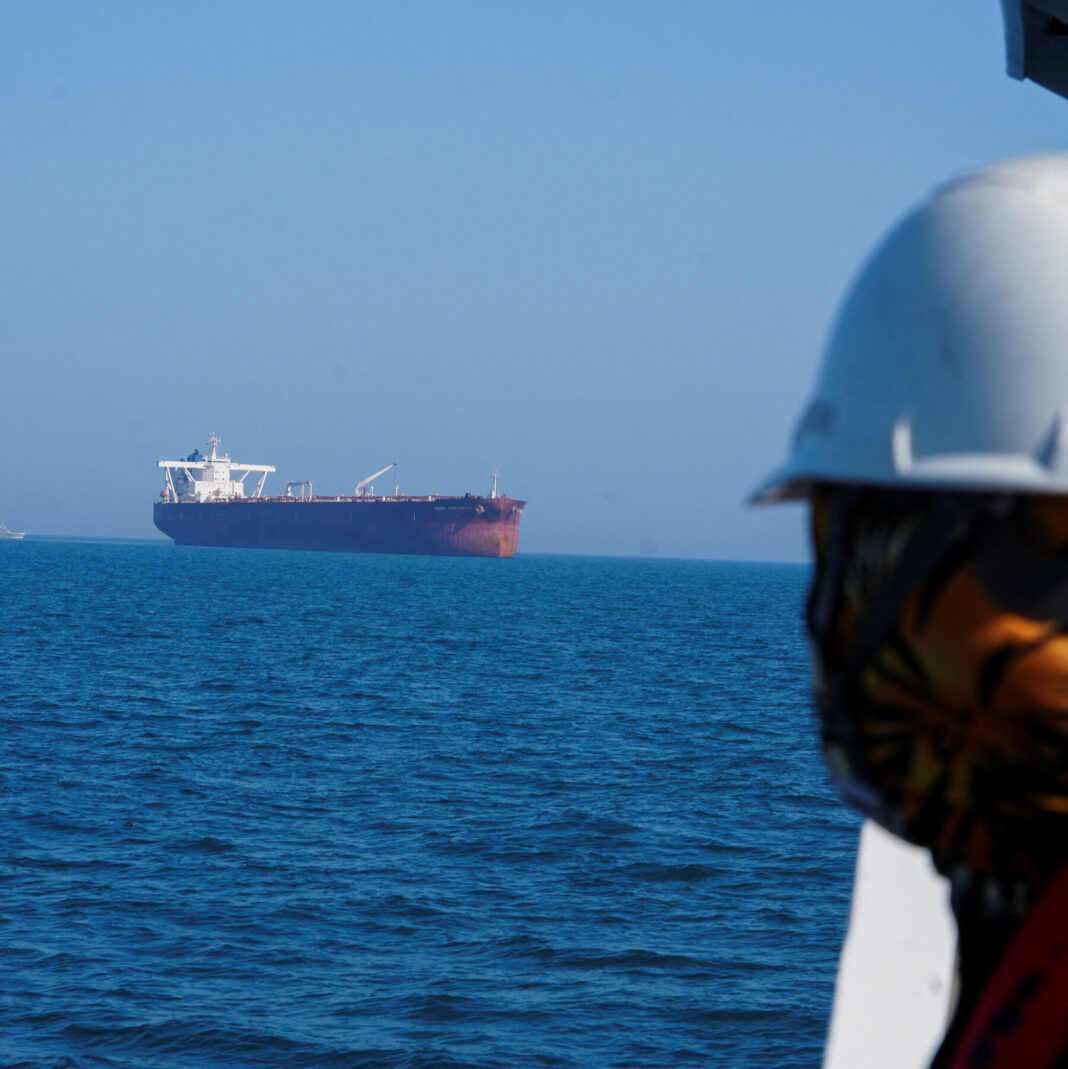
This hesitation stems from significant recent disruptions. Attacks on shipping have caused major delays and insurance costs to soar. Companies must assess the lasting security of the vital waterway.
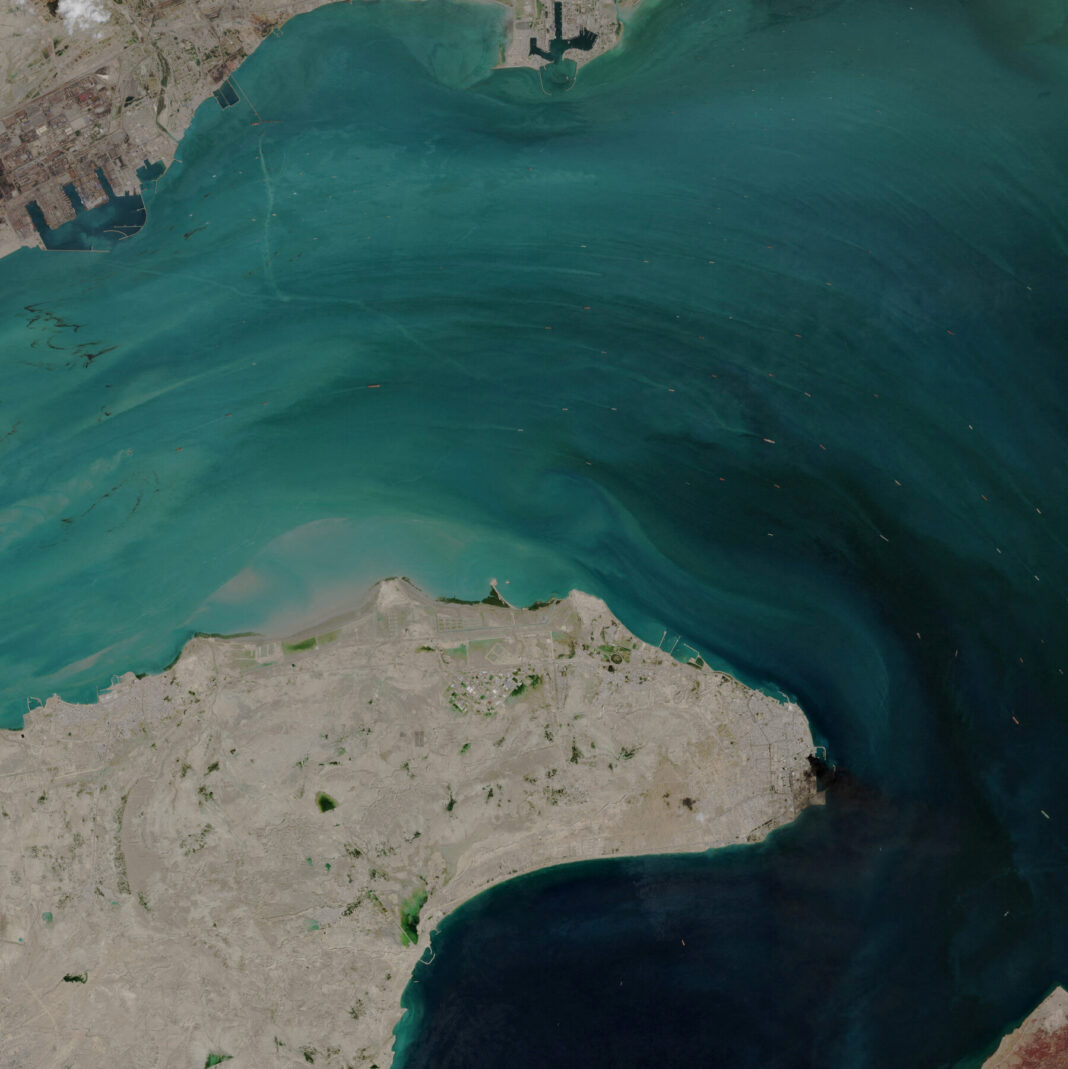
The strait is a crucial chokepoint for global energy. Roughly one-fifth of the world’s oil supply passes through it. Any prolonged closure risks severe market volatility and price spikes.
Even with a reopening, the logistical backlog will be considerable. Hundreds of vessels have been rerouted on longer, costlier journeys. Untangling this congestion cannot happen overnight.
Market stability depends on more than just open waterways. Geopolitical tensions and production decisions by major oil exporters remain key factors. These elements will continue influencing prices.
Ultimately, a reopening is a necessary first step toward easing the crisis. Yet the energy industry’s wariness underscores a fragile situation. True market recovery requires sustained peace and security.