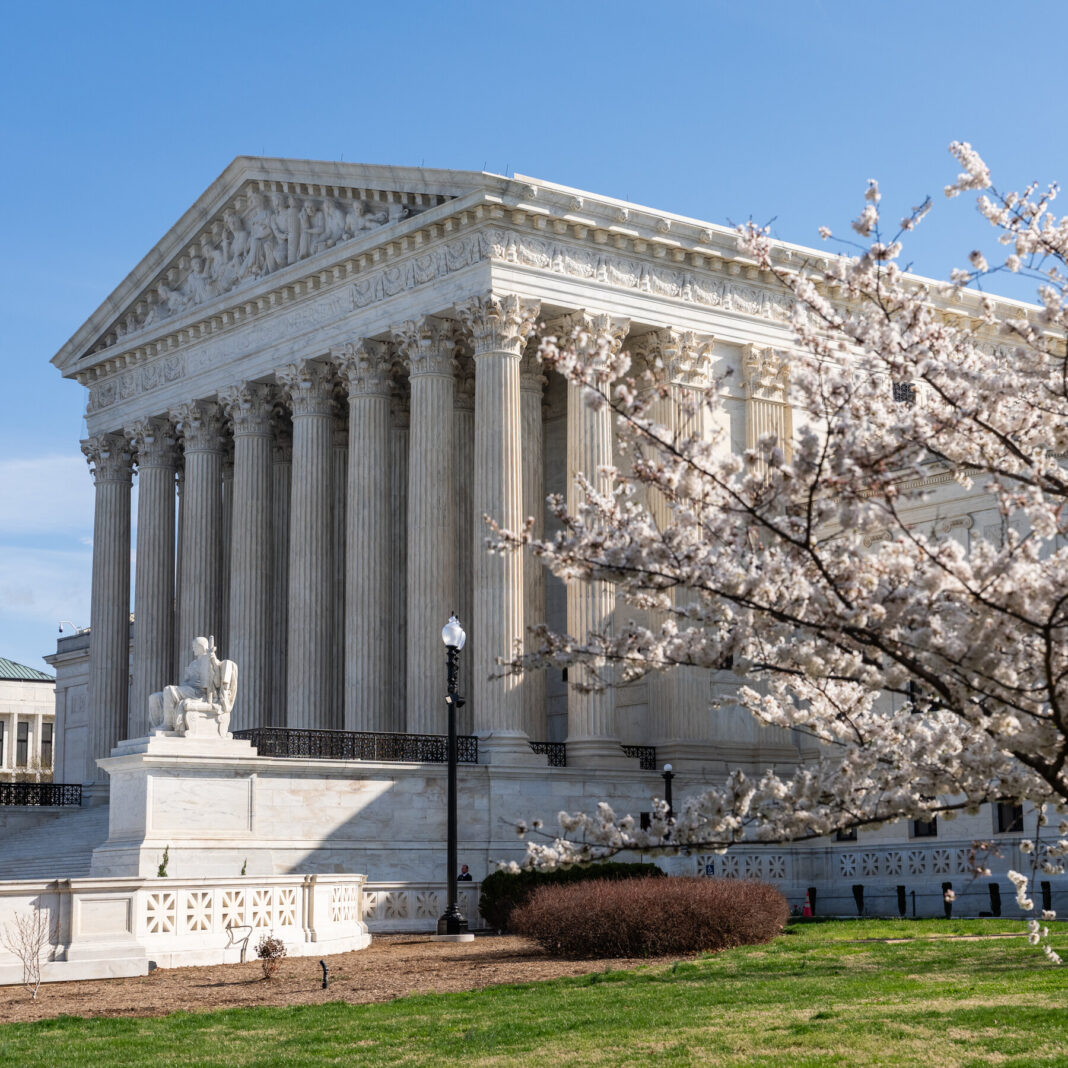
The Supreme Court declined to intervene in a Virginia redistricting dispute on Friday, rejecting a request from state Democrats to reinstate a newly drawn congressional map. State officials had asked the justices to permit use of the map in the upcoming midterm elections. The map was crafted by Democratic lawmakers and had recently been approved by voters.
The decision leaves in place a lower court ruling that blocked the map. That court found the Democratic-drawn boundaries violated constitutional requirements for equal population distribution. The ruling marked a significant setback for Virginia Democrats, who had hoped the map would strengthen their party’s chances in the 2026 elections.
The rejected map was the result of a partisan process, raising concerns about fairness and representation. Critics argued the boundaries unfairly favored Democratic candidates by packing Republican voters into fewer districts. Supporters of the map maintained it reflected population shifts and community interests.
The Supreme Court’s denial means the state must now revert to using a court-ordered map for the midterms. That map was drawn by a special master appointed by a federal judge. It is expected to produce more competitive districts, potentially benefiting both parties.
The case highlights ongoing tensions over redistricting across the country. Many states face similar legal battles as partisan lines are redrawn following the 2020 census. The Virginia ruling could influence other redistricting challenges pending in federal courts.
Legal experts noted the Supreme Court’s action was procedural and did not address the merits of the case. The justices offered no explanation for their decision, which is typical in such emergency appeals. The dispute may return to the court if further legal challenges arise.
For now, Virginia voters will head to the polls in November under a map not chosen by their elected representatives. The outcome underscores the complex role the judiciary plays in shaping electoral boundaries. Both parties are expected to continue pressing their cases in lower courts.