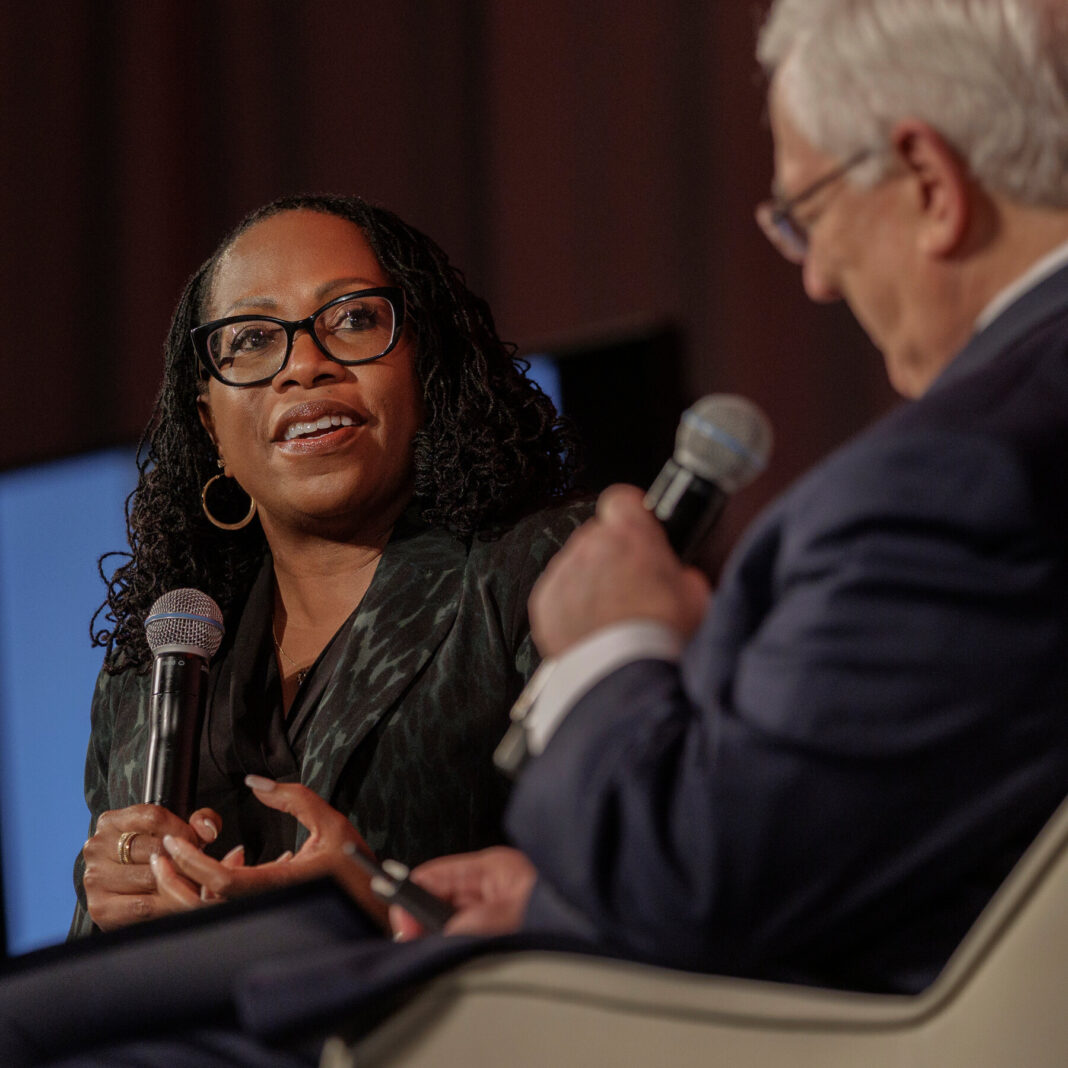
Justices are showing signs of strain as the Supreme Court faces increased public scrutiny. Travelling across the country, members of the court are defending its role in American democracy. Behind the scenes, however, tensions are becoming more visible.
Written opinions have revealed sharper disagreements between the justices. Personal remarks during public appearances have also hinted at frayed relationships. The court’s internal dynamics are shifting under ongoing political pressure.
Recent decisions have placed the institution in the national spotlight. Critics question the court’s independence and credibility. Supporters argue it remains a crucial check on political branches.
The justices themselves are not immune to the broader partisan climate. Their public statements often walk a fine line between advocacy and neutrality. This balancing act has proven difficult for some.
Observers note a decline in collegiality among the nine members. Historic norms of mutual respect appear to be eroding. This change is reflected in the tone of legal opinions and oral arguments.
Public trust in the court has fallen in recent years. Polls show a growing number of Americans view the institution as political. The justices are aware of this perception and are addressing it directly.
Some justices have spoken about the importance of judicial independence. Others have acknowledged the challenges of maintaining unity. These remarks reveal a court grappling with its identity.
External events, such as protests and legislative actions, continue to influence the court’s work. The justices face pressure from both sides of the political spectrum. Navigating this environment requires careful diplomacy.
The court’s ability to function effectively is now under question. Its long-term reputation may depend on restoring internal harmony. For now, strains remain evident to those watching closely.