The Supreme Court dealt a significant blow to the Voting Rights Act on Wednesday, ruling that a key section of the landmark law is no longer necessary. The majority opinion argued the law had become a victim of its own success in combating racial discrimination. The decision marks a major shift in federal voting protections.
The Court’s conservative majority determined that the formula used to decide which states and localities require federal oversight is outdated. The justices stated the law’s original basis, rooted in decades-old data, no longer reflects modern voting conditions. This effectively invalidates the most powerful enforcement tool of the Voting Rights Act.
Dissenters on the Court sharply disagreed, arguing that Congress, not the judiciary, should determine the law’s future. They contended that the majority had overstepped its authority by substituting its judgment for that of lawmakers. The dissent warned that the ruling would unleash new waves of voter suppression.
Chief Justice John Roberts, writing for the majority, emphasized that racial progress has been made since the 1960s. He argued that the law’s preclearance system, which required certain states to get federal approval before changing voting laws, was too intrusive. The ruling suggests that past discrimination no longer justifies special federal oversight.
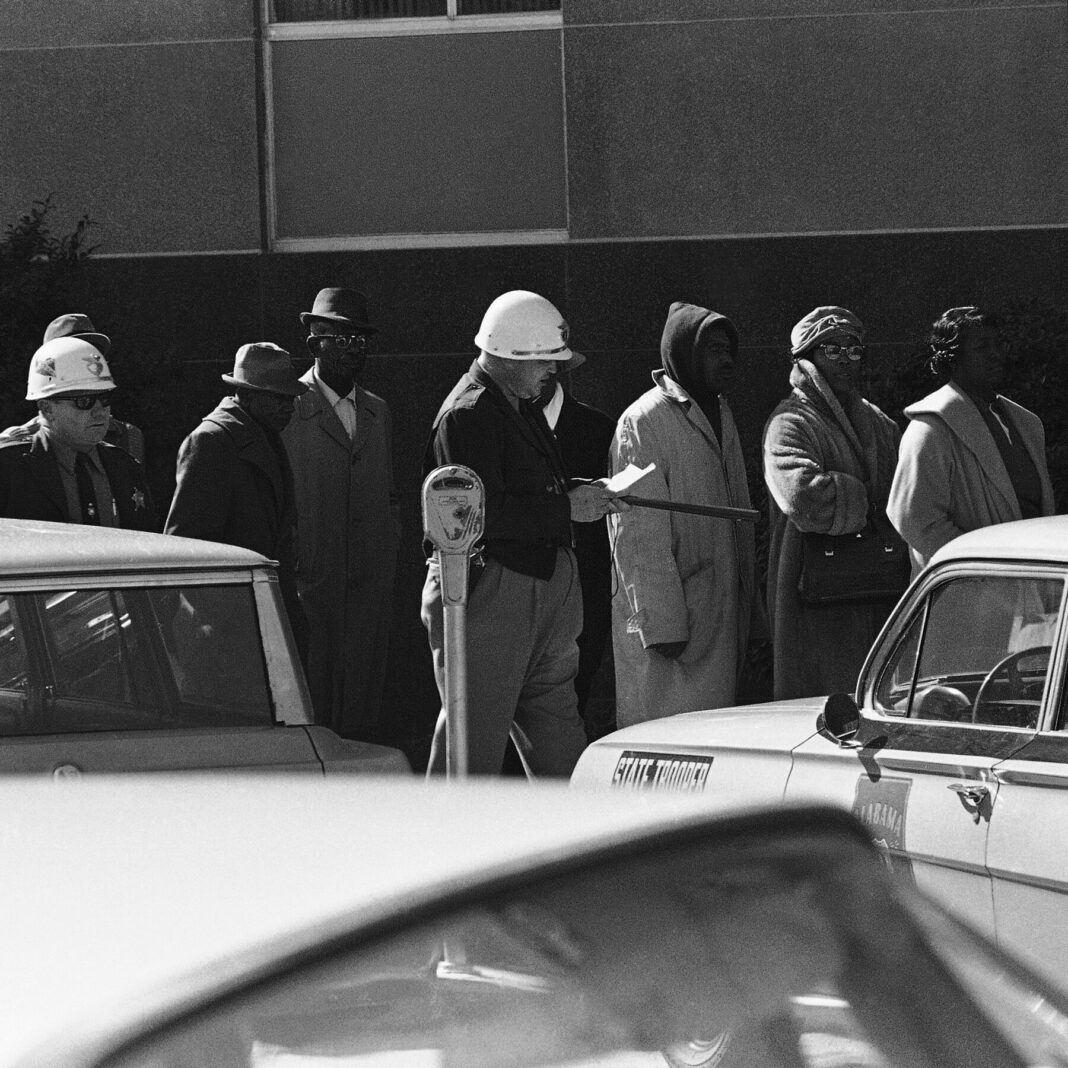
The decision immediately impacts states like Alabama, Texas, and Georgia, which were previously subject to stricter federal scrutiny. These states can now change voting laws without prior federal approval. Civil rights groups have already pledged to challenge the ruling in future legal battles.
Congressional Democrats quickly condemned the ruling, promising to draft a new formula for federal oversight. Republicans, however, welcomed the decision as a return to states’ rights. The fight over voting access is likely to intensify ahead of upcoming election cycles.
This ruling reflects a broader shift in the Court’s approach to civil rights law. It prioritizes current conditions over historical patterns of discrimination. The legal landscape for voting rights has fundamentally changed, with the burden now on Congress to act or accept a lessened federal role.